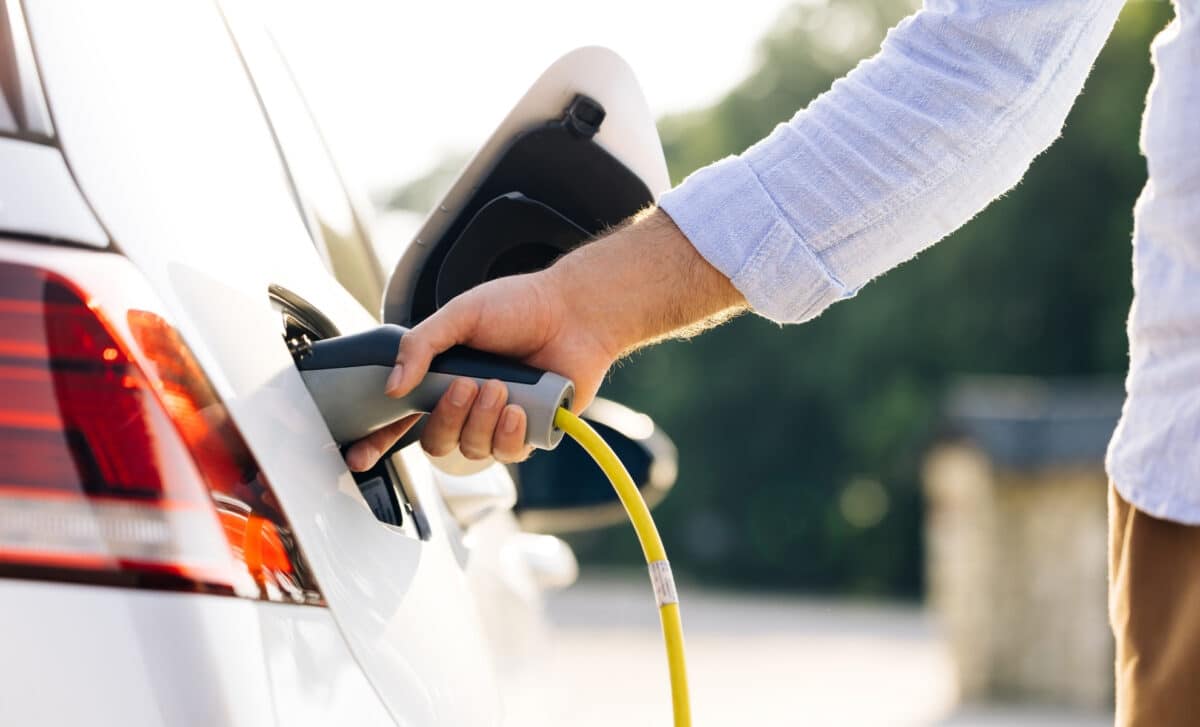
This shift is not simply a matter of consumer sentiment. It is being tracked in real time through search behavior on major automotive platforms, and the numbers tell a clear story: when fuel prices spike, interest in electrified alternatives follows. The question is whether the market, both in terms of available vehicles and household finances, is actually in a position to meet that demand.
The broader picture is one of compounding pressures. Drivers are not only facing higher costs at the pump. They are doing so in a car market already characterized by elevated vehicle prices, rising loan amounts, and limited trade-in flexibility. For many Americans, switching to an electric vehicle is not simply a matter of preference; it is a financial calculation with no obvious good answer.
A Measurable Shift in Search Behavior
According to Edmunds, the share of searches for electrified vehicles on its car-shopping platform climbed from 20.7% of all searches at the end of February to 22.4% during the week of March 2, with most of the gain driven specifically by full EV queries rather than hybrids.
The company noted that this pattern closely mirrors what happened during Russia’s initial invasion of Ukraine in early 2022, when electrified vehicle research queries rose from 17.5% to 25.1% of overall searches within a single month. The parallel is striking, and it suggests that geopolitical shocks to oil supply reliably translate into renewed consumer interest in alternatives to gasoline.
The effect of the Iranian conflict on oil prices is not limited to the United States. Japan and South Korea have both taken active measures to try to keep fuel costs manageable for their populations, reflecting just how broadly the disruption has rippled across global energy markets.

A Used EV Market With Real Opportunities, and Real Limits
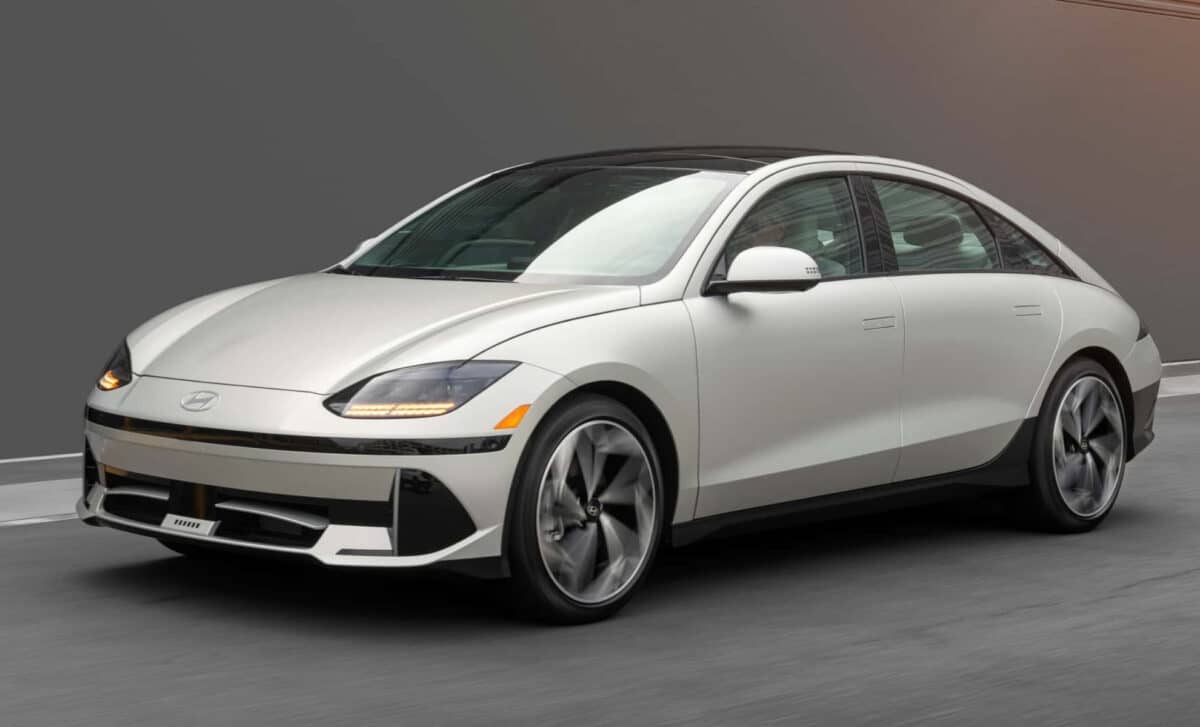
For consumers who are financially positioned to act, the used electric vehicle market currently presents some genuine value. As reported by InsideEVs, models like the Hyundai Ioniq 6 represent strong deals, and more used inventory is expected to arrive on the market in the near term as lease agreements expire and off-lease vehicles filter through to dealerships. Used Tesla prices have crept upward, but the vast majority of used EVs remain, in the outlet’s words, remarkably cheap.
The problem is that not every driver can take advantage of this. According to Edmunds, conditions are actually worse now than they were during the 2022 oil spike. There is a shortage of affordable vehicles across the board, average transaction prices and financed amounts have continued to rise, and many owners would face significant losses on their trade-ins if they tried to move out of a less fuel-efficient car. For a large share of the driving public, high gas prices are simply an additional expense they have no practical way to avoid.
Automaker Hesitation Leaves Gaps at a Critical Moment
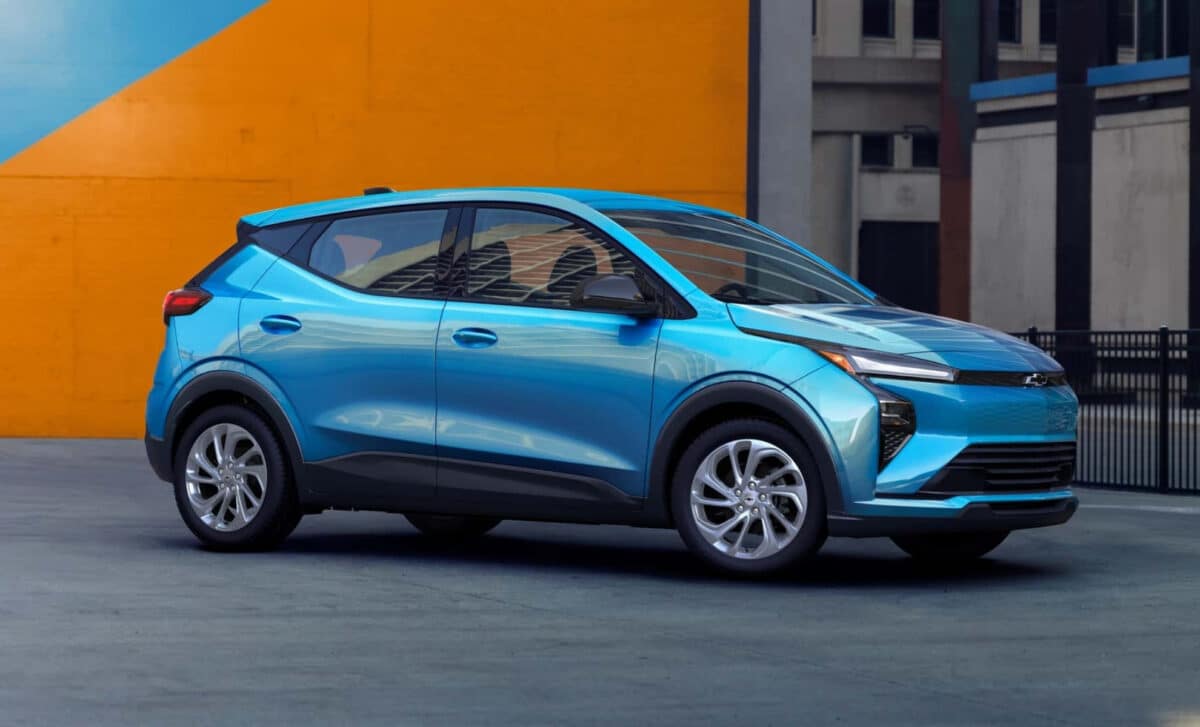
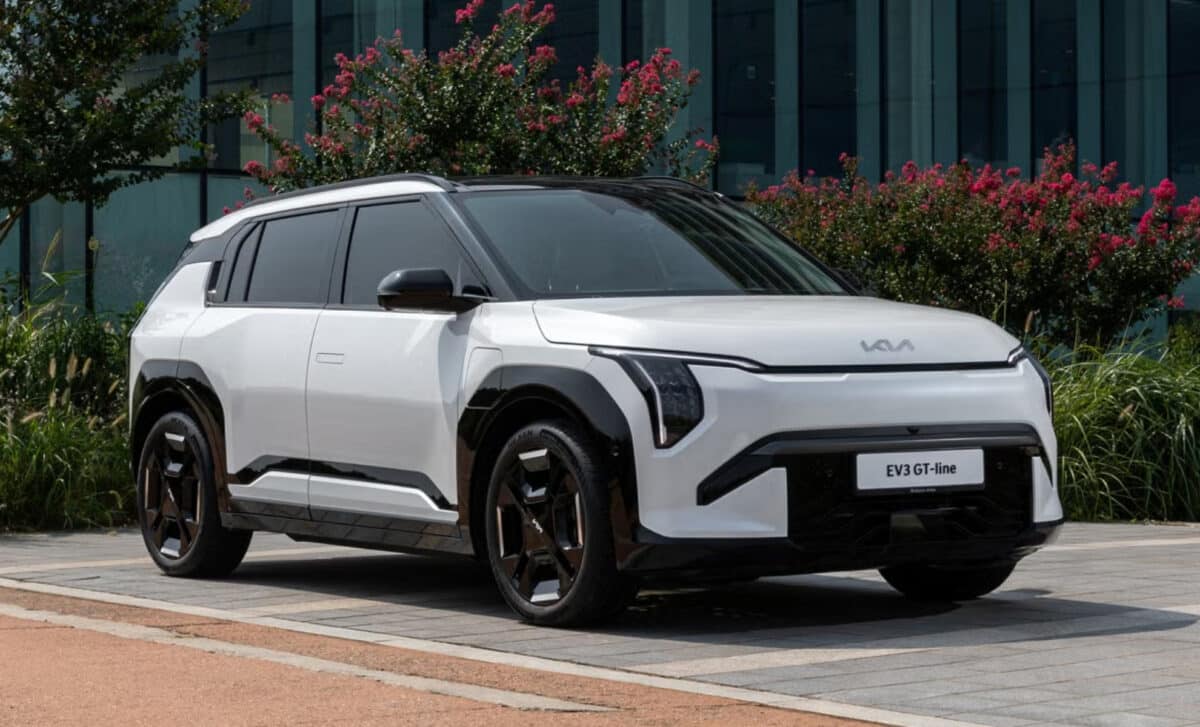
On the new vehicle side, the options for buyers seeking an affordable EV are narrower than they might be. The Chevrolet Bolt and the Nissan Leaf are among the lower-priced models available, though both come with caveats: the Bolt’s time on the market is limited, and the cheaper variant of the Leaf is indefinitely on hold. Models like the Kia EV3 and EV4, which could have served demand at the more accessible end of the market, have been postponed with no clear path to U.S. sales confirmed.
InsideEVs describes this situation as a structural failure, driven by wavering commitments from automakers and an overall lack of support from the U.S. government, arriving at precisely the moment when more consumers than ever are actively searching for electric alternatives. How the situation ultimately resolves depends heavily on the trajectory of the Iranian conflict itself.
Some experts have suggested oil could reach levels last seen during the 2008 recession, around $140 per barrel, though prices have already pulled back from their peak during the current crisis. As InsideEVs notes, if gas prices remain elevated, demand for EVs, both new and used, can be expected to grow.