
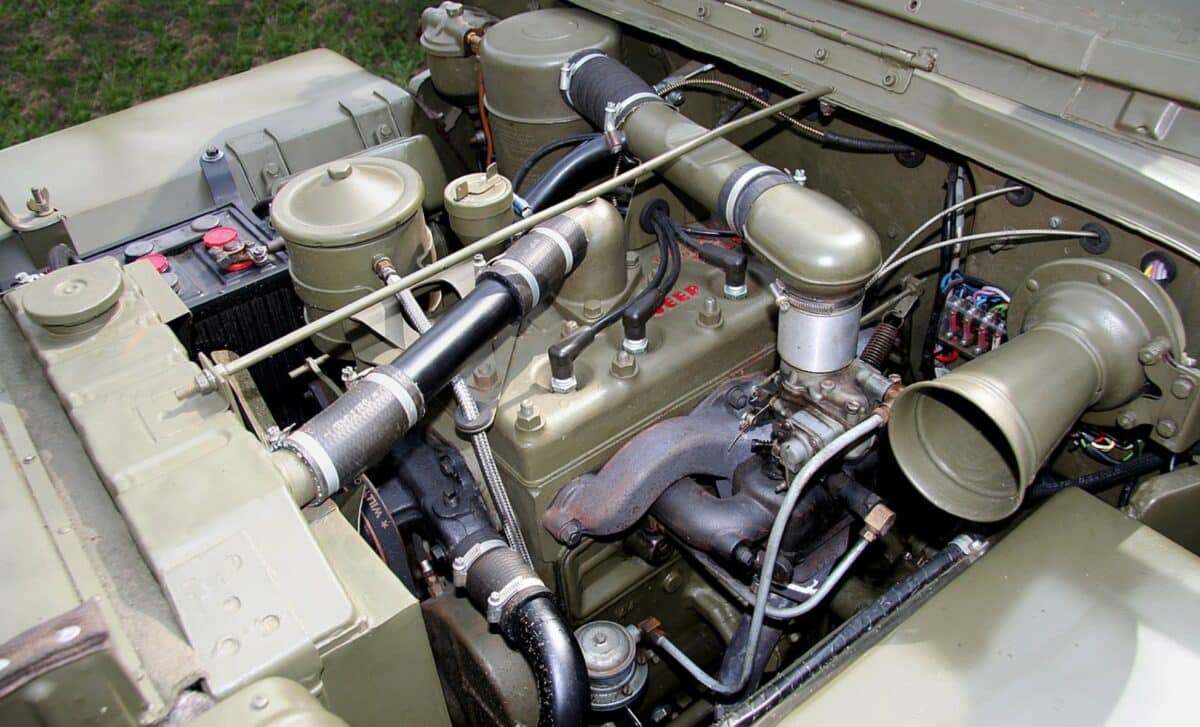
World War II saw many remarkable innovations, but one of the most iconic and crucial contributions to the Allied war effort came from an unexpected source: a simple four-cylinder engine.
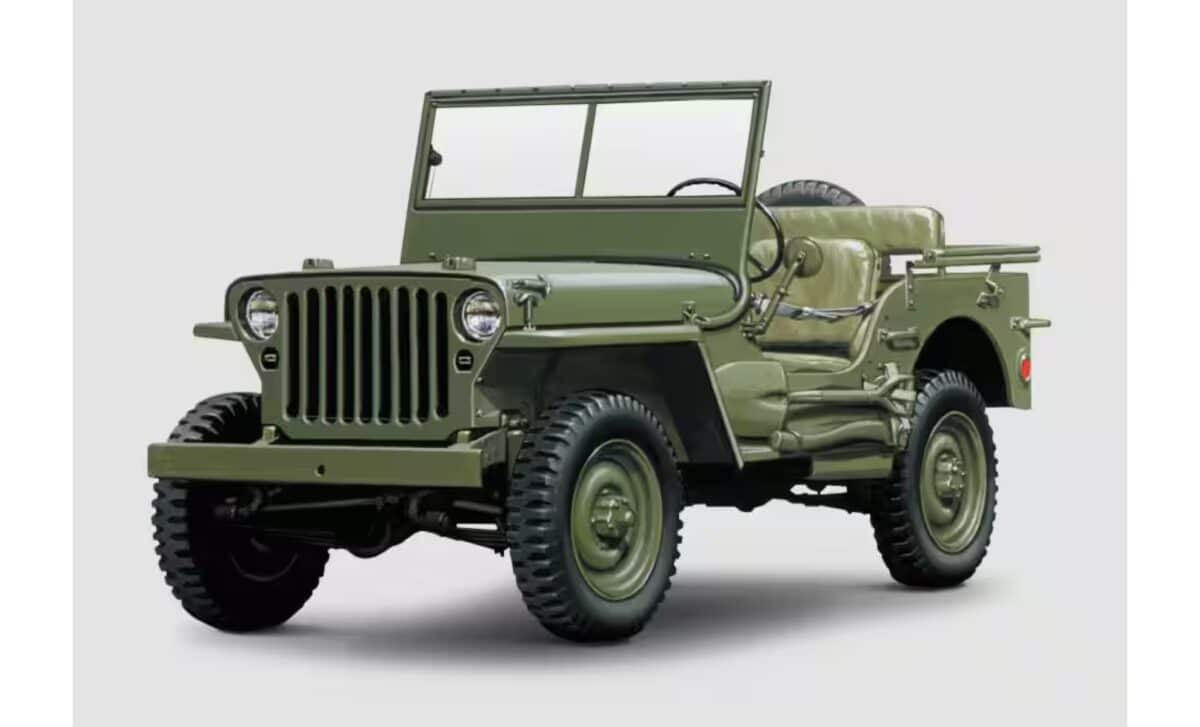
This engine, known as the Willys Go-Devil, powered the Willys Jeep, a vehicle that became inseparable from the U.S. military’s success in the conflict. This engine, while unassuming in design, helped shape the outcome of the war and left a lasting legacy in the automotive world.
Powering a Game-Changing Vehicle
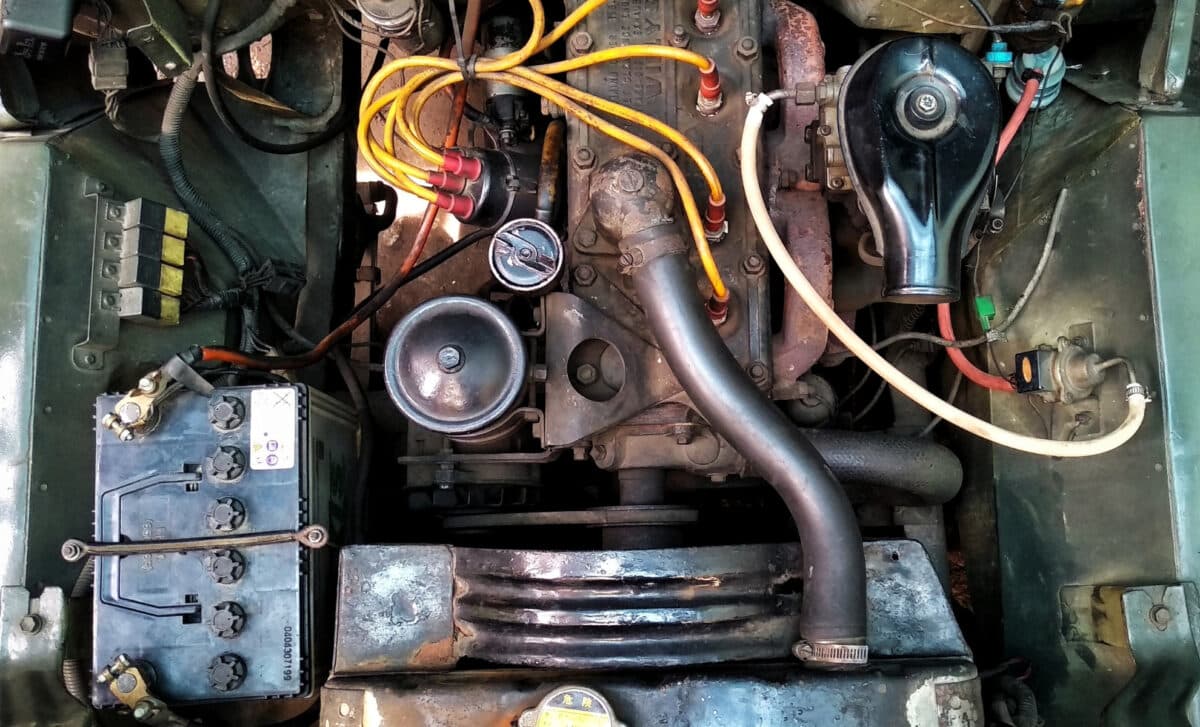
The Go-Devil engine wasn’t an entirely new creation from Willys-Overland Motors. It was an updated version of their existing Whippet Four inline engine, which had been used in passenger cars in the 1930s. The improvements made to the engine by Willys included new aluminum pistons, a revised cam lobe design, a more robust valvetrain, and a new crankshaft. These changes boosted the engine’s output to 62 horsepower, significantly more than the original design.
In the late 1930s, the U.S. military requested prototypes for a new light reconnaissance vehicle. Willys, Ford, and Bantam were all invited to submit designs, and while the Willys prototype was heavier than its competitors, it stood out due to the superior performance of the Go-Devil engine. This engine would ultimately become the beating heart of the Willys Jeep, which was accepted by the military in 1941.
A Military Workhorse Driven by the Go-Devil
The Willys Jeep quickly became a workhorse for the United States during WWII. General George Marshall, the U.S. Army’s Chief of Staff, even called it America’s greatest contribution to modern warfare. Known for its ruggedness and versatility, the Jeep could go anywhere and do anything, according to war correspondent Ernie Pyle. It was famously described as “faithful as a dog, as strong as a mule, and as agile as a goat,” carrying far more than it was ever designed to, reports CarBuzz.
Around 600,000 Jeeps were produced during the war, with the vast majority powered by the Go-Devil engine. The Jeep became invaluable to military operations, traversing tough terrains from North Africa to the European frontlines. The simplicity of the Go-Devil engine made it incredibly reliable and easy to repair, even in remote, battle-scarred locations. Its durability under pressure helped ensure that the Willys Jeep became one of the most successful military vehicles in history.
From War to Civilian Life
After WWII, the Go-Devil engine didn’t just fade into history. It continued to power civilian versions of the Jeep, like the CJ-2A, which was introduced for agricultural and civilian use. These civilian Jeeps retained the same engine that had served the military, ensuring that the Go-Devil’s legacy lived on in the post-war world. The engine was also used in various other Willys models, including the Jeep Station Wagon, the CJ-3A, and the M38, as well as in other vehicles like the Henry J passenger car.
Production of the Go-Devil engine continued well after the war, and it remained an essential part of Willys’ vehicle lineup. Even in civilian vehicles, the engine retained its reputation for dependability, making it a key part of the brand’s identity.