
Last year was rough for the Volkswagen Group. Operating profit fell 53 percent compared to 2024, and the road ahead demands an aggressive response.
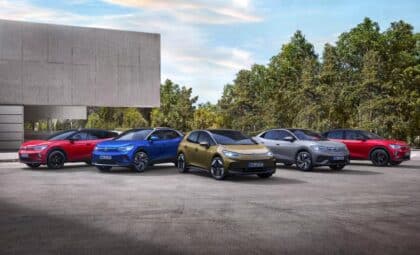
The scale of what’s coming is hard to overstate. From affordable small electric cars aimed squarely at European urban drivers, to electrified luxury flagships and high-performance SUVs, Volkswagen Group is deploying virtually every brand in its stable, Volkswagen, Audi, Skoda, Seat, Cupra, Porsche, Bentley, and Lamborghini, in a coordinated product push unlike anything it has attempted in recent years.
The losses that prompted this offensive were caused by a specific mix of pressures. Tariffs imposed by Donald Trump, costs tied to adjustments in Porsche’s product strategy, and broader market headwinds all weighed on the group’s bottom line in 2025. The 20-plus model offensive is, at its core, the company’s commercial answer to that difficult year.
Small Cars Return to Center Stage
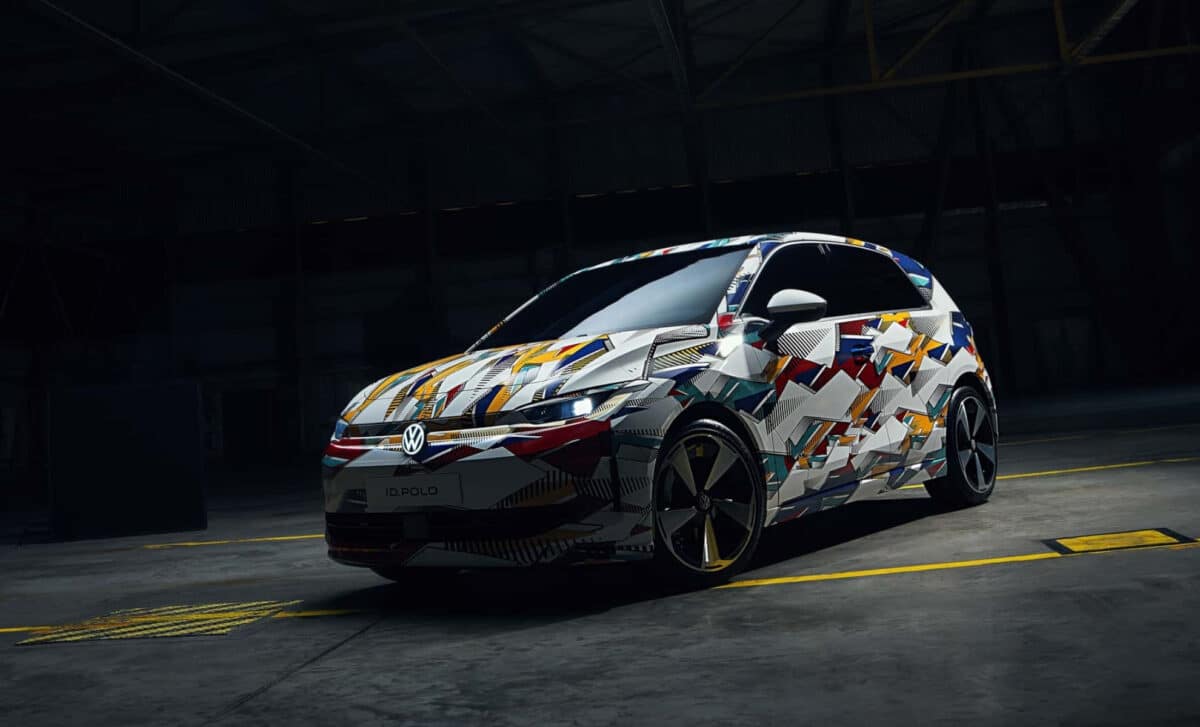
The strategic significance of small cars in Europe has never really faded, and several Group brands are arriving in that segment in 2026. Volkswagen is preparing to unveil the ID. Polo, an electric counterpart to the gas-powered Polo. The model’s road to production has not been smooth, it was first previewed in 2021 through the ID.
Life concept, before being reworked after receiving a lukewarm response. The original design was considered too unconventional, and the revised version adopts a more conservative approach, with familiar styling and a recognizable name.
Technically, the ID. Polo will be built on the MEB+ platform, a variant adapted for B-segment vehicles and configured for front-wheel drive, a departure from the standard MEB architecture, which is rear-wheel drive. Volkswagen is also planning the ID. Cross, a small crossover roughly the size of the T-Cross.
Skoda is following a parallel path with the Epiq, which will become the Czech brand’s smallest EV. Cupra, for its part, is expected to launch the Raval, a compact car measuring around 4 meters, approximately 13 feet, in length.
SUVs: Still the Backbone
It is no surprise that SUVs remain central to the Group’s strategy. According to Motor1, the new Volkswagen T-Roc is already on sale and marks a first for the model: the availability of a full-hybrid powertrain. The next major Volkswagen launch in the segment will be the successor to the ID.4, which is expected to change its name to ID. Tiguan and receive a comprehensive redesign in both styling and technology.
Audi is readying both the Q7 and a brand-new model, the Q9, which will serve as the brand’s flagship. The A8, which the Q9 effectively replaces, is expected to be discontinued. Audi is also preparing a mid-cycle refresh for the Q4.
Skoda contributes the Peaq, a fully electric three-row SUV due later in the year. Seat’s Arona will receive a facelift, already revealed, it will go on sale starting at 22,500 euros. At the very top of the segment sits the electric Porsche Cayenne, with a maximum output of 1,156 horsepower.
Performance Machines, Revived Nameplates, and Luxury EVs
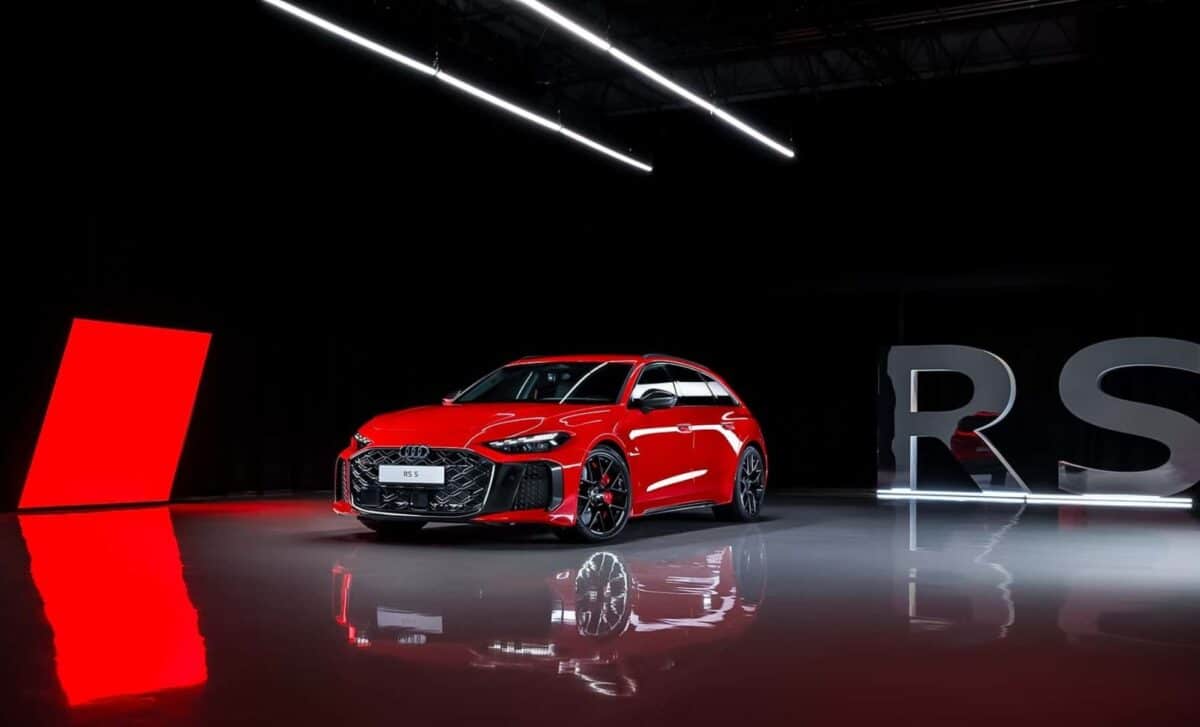
The 2026 pipeline does not stop at mainstream models. Audi has just unveiled the RS5, while the next RS6 is expected to retain a V8 engine while adding a plug-in hybrid system to push output even higher. Audi is also reviving a storied nameplate: the new A2 will be an electric reinterpretation of the early-2000s model, built on the Group’s MEB platform.
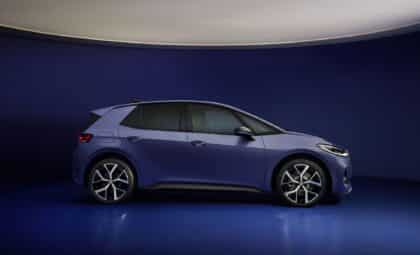
On the Volkswagen side, a hybrid version of the Golf is coming, using the same full-hybrid powertrain found in the T-Roc, alongside a refreshed ID.3. Porsche could also unveil the electric 718 Boxster and Cayman in 2026, after reports of their cancellation were denied.
Bentley’s next SUV will be fully electric, having previously been teased with an early image. Lamborghini is said to be preparing the Urus SE Performante. Taken together, it is a lineup that touches virtually every corner of the market the Volkswagen Group has staked a claim in.