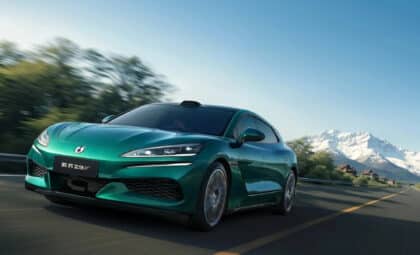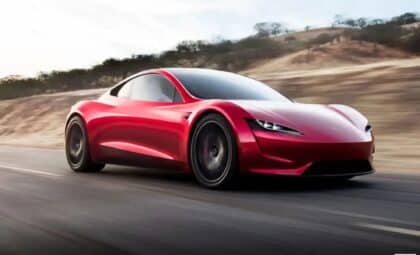
The rivalry between Tesla and BYD has defined the global electric vehicle market in recent years, with both companies competing for the top position in quarterly and annual EV sales. The latest figures show another reversal in leadership, highlighting how quickly the balance can change in the electric vehicle industry.
The change also reflects broader market conditions, including government incentives, taxes, and product strategies that continue to shape demand for electric vehicles in different regions.
Tesla Deliveries Rise While BYD EV Sales Drop Sharply
Tesla delivered 358,023 electric vehicles worldwide in the first quarter of 2026, representing a 6.5% increase compared to the same period the previous year. According to InsideEVs, this increase allowed the American automaker to reclaim the title of the world’s largest electric car manufacturer by deliveries.
BYD, which held the top position previously, delivered 310,389 pure electric vehicles during the same period. This represented a 25% decrease compared to its EV deliveries a year earlier. The drop in BYD’s electric vehicle deliveries played a major role in Tesla regaining the top position in the global EV market.
The two companies have been competing closely for the number one spot since 2023, when BYD first surpassed Tesla in EV deliveries during the fourth quarter of that year.
BYD Still Sells More Total Electrified Vehicles Globally
Despite losing the top spot in pure electric vehicle deliveries, BYD continues to sell a larger total number of electrified vehicles when plug-in hybrids are included. The company produces both fully electric vehicles and plug-in hybrid electric vehicles, which significantly increases its total sales volume.
BYD sold 695,772 new-energy passenger vehicles globally in the first quarter of 2026. This total includes both fully electric vehicles and plug-in hybrids, and although it is nearly double Tesla’s total EV deliveries, the figure still represents a 30% decline compared to the previous year.
This distinction between pure electric vehicles and total new-energy vehicles remains a key factor when comparing Tesla and BYD, as the two companies focus on different product mixes.
Policy Changes and Incentives Affect EV Demand in Key Markets
In China, changes to government incentives have affected electric vehicle demand, particularly for BYD. The Chinese government reduced subsidies for new electric vehicle buyers, limiting a purchase bonus to 20,000 yuan, which is roughly $2,905.
Previously, a trade-in subsidy program offered buyers 12% of a new car’s price as an incentive regardless of the vehicle’s price. Buyers must now also pay a 5% tax on electric vehicles, whereas earlier policies exempted EV purchases from this tax. These changes mean buyers now receive fewer incentives and must pay more in taxes when purchasing electric vehicles in China.
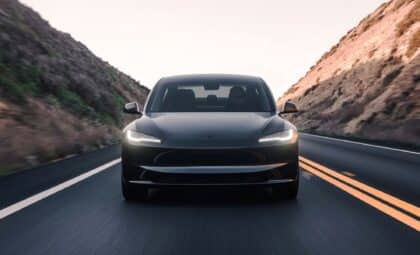
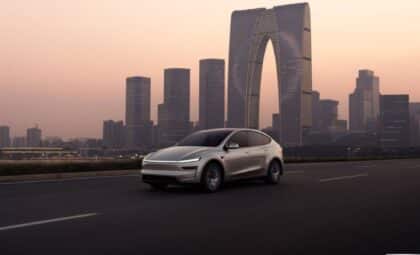
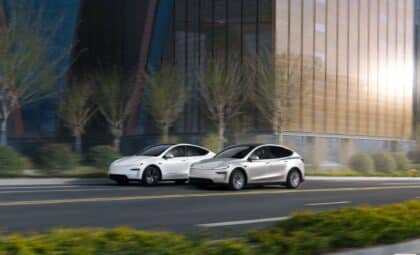
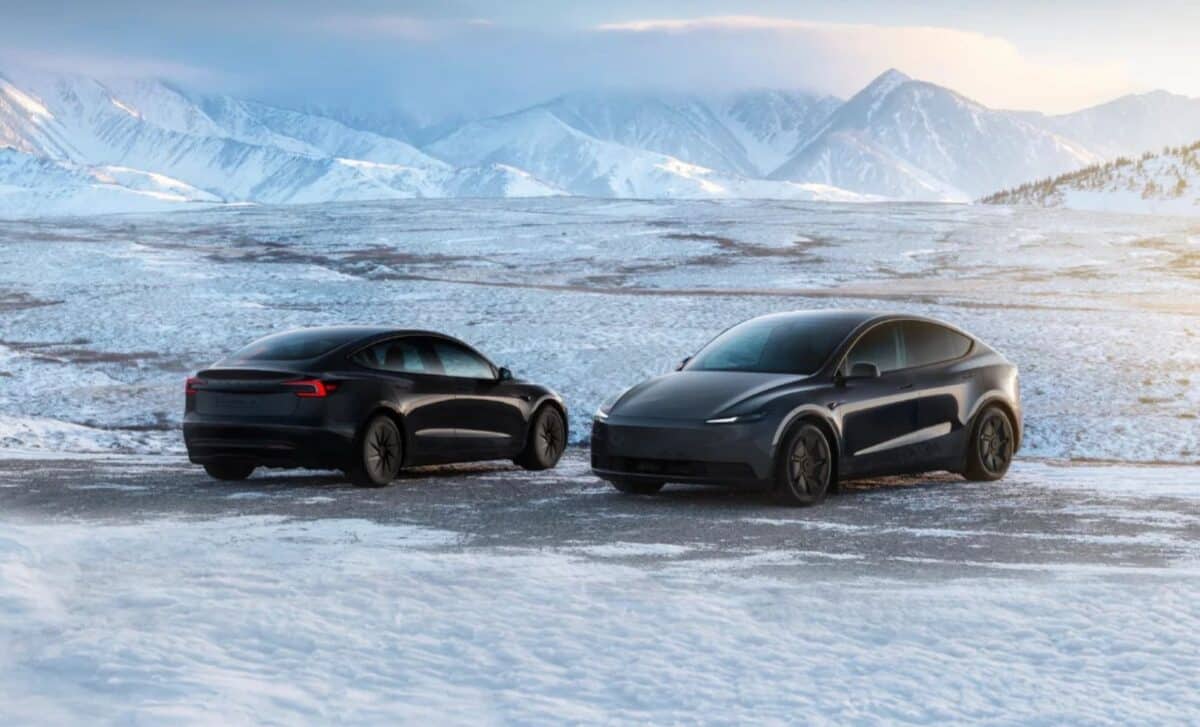
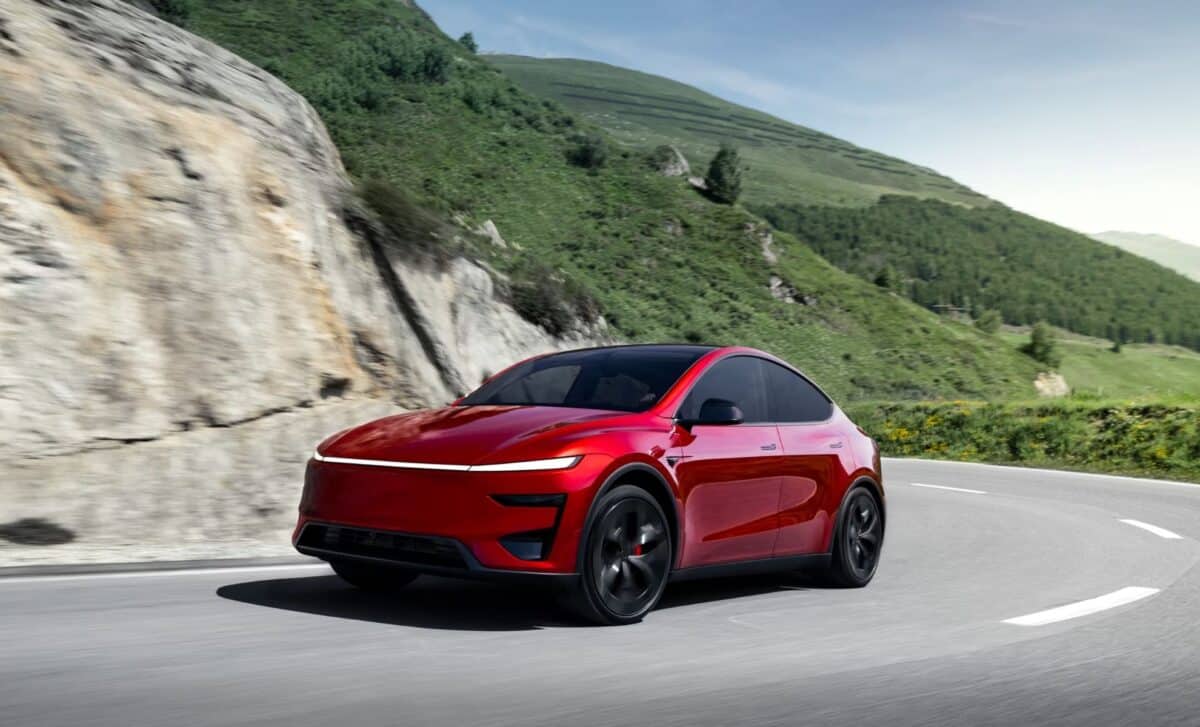
In the United States, policy changes have also affected the market. The $7,500 federal tax credit for new electric vehicles was canceled last year, forcing automakers, including Tesla, to adjust their strategies. Tesla currently relies mainly on two models, the Model 3 and Model Y, while BYD offers a broader and more diversified vehicle lineup.