
Wheels don’t just take the weight of the car; they absorb every impact from the road. While drivers often focus on engine maintenance or brake performance, they tend to overlook the condition of their rims. Minor oversights like ignoring potholes or skipping tire rotation are among the leading causes of long-term wheel damage. And by the time visible symptoms show up, like uneven tire wear or vibrations, the damage is usually done.
Most drivers only react when the tire pressure light comes on or when a blowout forces a visit to the shop. But waiting for warning signs can be costly. The average pothole-related repair costs around $406, and in rare but extreme cases, such as a Tesla Cybertruck owner who hit a pothole, the bill can climb to $34,000. The good news is that damage from these mistakes is entirely avoidable.
Potholes, Sharp Turns, and High-Speed Hits
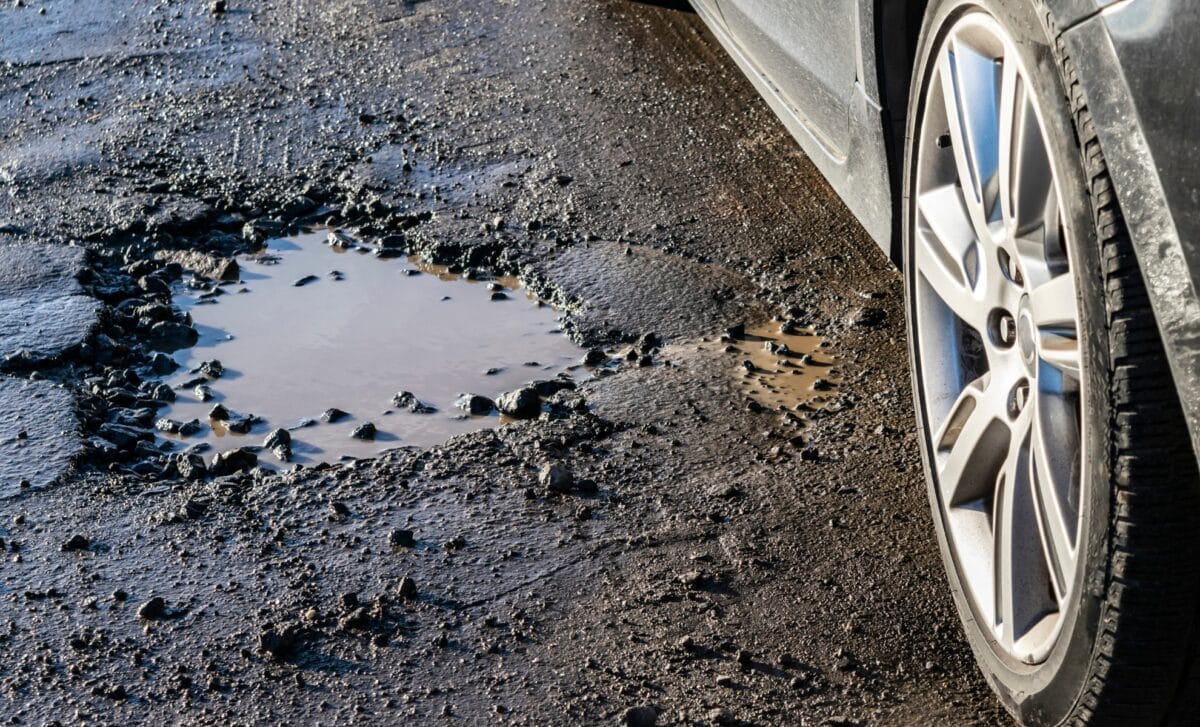
Drivers in large vehicles often assume potholes and bumps won’t be a problem. But hitting a deep hole or even a moderate bump at high speed can severely bend or crack a rim. Even the strongest wheels are vulnerable if repeatedly exposed to hard impacts. And while the car might feel fine after the hit, internal misalignments or hairline cracks often go unnoticed until further damage builds.
Potholes aren’t the only danger. Taking corners aggressively or braking hard puts extra stress on wheels, wearing them down faster. Every sharp movement or road hazard becomes more punishing at high speed, increasing the chance of rim deformation. But if it looks like something out of a Fast & Furious movie, it’s probably bad for your car.
Tire Pressure Mistakes and Skipped Maintenance
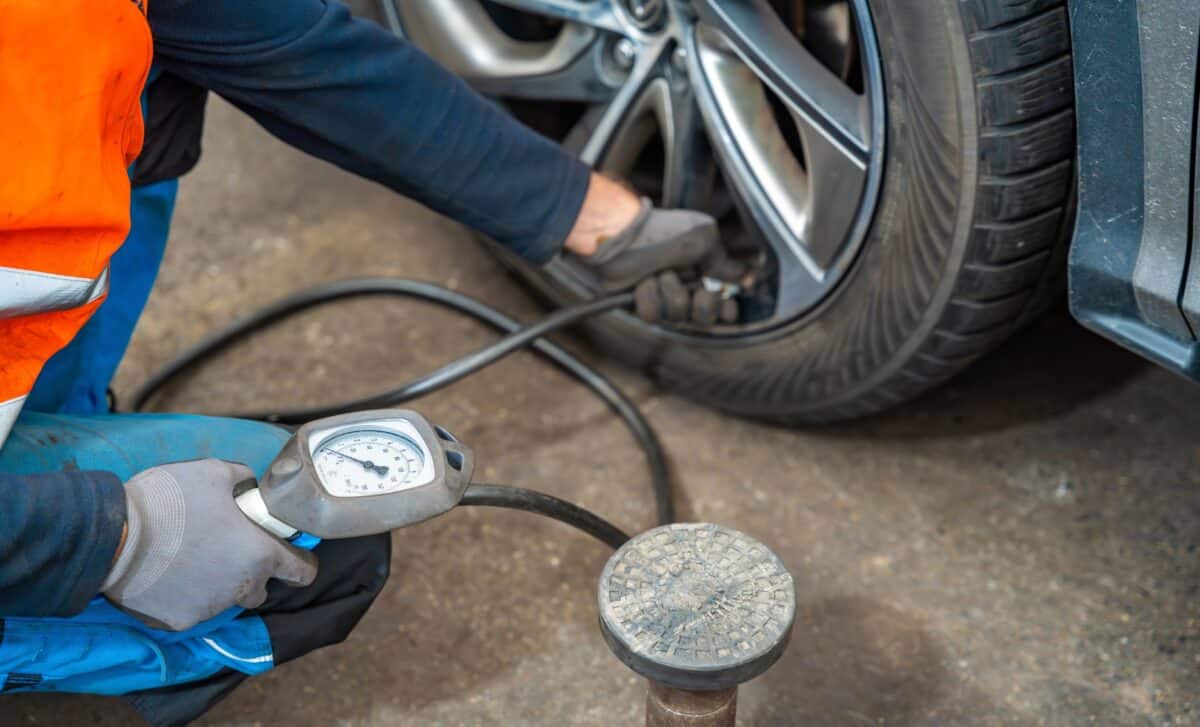
Tire pressure is a basic maintenance task, and one of the most overlooked. While most drivers assume a visual check is enough, underinflated tires often look fine even when they’re 25% below the recommended pressure. At that level, they stop absorbing road impacts properly, putting rims at risk of dents or separation during heavy hits.
Beyond that, underinflated tires generate more heat and wear out faster. This shortens their lifespan and exposes wheels to greater stress. That’s why checking tire pressure with a gauge, especially after temperature changes, is critical. The proper PSI is listed on the driver’s door jamb or in the owner’s manual, not on the tire sidewall.
Routine alignment and tire rotation are just as important. Even minor misalignments, often caused by rough roads or unnoticed bumps, can lead to uneven wear and cause the wheel assembly to loosen over time. Tire rotation every 5,000 to 8,000 miles helps balance wear patterns, reducing the risk of blowouts that could destroy the rim.
Over-Tightening Lug Nuts and Curb Rash
Many drivers think they’re doing the right thing by tightening lug nuts as much as possible after changing a tire. But overtightening can warp or crack a wheel, strip the threads, or stretch the studs. And once the lug nut fails under pressure from braking or turning, the results can be dangerous. The correct torque is usually listed in the vehicle’s manual, and checking it again after 50 to 100 miles helps ensure it’s settled properly.
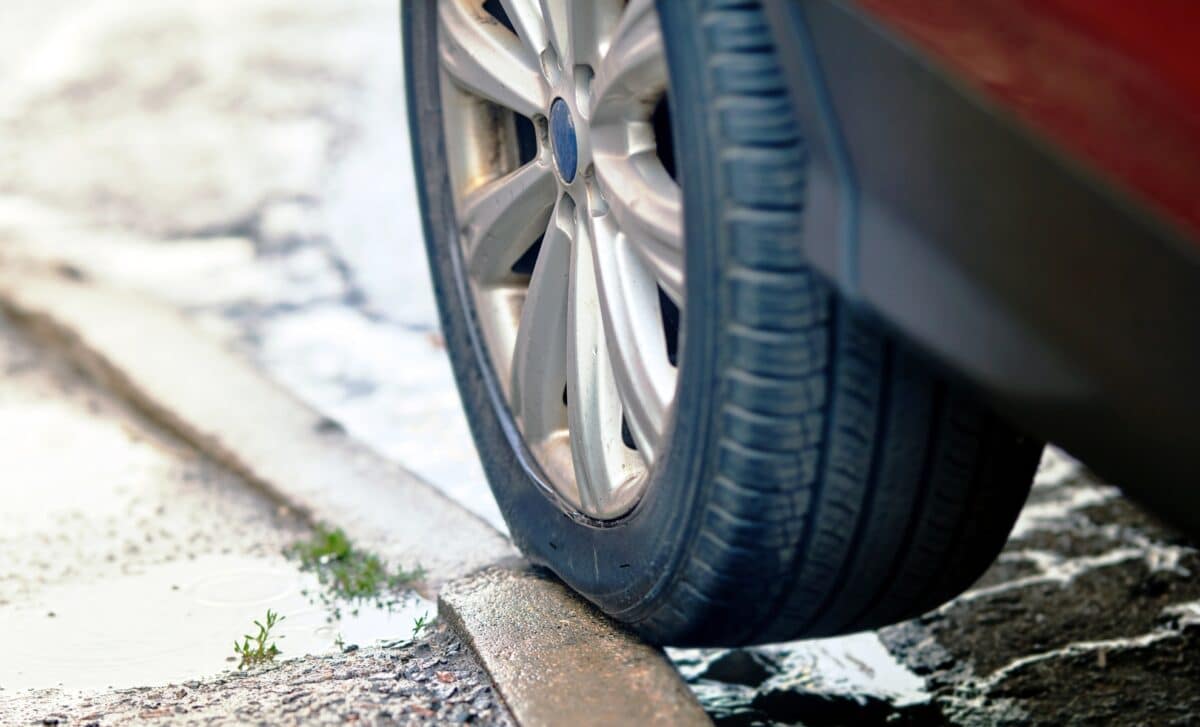
Another frequent issue is what’s known as “curb rash,” the scratches and gouges caused by rubbing the curb while parking. Though it might seem minor, these marks open up the rim to salt, dirt, and moisture, accelerating corrosion. Repeated contact with the curb can also bend the wheel or damage the tire’s sidewall. Using the side mirrors and angling them downward while parking can help avoid accidental scrapes.
Even cleaning matters. Brake dust, road salt, and grime left on the wheels can cause rust over time. Regular washing helps prevent corrosion and extends the life of both the rim and the tire. It’s a small step that pays off in durability.