
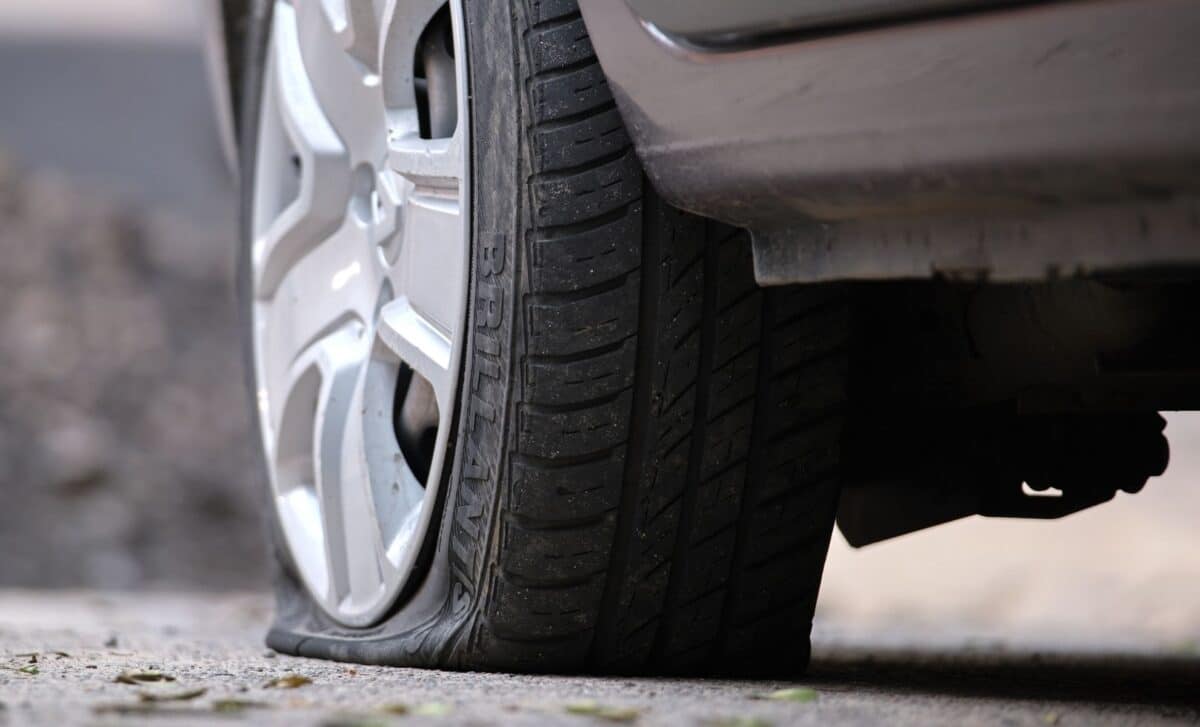
Worn-out or damaged tires significantly increase the risk of accidents, from blowouts to longer stopping distances. Recognizing the signs that your tires need replacing is essential to maintaining control of your vehicle and ensuring a safe driving experience.
Tires don’t last forever. Over time, they wear down and lose their ability to perform at their best. The most obvious sign that it’s time to replace your tires is visible wear, but some indicators are more subtle, like vibrations or strange noises while driving. Understanding the full range of warning signs will help you prevent unsafe situations on the road. Here’s what you need to look for.
Worn Tread: A Serious Risk for Stopping Power
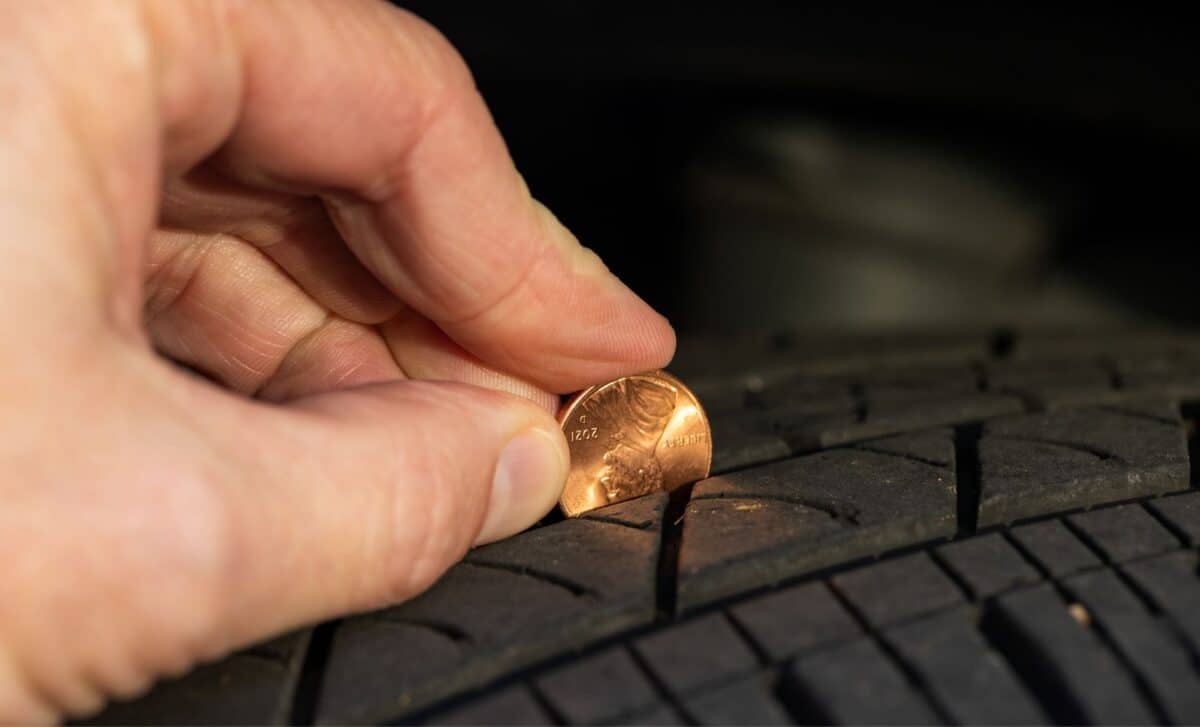
The tread on your tires plays an essential role in providing grip and traction, especially in wet conditions. According to experts, when the tread becomes worn down, your stopping distance increases significantly, which can be dangerous in emergency situations. The most common way to check the tread depth is the “penny test.”
Turn a penny upside down and place it between the treads. If you can see the top of Lincoln’s head, the tread is too low and the tire should be replaced. In fact, depending on your state, tires with tread this worn could be considered illegal for road use. It’s important to replace your tires before they reach this point. Some experts recommend using the “quarter test” for a safer margin, which means replacing tires before the tread becomes dangerously low.
Cracks, Bulges, and Leaks: Visual Signs of Internal Damage
Worn tread isn’t the only sign that your tires need replacing. Cracks and bulges are also major indicators that your tires are no longer safe. Cracks often signal dry rot, which occurs when the rubber breaks down over time due to exposure to air, heat, and UV rays. If you notice any cracks on your tire, especially if they are deep enough to fit the tip of a pen, it’s time to replace the tire.
Another serious warning sign is the presence of bulges or bubbles on the side of the tire. These bulges indicate that the steel belt inside the tire has separated, which can lead to a blowout. Tires with slow leaks or that don’t hold air properly are also a sign that the rubber has deteriorated and needs to be replaced.
Vibration or Thumping: Signs of Uneven Wear or Internal Damage
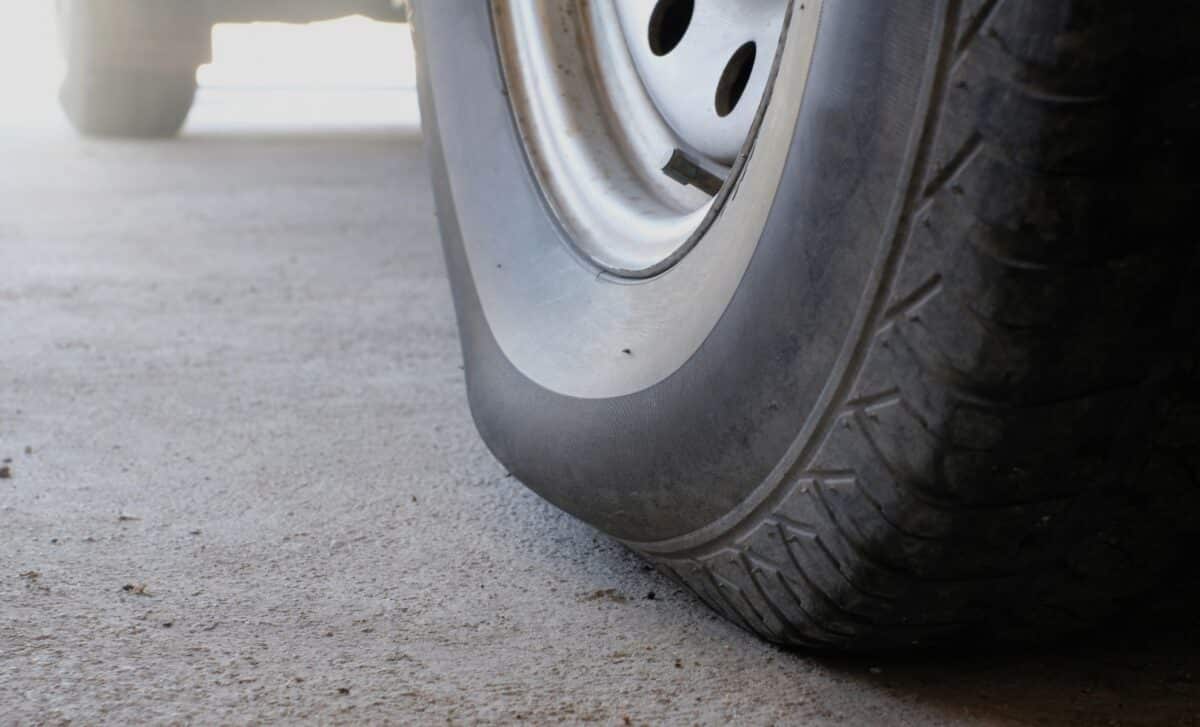
If you begin to feel vibrations or hear a thumping noise while driving, your tires may be to blame. According to experts, excessive vibration can indicate uneven tire wear, often caused by worn shocks or improper tire balancing. It may also suggest that the tire itself is no longer perfectly round.
While vibrations can sometimes be fixed with a simple tire balancing, thumping sounds are more serious. This noise typically means that the tire’s steel belt is separating inside, a potentially dangerous situation. If you notice either of these symptoms, it’s best to have your tires checked and replaced promptly to avoid further damage or a potential blowout.
Longer Stopping Distances: Worn Tires Don’t Grip the Road
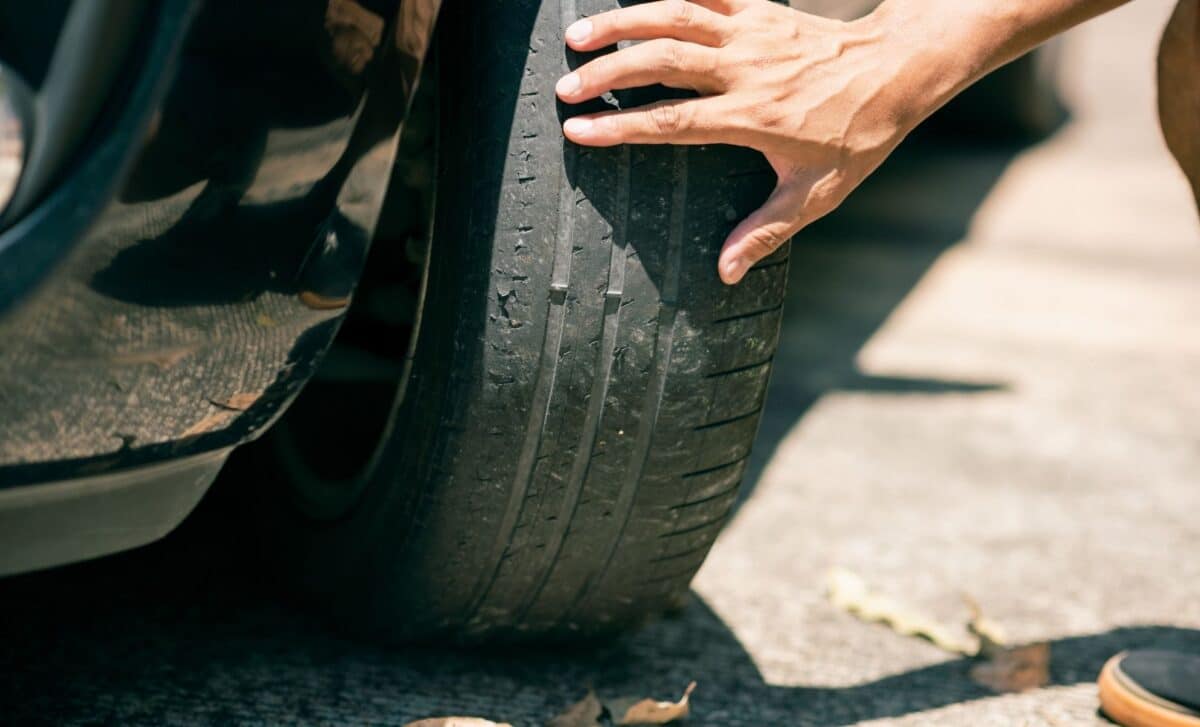
Tires with worn-out tread significantly reduce your car’s ability to stop quickly. According to a test conducted by DEKRA, tires with tread worn down to 2-3 mm took up to 18% longer to stop on wet roads and 8.5% longer on dry roads.
This decrease in stopping power increases the risk of accidents, particularly in wet or icy conditions. Worn tires also make your vehicle less responsive, increasing the likelihood of hydroplaning and loss of control during a rainstorm. If you notice that your car takes longer to come to a stop or struggles to maintain control, it’s a sign your tires may be worn out and need replacing.
Tire Age: Don’t Rely on Tread Alone
Even if your tires appear to be in good condition, age can be a significant factor in determining when they should be replaced. According to most manufacturers, tires older than six years should be replaced, even if they have not been heavily used. Rubber breaks down over time due to exposure to air, heat, and UV rays, causing the tire to become brittle and prone to failure.
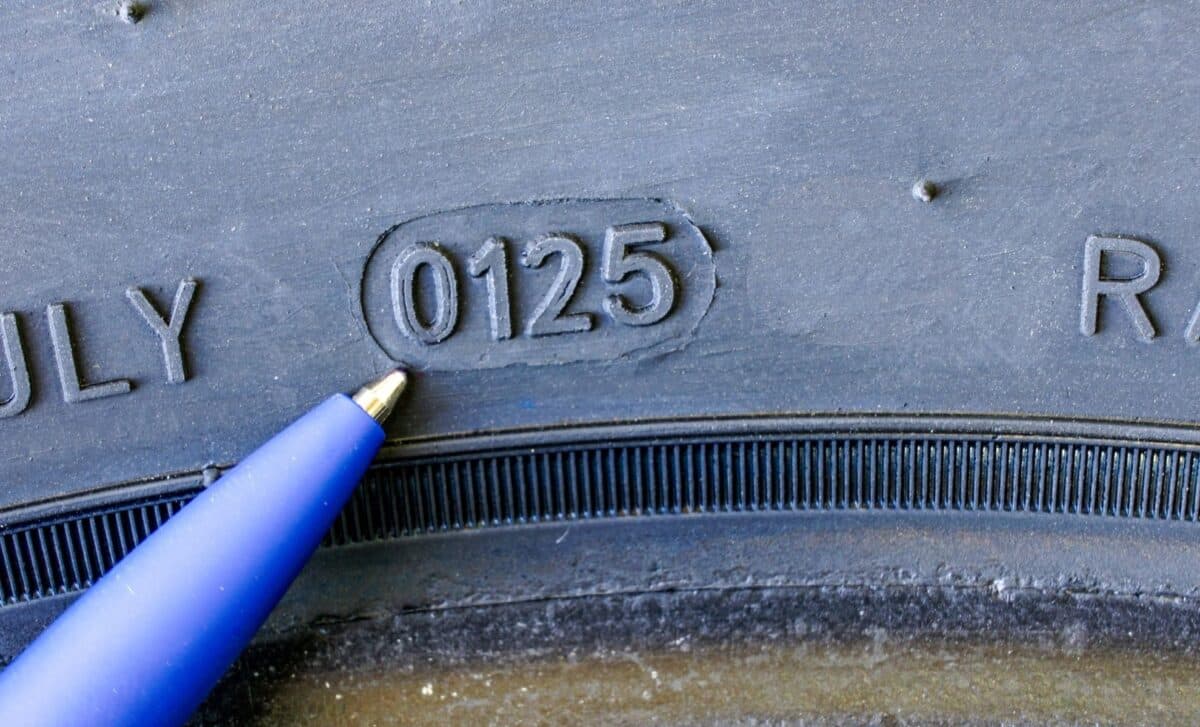
Most experts recommend replacing tires that are over six years old, regardless of how the tread looks. If your tires are over 10 years old, they should definitely be replaced, as many manufacturers no longer service tires of this age. To check the age of your tires, look for the DOT number on the sidewall. The last four digits of the number indicate the week and year the tire was manufactured. For example, “3420” would indicate the tire was made in the 34th week of 2020.