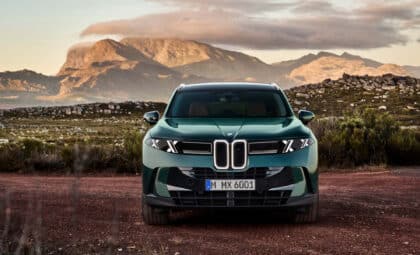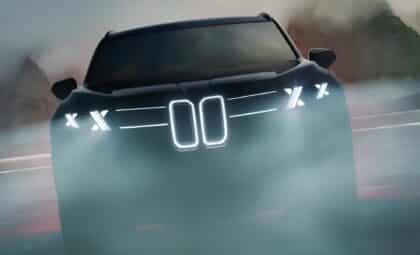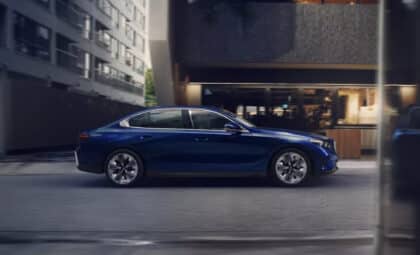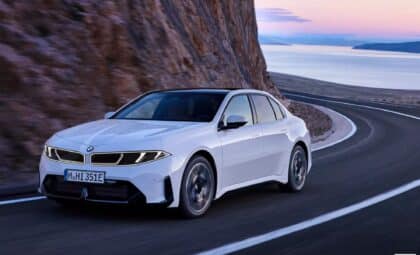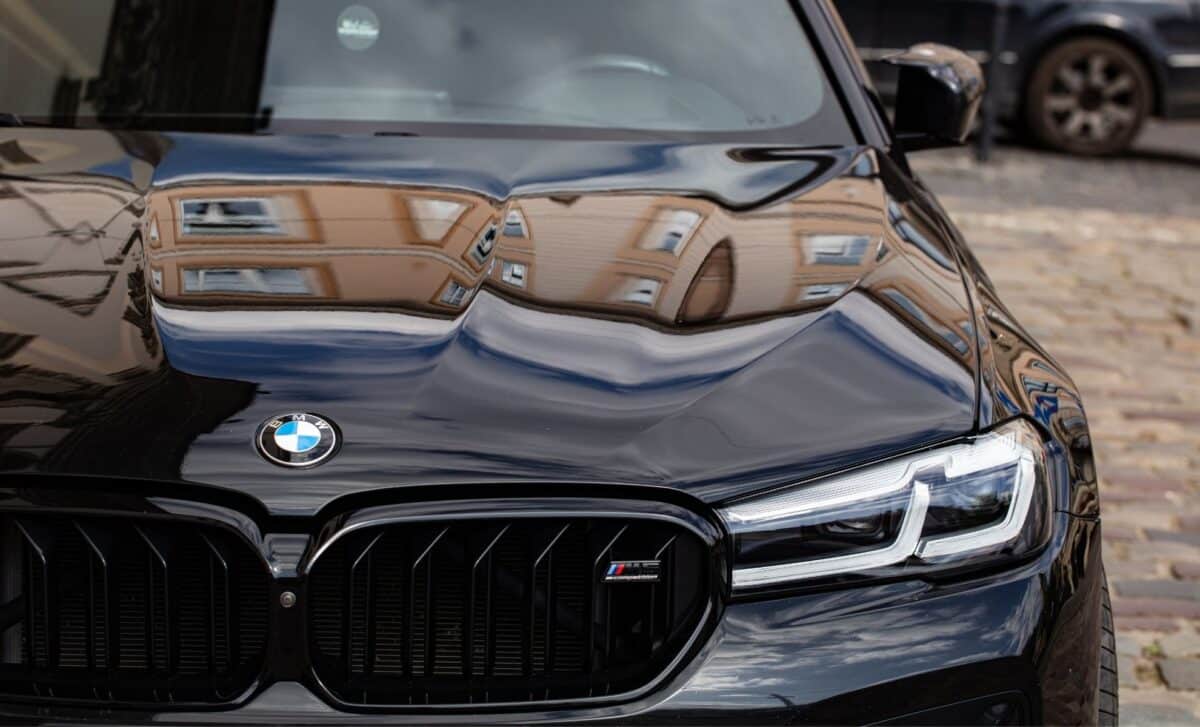
BMW is weighing a major return to range extender technology for its upcoming electric X5 and 7 Series, a move largely driven by soaring consumer demand in key global markets like China and the US.
The German carmaker has not yet confirmed a production plan, but the concept is gaining momentum. Unlike traditional hybrids, these vehicles operate as full electric cars until battery charge drops, at which point a small combustion engine activates to recharge the battery—never powering the wheels directly.
Growing Interest in Extended-Range Models
China, BMW’s largest market, is at the heart of this strategic rethink. According to ArenaEV, nearly 29.2% of BMW Group’s global deliveries last year were in China—outpacing combined sales in the US and Germany. Consumer appetite for Extended-Range Electric Vehicles (EREVs) is growing fast, with Chinese sales of such models rising by almost 50% in the first five months of 2025.
The surge has been led by local competitors like Li Auto, Aito, and BYD, whose range-extending models have proven popular among drivers seeking a balance between electric driving and long-distance usability. These models operate much like BMW’s discontinued i3 REx, which used a small gasoline engine as an onboard generator to charge the battery when needed.
Platform Advantages in BMW’s Flagship Models
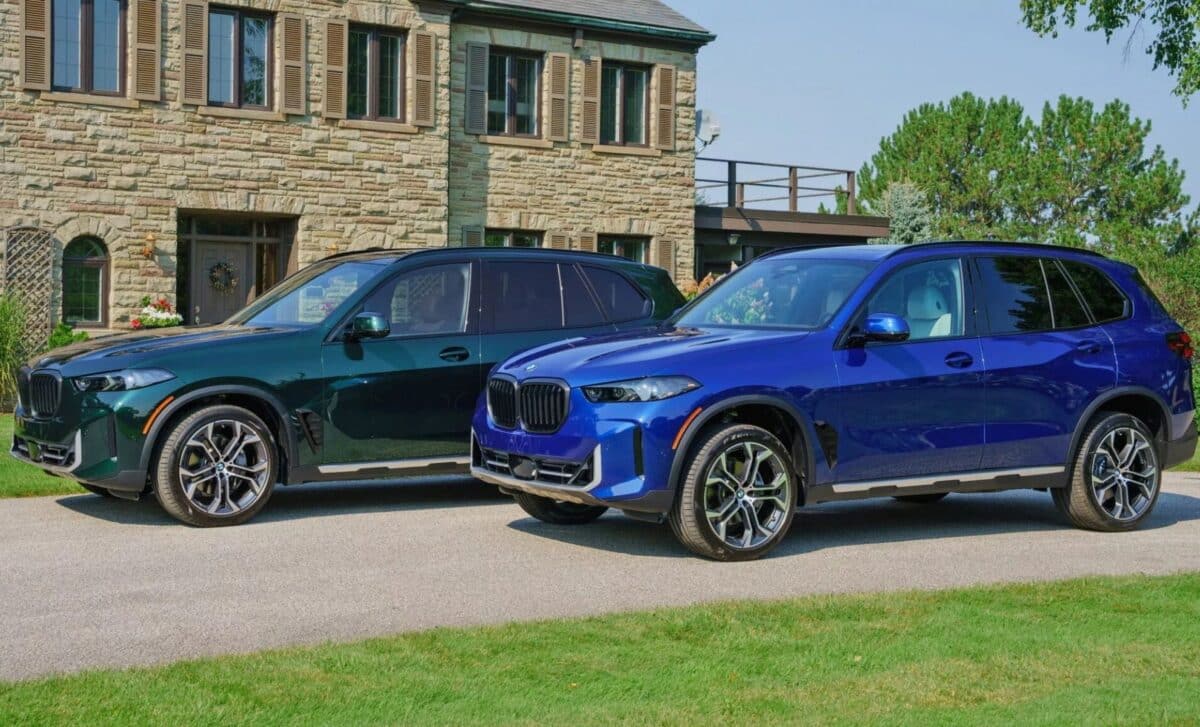
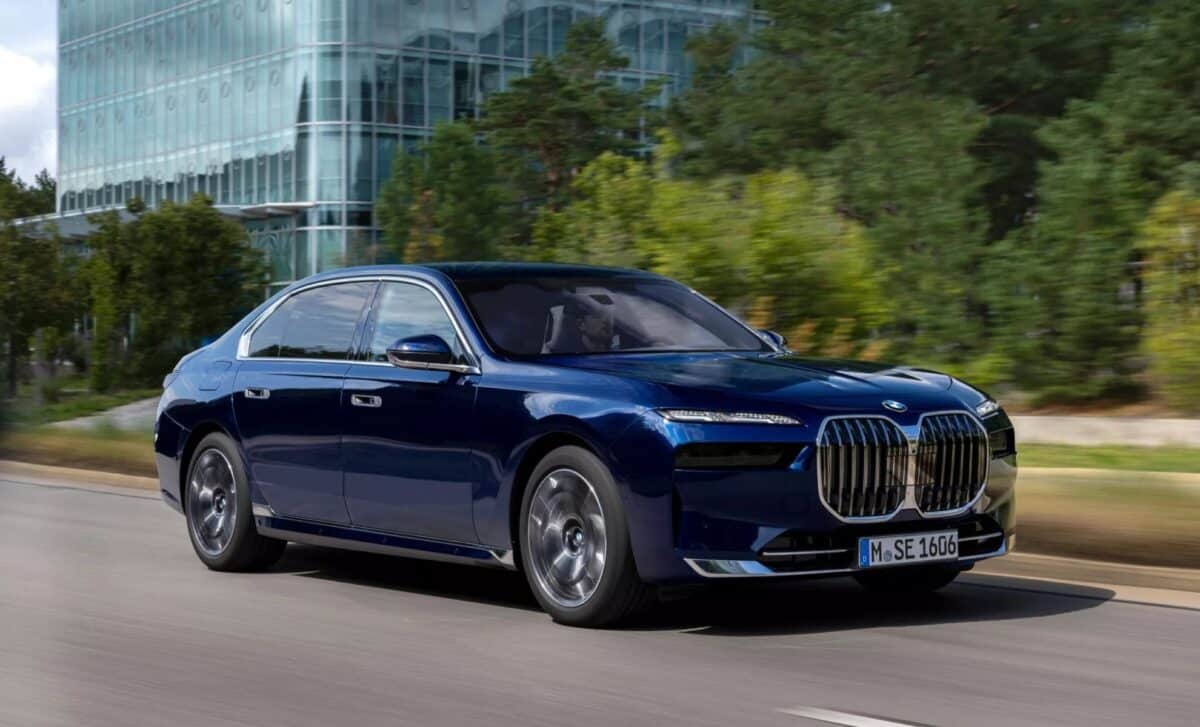
The X5 and 7 Series are seen as ideal candidates for this configuration. Both vehicles offer enough physical space to house a compact engine without affecting cabin or storage capacity. According to Supercar Blondie, unnamed insiders suggest these larger vehicles would be the most logical platforms for the reintroduction of the REX setup.
BMW’s prior experience with compact engine and battery integration may also help fast-track development, should the project move forward. The engine, used solely as a generator, operates at a constant, optimal speed, allowing for high efficiency and smoother energy delivery.
A BMW spokesperson said that the company is “continuously analyzing usage patterns, customer needs, and market developments and reviewing the market potential of various technologies.” That statement—while noncommittal—reflects the company’s openness to strategic pivots in a rapidly changing global EV market.
Opportunity in the US and Potential in the EU
In the US, interest in this type of EV setup is growing, particularly among buyers of large SUVs and trucks who require more than just city-range capabilities. Similar systems are being pursued by upcoming models like the Ramcharger pickup and the Scout SUV, which also use a generator-style backup to extend range.
For BMW, offering EREVs could appeal to American drivers looking for flexibility: electric driving for daily use, with a combustion-based safety net for long trips, heavy loads, or remote destinations.
Europe presents another angle. Depending on future legislation, the EREV layout might allow BMW to comply with or sidestep parts of the 2035 EU ban on new combustion engine vehicles. Since the range extender does not directly power the wheels, such vehicles could be classified differently under emissions rules—though this remains speculative.
BMW has not approved a production program yet, but the rising success of EREVs in China and growing interest in the US suggests the technology is back in play.