
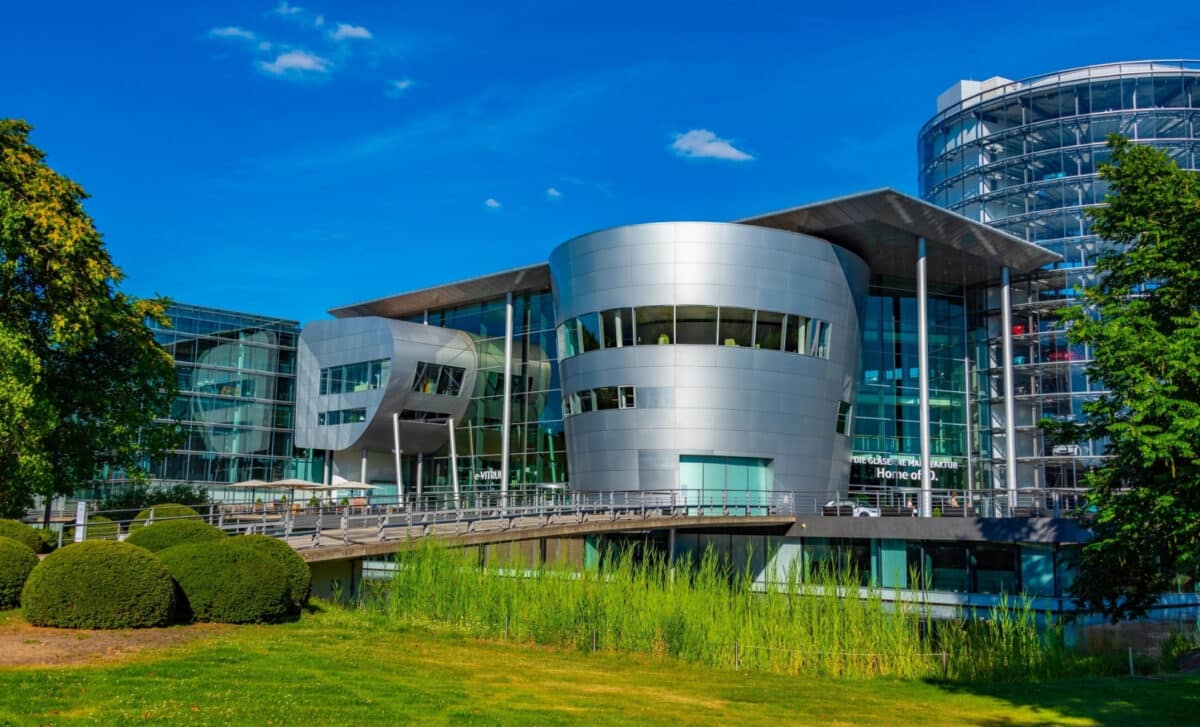
The Dresden factory, which opened in 2001, has been a symbolic location for the automaker. Initially, it was home to the production of high-end models such as the Phaeton and the Bentley Continental Flying Spur.
In recent years, however, it became a hub for electric vehicle manufacturing, producing primarily the ID.3. The last car to roll off the production line was an ID.3 GTX, marking the end of an era for the plant.
Volkswagen Faces Economic Struggles
Volkswagen’s decision to close the Dresden factory comes after a series of economic challenges. The company has been dealing with a sharp decline in sales, particularly in China, and a slowdown in new car sales across Europe. In addition to these market difficulties, the company has been heavily investing in electric vehicle technology, which has added financial strain. The factory’s closure reflects these challenges and a broader restructuring within the company as it attempts to remain competitive in a rapidly evolving industry.
According to Thomas Schäfer, CEO of Volkswagen, the decision was “absolutely necessary from an economic point of view,” despite the difficult nature of the choice. The plant had been producing cars since its inauguration, and although it wasn’t the company’s highest-output facility, it held significant symbolic value due to its unique design and association with Volkswagen’s premium offerings.
A New Purpose for the Dresden Plant
While production has ended, the plant will not be completely abandoned. The facility will continue to serve as a key site for Volkswagen, albeit in a different capacity. Starting in January 2026, the Dresden plant will be transformed into a delivery center. In addition, part of the site will be converted into a technological innovation hub, focusing on areas such as artificial intelligence and robotics. This change reflects Volkswagen’s commitment to embracing new technologies and maintaining its presence in the rapidly changing automotive landscape.
Impact on Employees
The closure of the Dresden plant has direct consequences for the factory’s employees. Approximately 230 workers are impacted by the shutdown. Volkswagen has stated that it will offer “socially responsible alternatives” for these employees, including possible transfers to other sites or agreements for voluntary contract terminations. This approach aims to mitigate the social impact of the closure, which is a significant blow to the workers who had contributed to the plant’s operations.
The Dresden factory had a unique place in Volkswagen’s history, producing 165,500 vehicles over the course of its 24-year existence. Its closure signifies not only a shift in the company’s production strategy but also a response to the economic pressures currently facing the automotive industry.