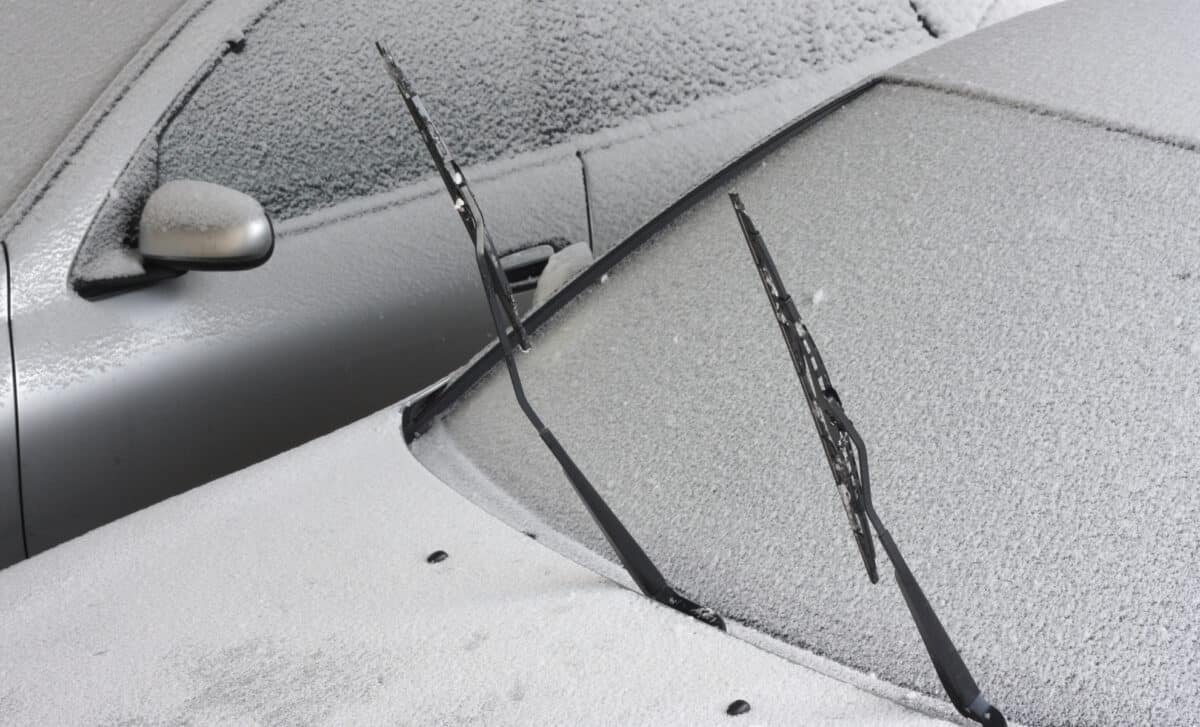
In snowy regions, seeing parked cars with their windshield wipers raised is a familiar winter sight. It’s done to keep the blades from freezing to the windshield, but experts say the habit might do more harm than good. From stretched springs to cracked glass, the risks may outweigh the benefits.
The logic behind lifting wiper blades is easy to follow: when snow or freezing rain is expected, moving the blades off the glass should prevent them from sticking. Many drivers hope to save time during their morning clean-up, avoid tearing the rubber, and reduce wear on the wiper motor. But this simple action, repeated year after year, can cause hidden and lasting damage to a vehicle’s wiper system.
Both automotive professionals and parts retailers now advise against this winter habit, urging drivers to consider safer alternatives that don’t compromise the integrity of the wiper arms or the windshield.
Wipers Up: A Habit That Might Backfire
The main argument in favor of lifting wipers is that it makes it easier to clear snow and ice, and prevents the blades from freezing to the windshield. Some experts acknowledge that this can be helpful in certain cases.
But many in the automotive field strongly advise against it. According to John Paul, resident automotive expert at the American Automobile Association, keeping the wipers raised for a long period can damage the springs that hold them tightly against the glass. These springs are responsible for ensuring even pressure during operation. If overstretched, the blade may no longer make proper contact with the windshield, resulting in poor wipe quality.
AutoZone echoes this concern, stating that the springs inside the wiper arms can become permanently stretched when wipers are left in an upright position for extended periods. Over time, this tension loss can lead to inefficient performance, such as chattering across the glass or failure to fully clear rain or snow.
Raised Wipers Face Environmental Risks
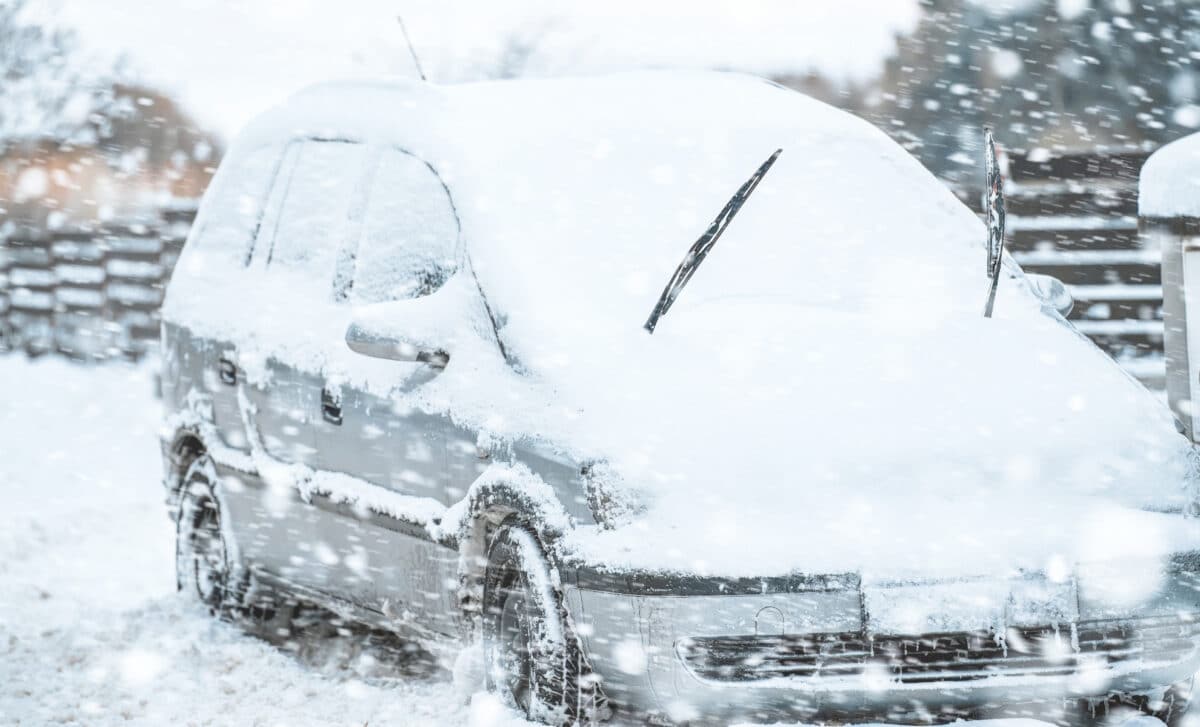
Beyond mechanical stress, leaving wipers lifted makes them more vulnerable to environmental hazards during a storm. Strong wind gusts can knock the blades back onto the windshield with force. This impact can be strong enough to crack the glass, especially if the wiper arm snaps back suddenly under tension.
Wipers left aloft are also more exposed to snow and debris, which can bend or shift them. This increased exposure can lead to misalignment or physical damage that affects how they function later.
And if the blades do freeze to the windshield despite being lifted or left down, turning on the wipers can tear the rubber edge or even damage the motor, particularly if they’re stuck hard. Frozen blades dragged across ice can also nick the edges, reducing their effectiveness even if they aren’t visibly damaged.
Safer Solutions Recommended By Professionals
For drivers looking to avoid frozen blades without risking damage, experts suggest multiple alternative methods. Robert Sinclair Jr., spokesperson for AAA Northeast, advises using a blanket or snow cover over the windshield before a storm hits. “The next morning, pull off the blanket and the windshield is clear,” he says, noting that it can be secured with bricks to keep it in place.
It is also recommended to wrap the wiper blades directly in plastic grocery bags, plastic wrap, or a small tarp, any waterproof material that keeps moisture off the rubber. This prevents the blades from freezing to the windshield without straining the springs.
Chemical deicers offer another route. Aerosol deicing sprays can quickly remove frost and ice from both the windshield and the wipers. In addition, cold-weather wiper fluids with built-in deicing properties make it easier to clear frost and reduce the chance of freezing.
For those wanting a long-term solution, heated wiper blades are available. These warm up as the car operates, melting frost and preventing freezing while the blades remain in contact with the windshield. That way, drivers don’t need to rely on temporary fixes or remember to lift their wipers at all.