
Whether you’re in the city or a rural area, cold weather can turn even a short drive into a stressful experience. But with a few simple checks and adjustments, your vehicle can stay safe, reliable, and ready for winter roads.
From worn-out wipers to underperforming tires, sub-zero temperatures test every part of a vehicle, regardless of whether it’s gasoline, hybrid, or electric. Cold conditions reduce battery efficiency, compromise visibility, and affect traction. But, taking early precautions before the first frost sets in can help prevent breakdowns and keep drivers safe on icy streets.
Driving in winter isn’t just about adapting your style, it’s about ensuring your vehicle can handle the conditions. Ice, snow, and freezing temperatures strain components that go unnoticed the rest of the year. While it’s easy to underestimate the impact of the cold, overlooking critical maintenance tasks can quickly lead to unexpected and avoidable problems.
Check The Battery, Fluids, And Wipers Before Frost Sets In
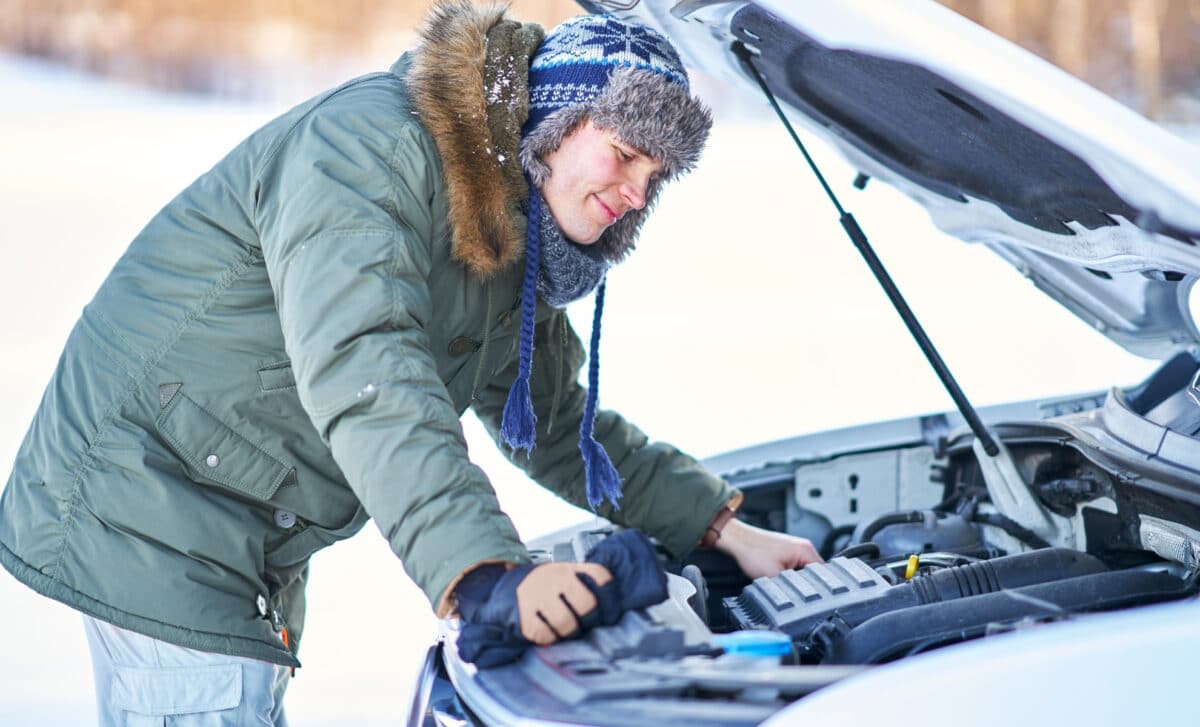
The battery is one of the first parts to be affected by low temperatures. Its capacity drops significantly in cold weather, especially in older models. If your engine hesitates to start or your electrical systems respond slowly, it’s a sign to check the battery’s charge level. A quick inspection or charge test can prevent a no-start situation during a frosty morning commute.
Fluid levels require just as much attention. Windshield washer fluid must be rated for freezing temperatures to avoid damage to the washer system and to maintain proper visibility. The engine’s coolant also plays a key role, it should be concentrated enough to resist freezing. A visual check is often enough to spot any leaks or low levels.
Wiper blades are another small but essential component that endure harsher conditions during winter. Between ice buildup, snow, and road salt, worn-out blades quickly reduce visibility. If your wipers leave streaks or fail to clear frost effectively, replace them. Poor visibility through a dirty or frozen windshield, especially at night, can cause dangerous glare and compromise safety.
Switch To Winter Tires And Make Visibility A Priority
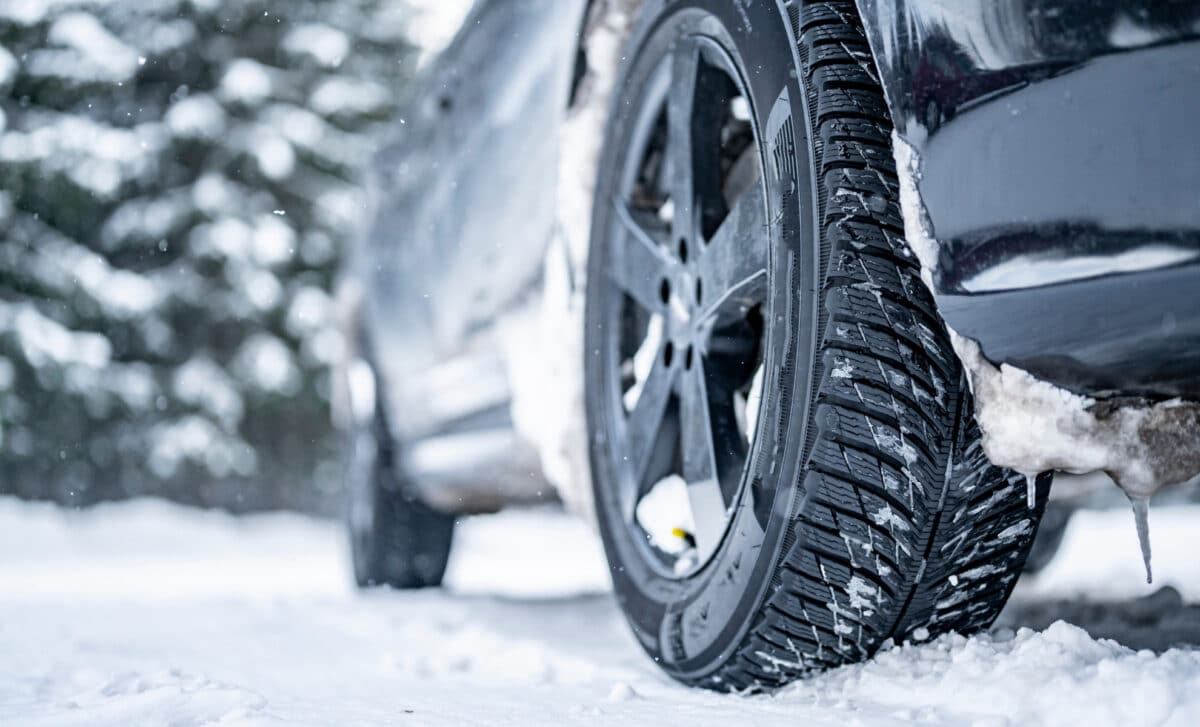
Tires lose effectiveness once temperatures fall below 7°C. Even without snow, summer tires struggle to maintain grip on cold roads. Switching to winter tires, or, at minimum, approved all-season tires, improves traction and shortens braking distances. Tire pressure should also be checked regularly, as it tends to decrease naturally in the cold.
Clear visibility is another critical aspect of winter driving. All windows must be fully defrosted before hitting the road. That includes the front windshield, side windows, and rear window. A good ice scraper is essential, and your vehicle’s defrosting system should be fully operational. Driving with obstructed visibility isn’t just dangerous, it may also lead to fines in many countries.
Daily Habits That Reduce Winter Stress
Beyond technical checks, a few everyday habits can make life easier during cold spells. Parking your vehicle under cover, such as in a garage or carport, helps prevent frost buildup and protects mechanical parts. If no shelter is available, using an anti-frost windshield cover can save time and reduce scraping effort in the morning.
Carrying a few simple accessories in your vehicle can also make a difference. Gloves, a backup scraper, and a can of de-icer are small but useful items that allow you to react quickly during freezing conditions. These little precautions help you get moving faster, even in extreme cold.
.