
The update follows a shift in Volkswagen’s naming philosophy introduced in 2023, when the company announced plans to align its electric models more closely with existing combustion-powered lines. The ID. Tiguan, if confirmed, would mark one of the first direct examples of this new approach reaching production.
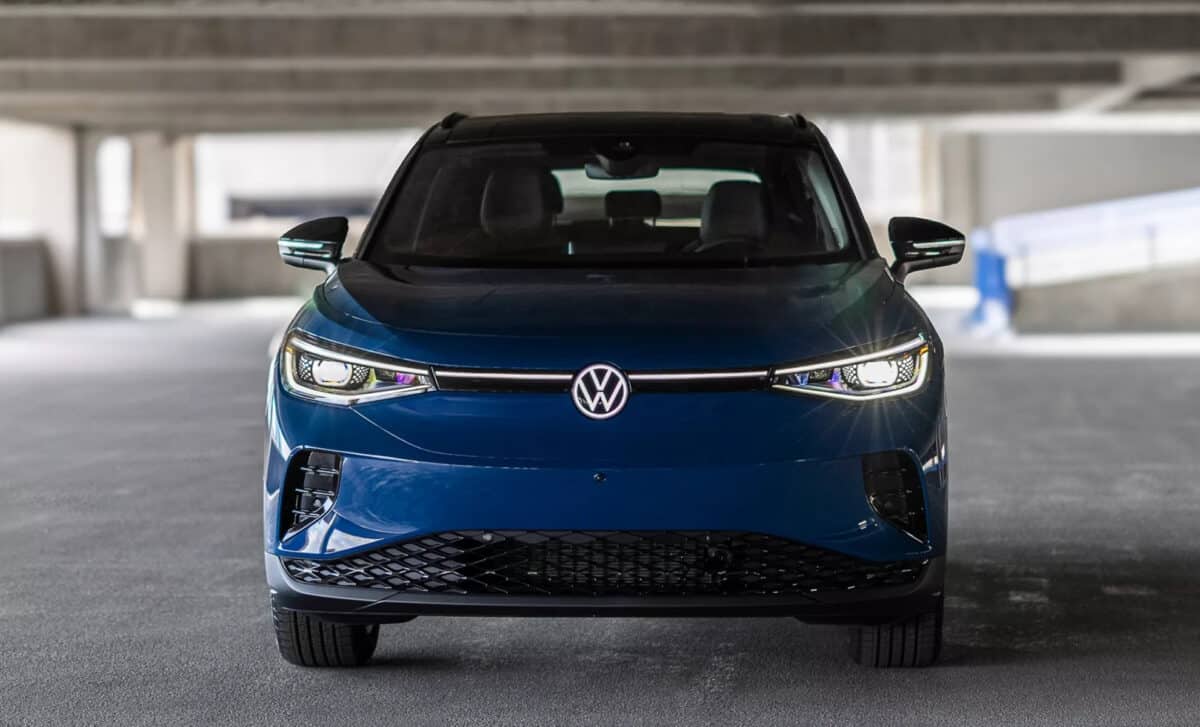
This move represents a strategic decision by Volkswagen to simplify and strengthen its brand identity as electric vehicles gain traction. Instead of creating separate identities for battery-powered models, the automaker is now blending its EV offerings into its main product line. The ID.4, launched in 2020 and sold globally since 2021, is scheduled to remain in production until 2031, and the redesign and renaming will likely be implemented during this lifecycle.
A Shift Toward Name Recognition
Volkswagen first indicated its naming overhaul last September. The change involves transitioning its ID-branded electric lineup, previously identified with numbers, into names already familiar to the public. The ID.2, for example, is expected to become the ID. Polo.
“Our model names are firmly anchored in people’s minds,” said Thomas Schäfer, CEO of the Volkswagen brand, during a press briefing last year. “They stand for a strong brand and embody characteristics such as quality, timeless design, and technologies for all.” Schäfer’s statement confirmed the company’s plan to carry these trusted names into the EV era.
This strategy reflects a desire to build continuity in the lineup, bridging consumer perceptions between electric and combustion models. According to Automotive News Europe, the ID. Tiguan name was disclosed at a press conference by IG Metall, underscoring that internal stakeholders have already been briefed on the upcoming branding change.
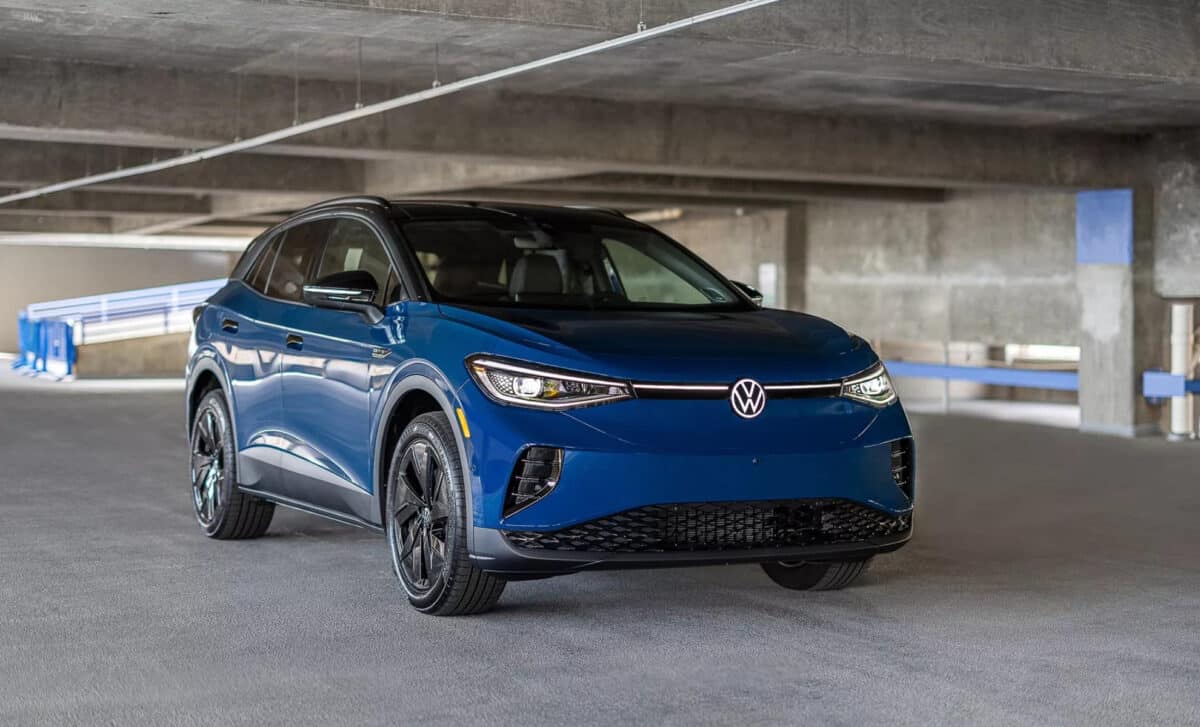
The ID.4 Enters New Phase with Redesign
The ID.4 marked Volkswagen’s first major electric crossover and has played a central role in the company’s electrification plans. First entering production in 2020, the model was designed to offer a mass-market EV alternative with the familiarity of a compact SUV. The upcoming refresh will mark the model’s first significant design overhaul since launch.
Volkswagen has not yet released official specifications or visuals of the updated ID.4, but sources confirm it will feature a “thorough” redesign alongside the possible adoption of the Tiguan name. Despite the rebranding, the vehicle is expected to maintain a styling identity consistent with the current model, minimizing disruption to existing brand recognition.
Motor1 notes that aligning the vehicle with the Tiguan name, the best-selling model in Volkswagen’s current combustion lineup, could help ease the transition for hesitant buyers. By tapping into the strength of an established product name, Volkswagen hopes to better integrate its EVs into mainstream buying decisions.
Industry-Wide Realignment of EV Branding
Volkswagen is not the only automaker rethinking how it brands electric vehicles. In recent months, several manufacturers have adjusted or abandoned previous EV-specific naming conventions in favor of simplified, integrated strategies.
Mercedes-Benz revealed earlier this year that it would drop the standalone “EQ” prefix for its EVs, instead using the label “EQ Technology” as a secondary tag. The goal: reduce segmentation and create cohesion between combustion and electric lineups.
Audi also announced changes to its strategy, abandoning its even-odd numbering structure in 2025 and unifying model names across powertrains. The brand now uses suffixes like E-Tron and TFSI to distinguish electric from internal combustion models without altering the base name. Similarly, Toyota renamed its electric bZ4X crossover to bZ and discontinued its “Prime” branding for plug-in hybrids.
This trend reflects growing awareness among automakers that excessive differentiation can confuse buyers rather than inform them. Reconnecting electric vehicles with familiar model names may help increase awareness and promote acceptance among consumers..