

Since returning to the White House, Donald Trump has pushed an openly anti-EV agenda, focusing not just on vehicles but on the infrastructure supporting them. The move to suspend the National Electric Vehicle Infrastructure Formula Program (NEVI), launched in 2021 under Joe Biden, marked a direct hit on the federal government’s EV ambitions. Now, a court has drawn a line.
The judgment delivered on January 23, 2026, by a federal judge in Seattle is the latest blow to Trump’s strategy to reverse his predecessor’s electric pivot. It also shows how the battle over decarbonization is increasingly being fought in U.S. courtrooms, not just in Congress or on campaign trails.
Federal Judge Rules Program Freeze Unlawful
The Trump administration’s decision to freeze the NEVI program has been ruled illegal. The judge found no legal basis for the federal government to suspend the disbursement of funds that had already been approved and allocated to states.
The NEVI program, short for National Electric Vehicle Infrastructure Formula Program, was passed by Congress in 2021. It was designed to help states install a robust, nationwide network of fast-charging stations. When the Department of Transportation stopped payments without congressional approval, legal action followed.
Twenty states, led by Democratic governors, along with the District of Columbia, took the case to federal court, arguing that the suspension was unlawful. The court has now agreed with them, prohibiting the administration from withdrawing funding or cancelling previously approved deployment plans.
EV Infrastructure Was an Early Target
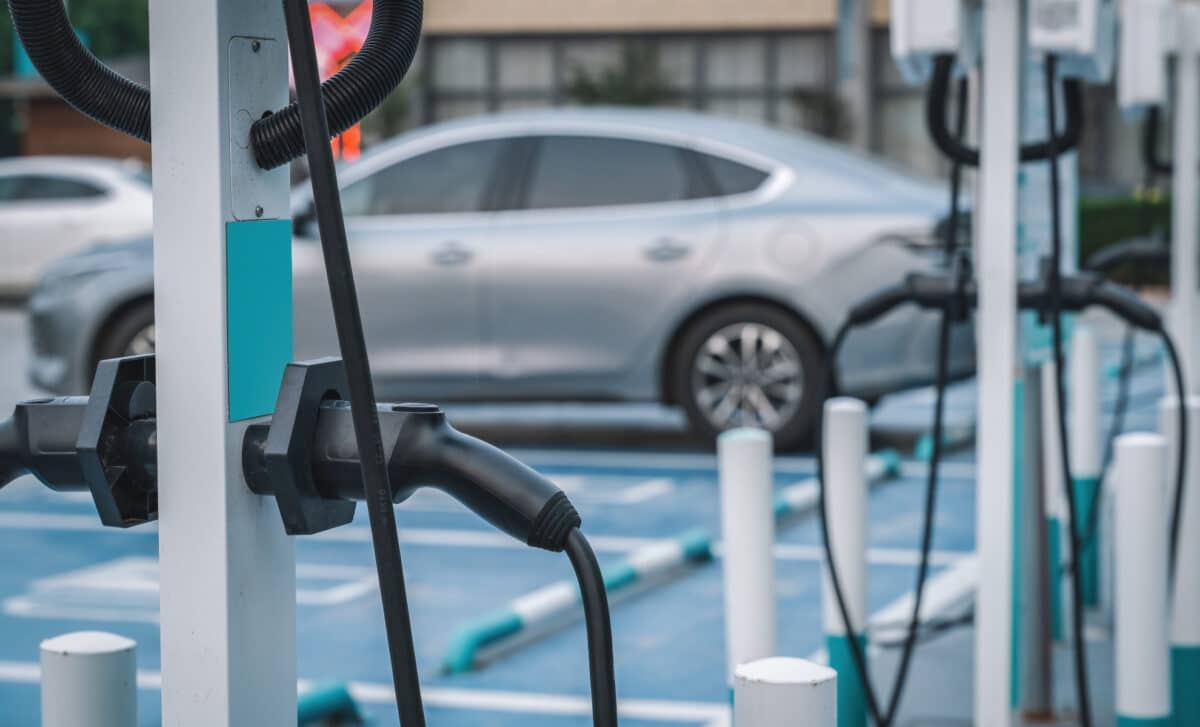
The freeze of NEVI wasn’t an isolated move. As early as February 2025, the Trump administration announced the shutdown of nearly 8,000 EV charging stations located in federal buildings. These were labeled “non-essential,” and plans were also floated to sell off electric vehicles owned by federal agencies.
The White House’s strategy has focused on dismantling long-term support structures for electric vehicles rather than attacking incentives or sales directly. By targeting infrastructure, the administration effectively undermined the foundation needed for broader EV adoption.
Cutting off funding to states made it harder to build a reliable, coast-to-coast charging network, an essential step in supporting a mass transition to electric vehicles.
Trump Changed the Rules After Previous Court Defeat
This isn’t the first time the courts have forced Trump to backtrack on EV policy. In mid-2025, a previous ruling had already required the administration to unblock the NEVI funds. But instead of relenting, the White House rewrote the program’s rules.
The new guidelines eliminated key requirements, such as placing chargers in rural or underserved communities, and removed several protections related to environmental and consumer standards. These adjustments allowed for a faster, but more selective, rollout, focusing only on areas the administration deemed a priority.
That marked a sharp shift from the program’s original goal of equitable access, reinforcing the idea that Trump’s approach was less about speeding up deployment and more about regaining political control over it.
The Courtroom Becomes the New Battleground
The latest ruling signals a broader shift in how EV policy is being contested in the United States. Trump has made it clear he favors thermal engines and plans to scale back federal support for electric vehicles. But the courts are becoming an increasingly powerful counterweight.
While the administration continues to push policies hostile to electrification, judges are stepping in to uphold existing laws and block overreach. Whether this will stop Trump from finding new ways to sidestep these rules remains unclear. But one thing is: the battle for the future of transportation in America is no longer just political, it’s legal.