Drivers dealing with choppy acceleration or repeated hard starts may first suspect clogged air filters or failing fuel injectors. Those components are common causes of engine performance problems, and their symptoms overlap heavily with the effects of contaminated gasoline.
The difficulty comes from the fact that bad fuel can trigger nearly identical behavior. Rough idling, poor fuel economy, hard starts, and even complete no-start situations may all point to gasoline that contains water or debris. Fuel that has been stored improperly for long periods can also lose volatility, creating combustion problems once it reaches the engine.
Timing After A Refill Can Reveal The Source Of The Problem
One of the clearest signs of bad gas is the timing of the symptoms. If the engine begins running poorly immediately after a refill, the fuel itself becomes a likely suspect.
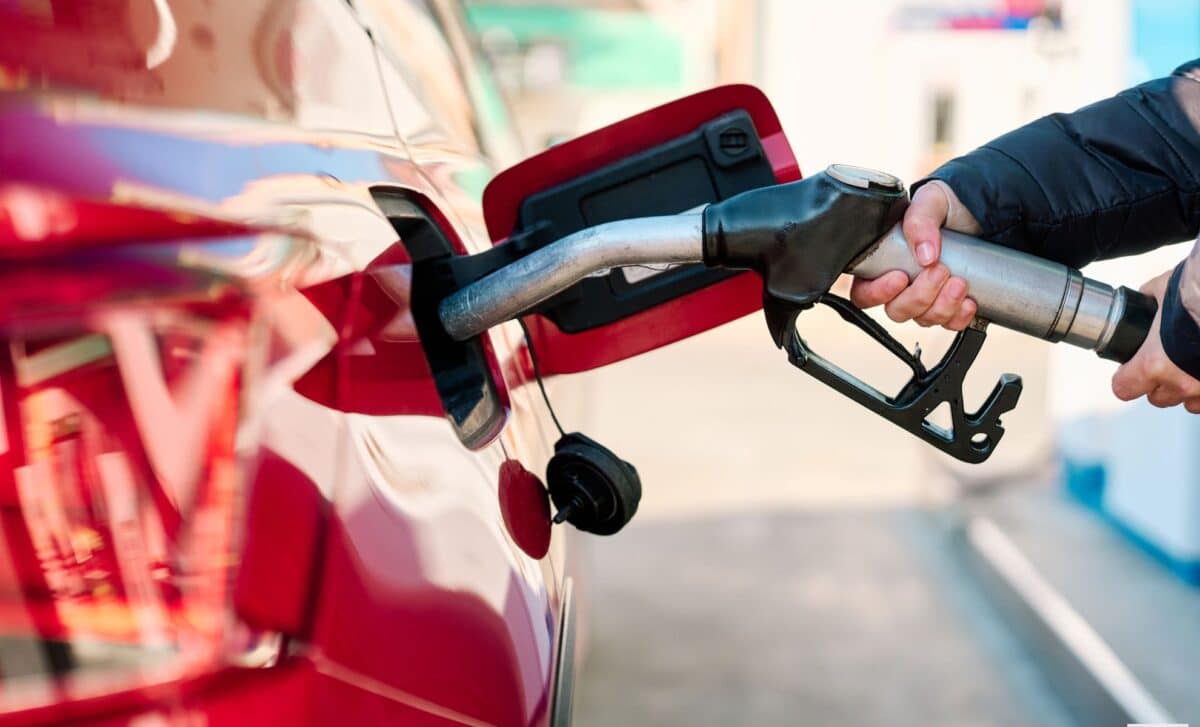
According to Jalopnik, drivers may reasonably blame the gas station if the issues appear right after filling up and disappear after topping off at another station. Reports from friends, relatives, or other drivers experiencing similar problems after using the same pump can further support that suspicion.
Without those clues, diagnosing the issue becomes more complicated because the symptoms can still resemble failing engine parts. Ruling out other causes is often necessary before fuel contamination can be confirmed.
Fuel Appearance And Smell Can Expose Contamination
Inspecting the gasoline directly is one of the ways to check its condition. Good gasoline is typically clear or lightly gold in color. Cloudy fuel or gasoline with a dark-gold appearance may indicate contamination.
The smell can also provide clues. Fuel with an unusual odor is considered another warning sign. Here is a simple way to check for water contamination: after allowing the fuel sample to sit for several minutes, water separates from the gasoline and settles at the bottom.
Obtaining a fuel sample is not always straightforward, though. Older vehicles often allowed fuel to be siphoned easily, while modern cars include anti-siphoning protections that complicate the process. Even commercial siphon kits may fail on certain vehicles.
Removing Bad Fuel Can Require More Complex Repairs
When siphoning does not work, accessing the fuel may require disconnecting the fuel line and activating the fuel pump manually. The source notes that this process varies depending on the vehicle and fuel delivery system, making it a task better suited for experienced mechanics.
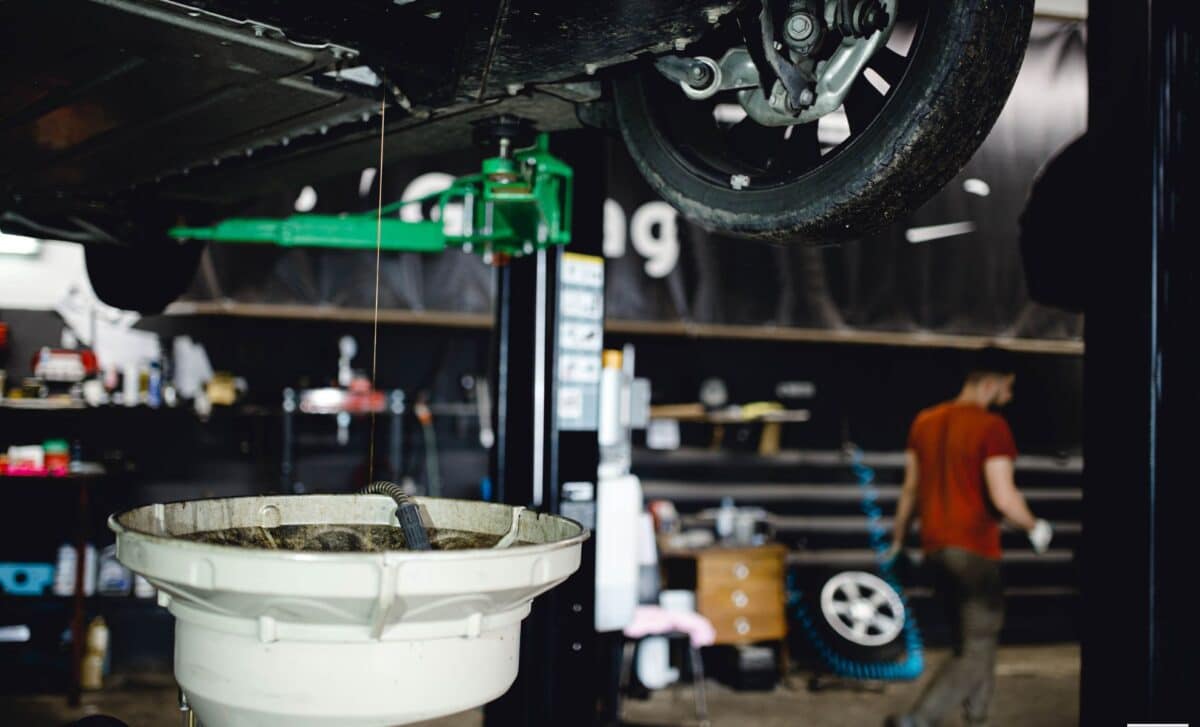
Once the quality of the gasoline has been confirmed, the next step is draining the tank. Vehicles equipped with a drain plug allow for a simpler drain-and-refill process. Cars without one may again require siphoning equipment or fuel-line access.
A faulty gas cap seal is another possible source of contamination. If the seal has deteriorated, water may seep into the fuel system and create the same drivability problems associated with bad gasoline.