
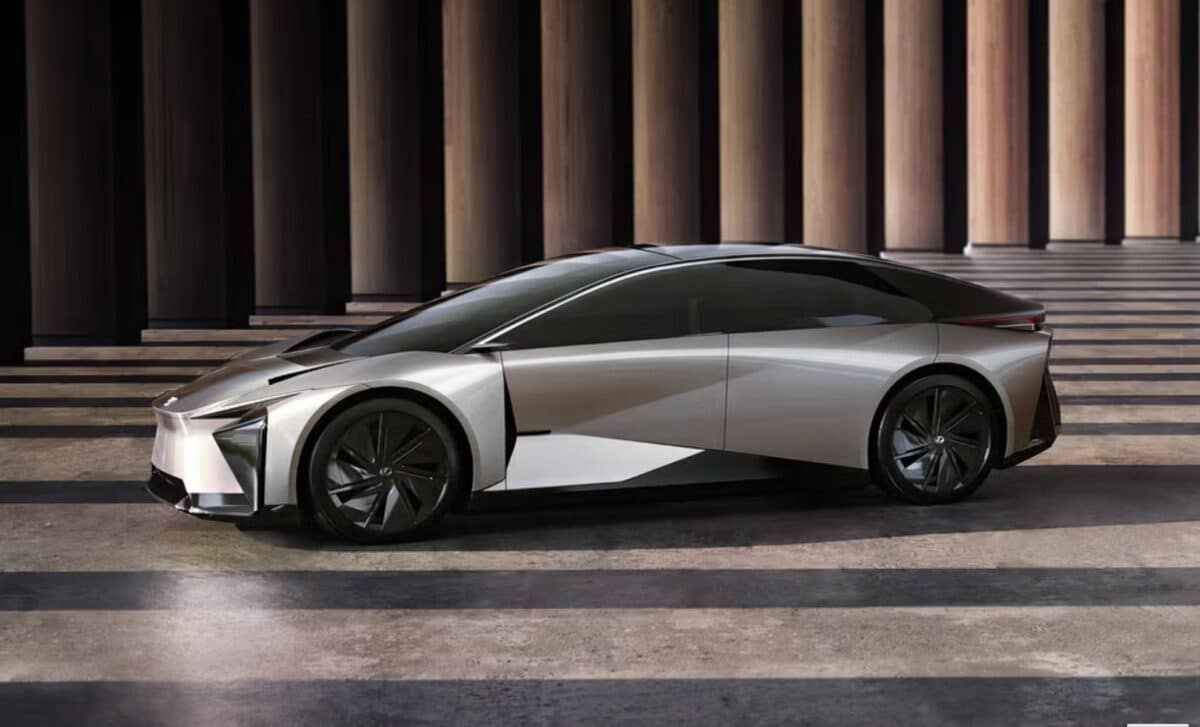
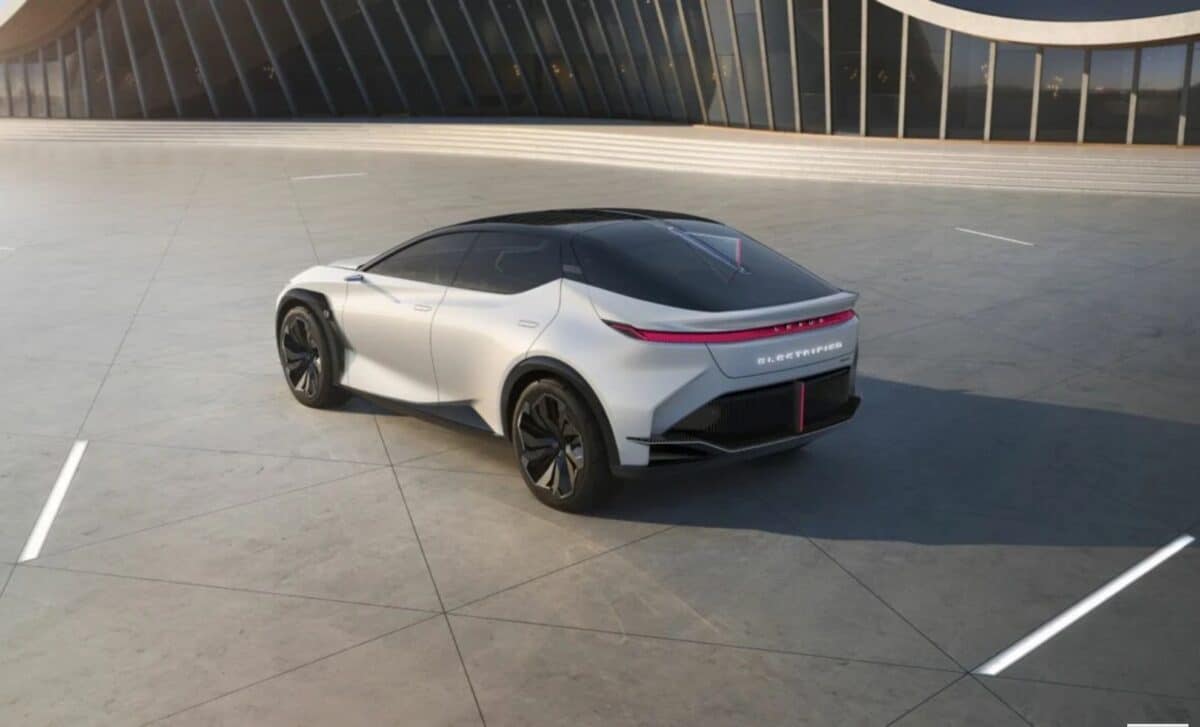
The LF-ZC was introduced as a future flagship electric sedan for Lexus and was scheduled to enter production in 2026. At the time of its debut, the model was presented as a showcase for new technologies, including significantly improved battery technology intended for the brand’s next generation of battery-electric vehicles.
The cancellation marks another adjustment in Toyota and Lexus’ EV strategy as the company reviews development priorities and manufacturing commitments. While the LF-ZC project has been discontinued, Lexus says the decision does not signal an end to its broader battery-electric vehicle ambitions.
Market Conditions And Development Demands Led To The Decision
According to Automotive News, a Toyota spokesperson said the company canceled the LF-ZC after “taking into account fluctuations in market demand and the workload associated with vehicle planning and manufacturing.”
The statement links the decision to both changing demand conditions in the electric vehicle sector and the resources required to bring a new model to market. The LF-ZC had been planned as a production vehicle based on a new electric architecture, making it a significant development project within Lexus’ future EV lineup.
The move comes as several automakers have reevaluated previously announced electric vehicle investments amid changing market conditions.
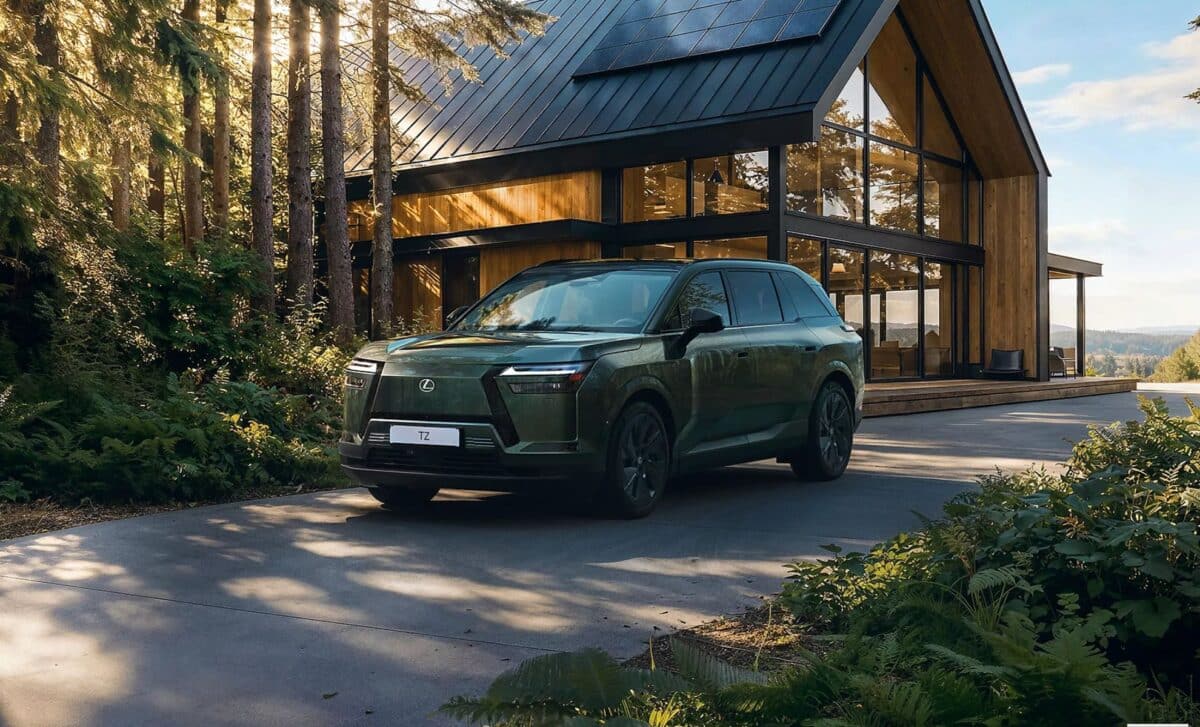
Lexus Recently Introduced The Electric TZ SUV
The cancellation of the LF-ZC follows the recent unveiling of the Lexus TZ, a three-row electric SUV. Unlike the LF-ZC, the TZ is built on Toyota’s modular TNGA-K platform.
Using the existing TNGA-K architecture reduces the costs associated with launching the vehicle and provides what was described as an easier path toward profitability. The contrast between the two projects highlights the different approaches Lexus has taken with its electric vehicle programs.
While the LF-ZC was intended to introduce a new dedicated electric platform and next-generation technologies, the TZ relies on an established platform already used within Toyota’s broader vehicle portfolio.
Lexus Says BEV Development Will Continue
Despite the cancellation, Lexus emphasized that development of future battery-electric vehicles remains part of the company’s plans.
“We decided to cancel the LF-ZC development project as part of a company-wide review of vehicle development projects,” a spokesperson for the brand told Automotive News. The spokesperson added: “The cancellation of this specific development project does not mean we have given up on developing next-generation BEVs.”
When contacted by Car and Driver, a Lexus spokesperson declined to directly confirm the report and instead provided a broader statement about the company’s product planning process.
“We routinely and continuously review and evaluate our product plans to achieve the optimal strategy, including the consolidation and reorganization of projects,” the statement said. “Toyota will continue to respond swiftly and attentively to changing times and needs, striving to build cars and provide experiences that exceed our customers’ expectations.”
The statements indicate that while the LF-ZC project has been discontinued, Toyota and Lexus continue to review and adjust vehicle programs as part of their ongoing product strategy.