Audi argues that adapting products to local markets is now a central part of its long-term strategy. The company points to China, where changing consumer preferences and growing competition from domestic manufacturers have accelerated this shift.
The automaker has already adjusted its vehicles for the Chinese market over the years, but it has recently taken an additional step by creating a separate brand dedicated exclusively to customers in China. Audi sees this approach as a response to major differences in consumer expectations across key global markets.
A Dedicated Brand Created Exclusively for the Chinese Market
Audi was the first luxury automaker to enter China in 1988, arriving six years before BMW and 17 years before Mercedes. It soon became clear that Chinese customers favored more spacious vehicles with larger rear seating areas, prompting premium manufacturers to introduce long-wheelbase versions of their global models produced locally.
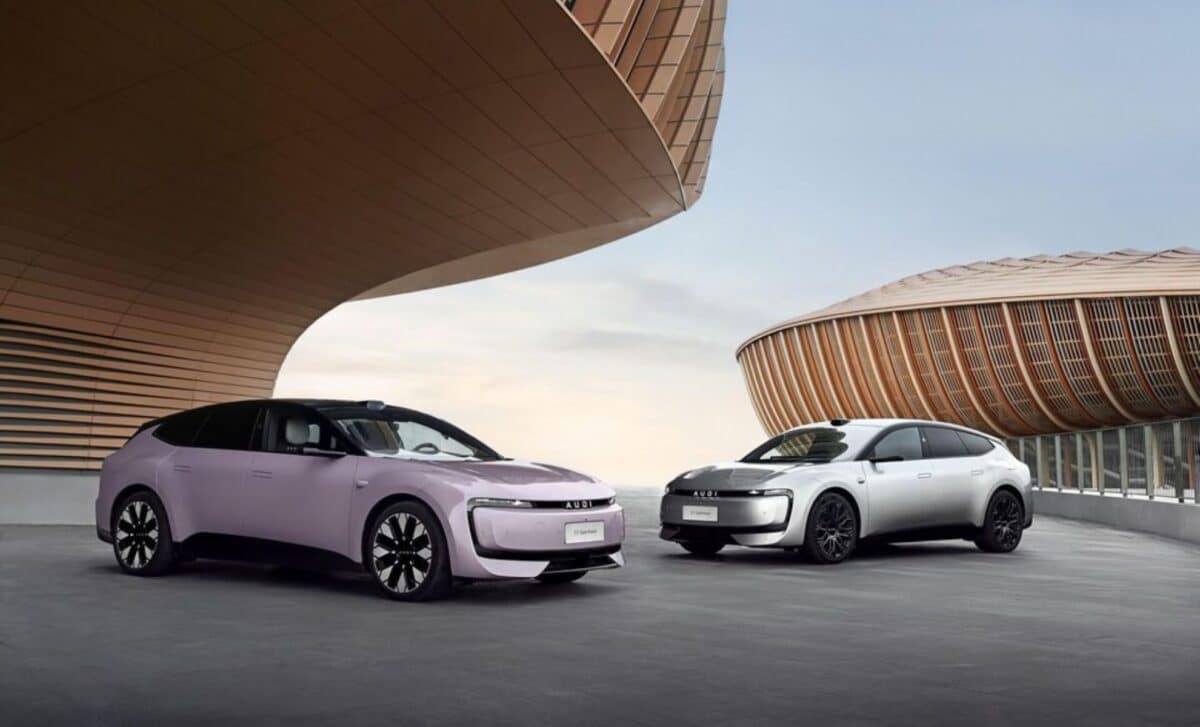
Audi has expanded this localization strategy through a partnership with SAIC by establishing a separate brand named AUDI, written entirely in capital letters and without the traditional Four Rings emblem. The new brand currently offers two models available only in China: the E5 Sportback and the E7X SUV. A sedan is also in development.
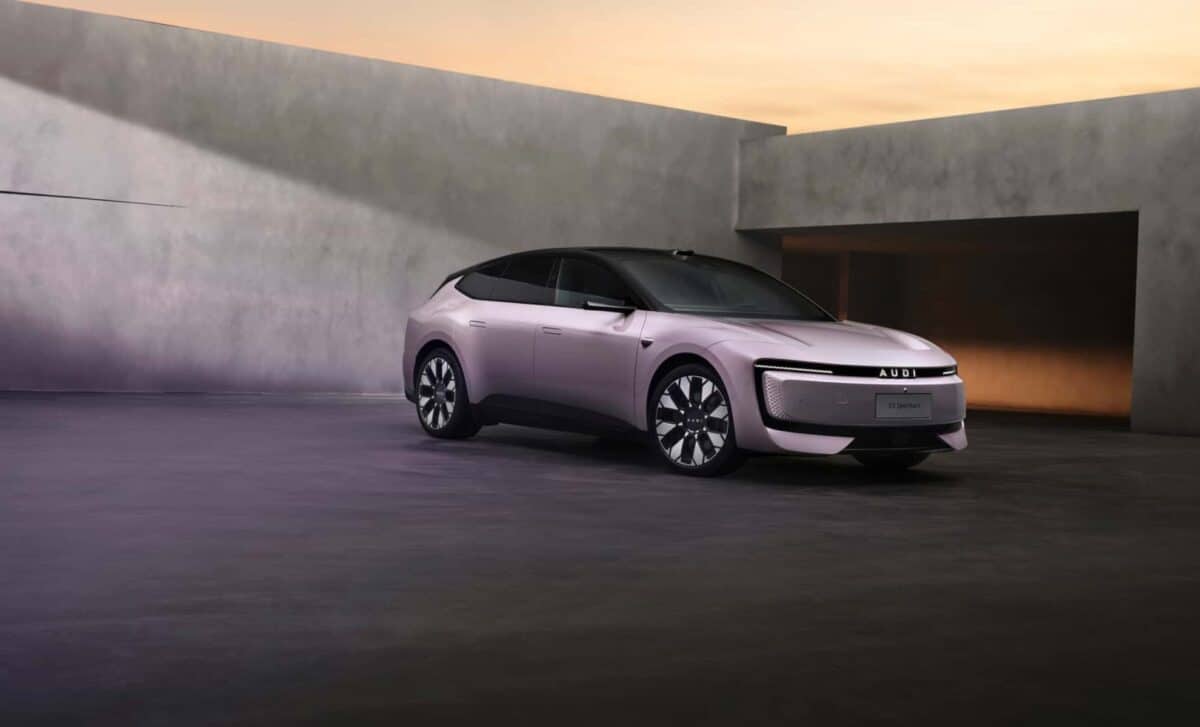
Audi Says Regional Differences Make a Single Global Vehicle Impossible
Audi’s chief technical officer, Rouven Mohr, believes that one vehicle can no longer satisfy customers in every major market.
“I think the idea of the global car – so one car that fits the world – this is gone, to be honest, because it’s not fitting anymore in the US (and) in China. You need this kind of local-for-local pillar,” Mohr said in an interview with the Australian publication GoAuto.
This view is shared by Ralf Brandstätter, head of Volkswagen’s brand in China. Last year, he said European customers prioritize tactile controls, long-term durability and driving dynamics, while Chinese buyers prefer AI-first connected vehicles with seamless voice control and smart cockpits.
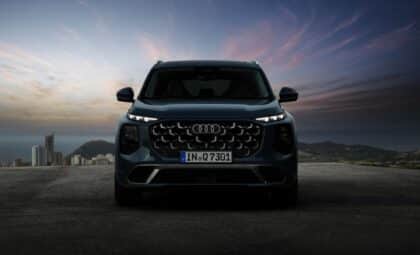
Audi also makes clear that this strategy does not replace its existing lineup in China. Models carrying the traditional Four Rings badge will continue to be sold for customers seeking established nameplates and what the company describes as their German character. At the same time, Mohr believes future growth is likely to come from the AUDI brand, whose vehicles feature completely different exterior and interior designs.
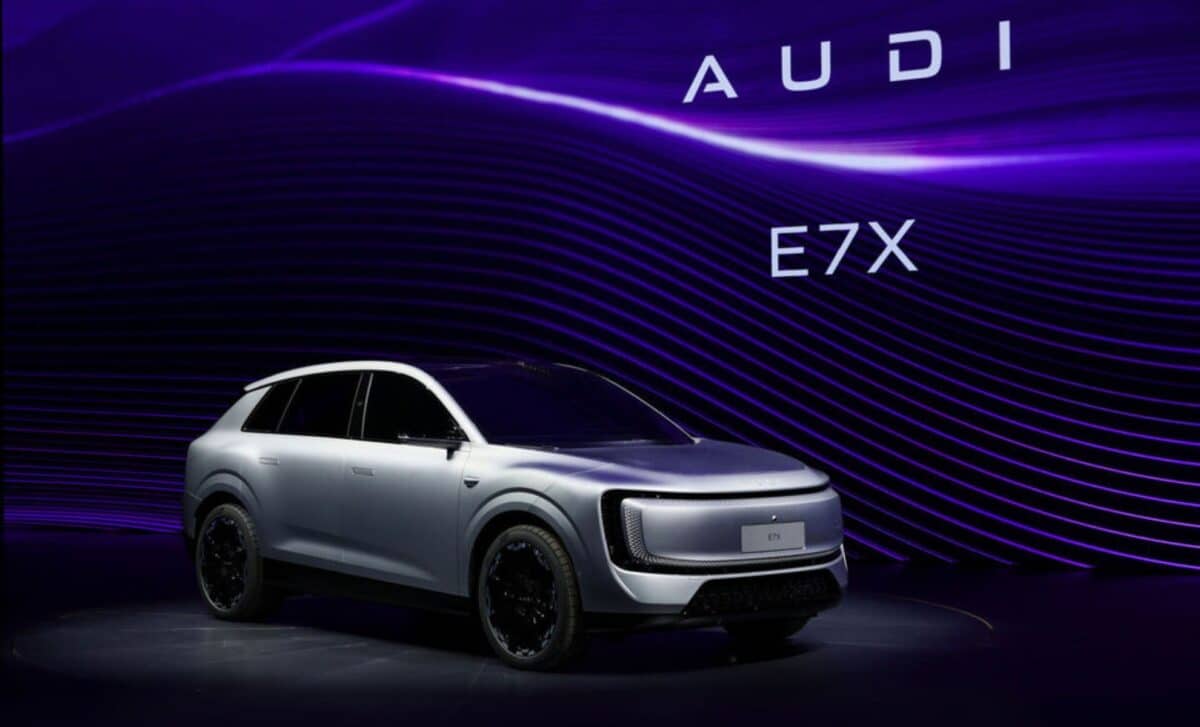
Design Changes Extend Beyond China as Audi Updates Its Lineup
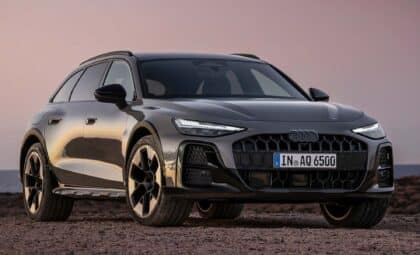
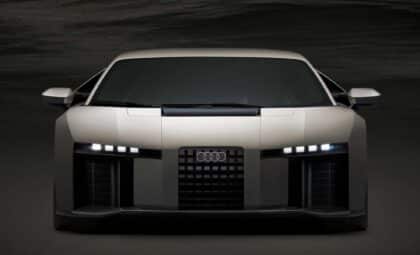
The design changes introduced for AUDI models are also influencing the core Audi brand. The company has already showcased its new design language through the Concept C and Nuvolari sports car concepts.
The electric A4 is expected to become the first mass-production model to adopt this styling when it arrives in 2028. Audi says its “Strive for Clarity” philosophy also includes interior revisions aimed at improving perceived quality while bringing back more physical switchgear.
Competition in China has intensified as domestic automakers have significantly strengthened their position over the past two decades. The publication states that local manufacturers now offer less expensive vehicles that are often better equipped, increasing pressure on established premium brands such as Audi, BMW and Mercedes.