
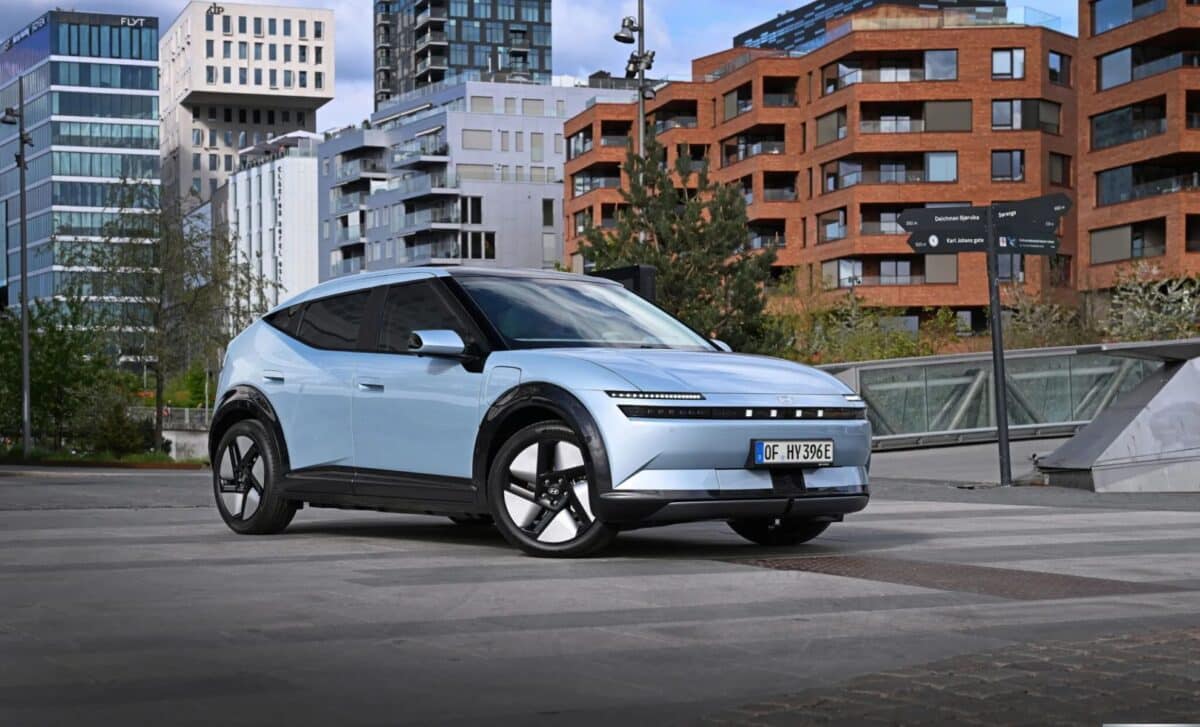
The model is positioned as an “Aero Hatch,” combining elements of hatchback, fastback, and crossover body styles. This broader design approach is part of Hyundai’s effort to shape a new generation of compact electric vehicles aimed at European driving conditions and expectations.
Hyundai’s latest images highlight how the production-ready lineup is beginning to take shape after the initial reveal phase in April. The focus now shifts from performance styling to a more balanced and comfort-oriented configuration.
Exterior Design Shifts Toward Cleaner Surfacing
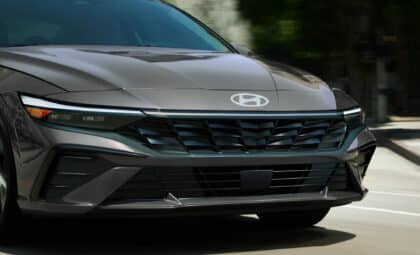
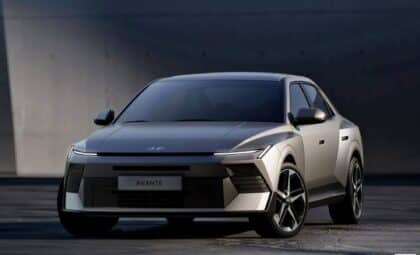
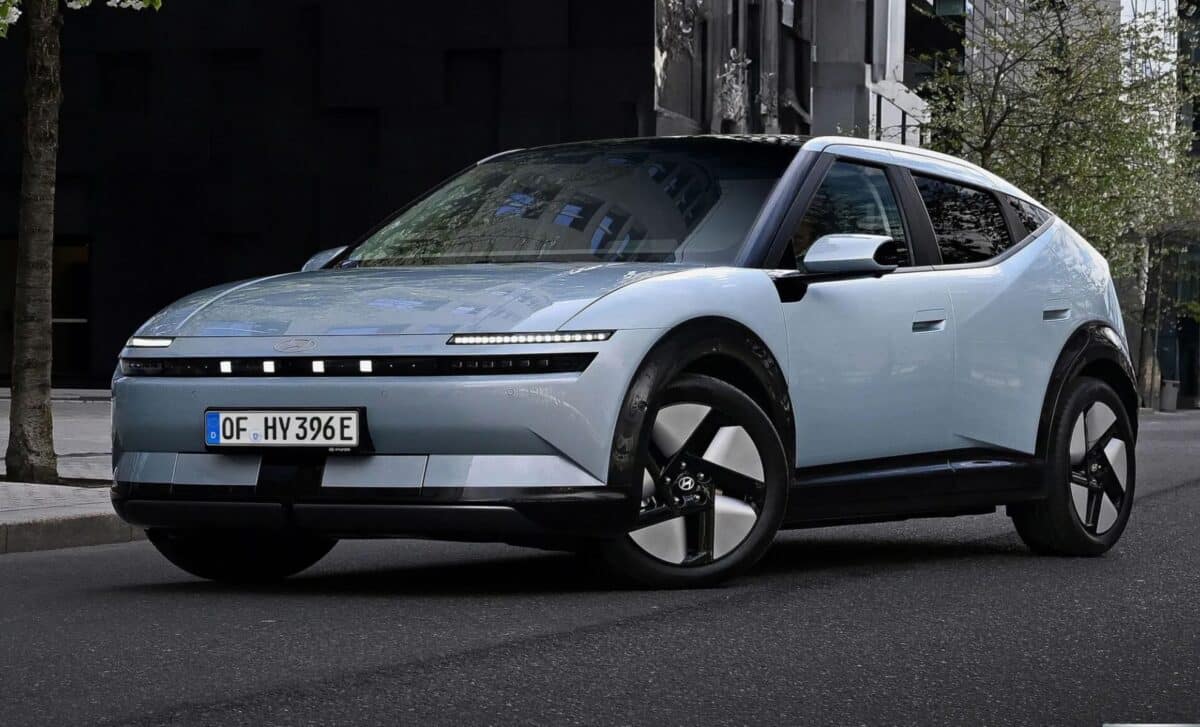
The standard Ioniq 3 moves away from the sharper visual cues seen on the N Line version. The front bumper features cleaner surfacing and an active intake, replacing the more aggressive openings and black trim elements used on the sportier model.
Signature lighting remains unchanged, with split LED headlights and the four-dot light signature integrated into a slim grille design. Along the sides, the differences become more visible through body-colored mirrors and smaller alloy wheels, offered between 16 and 18 inches, compared to the 19-inch wheels fitted on the N Line.
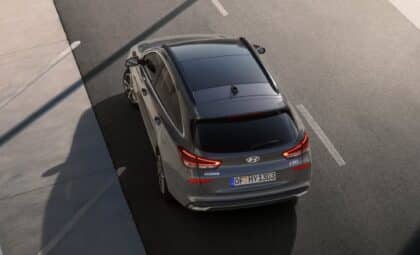
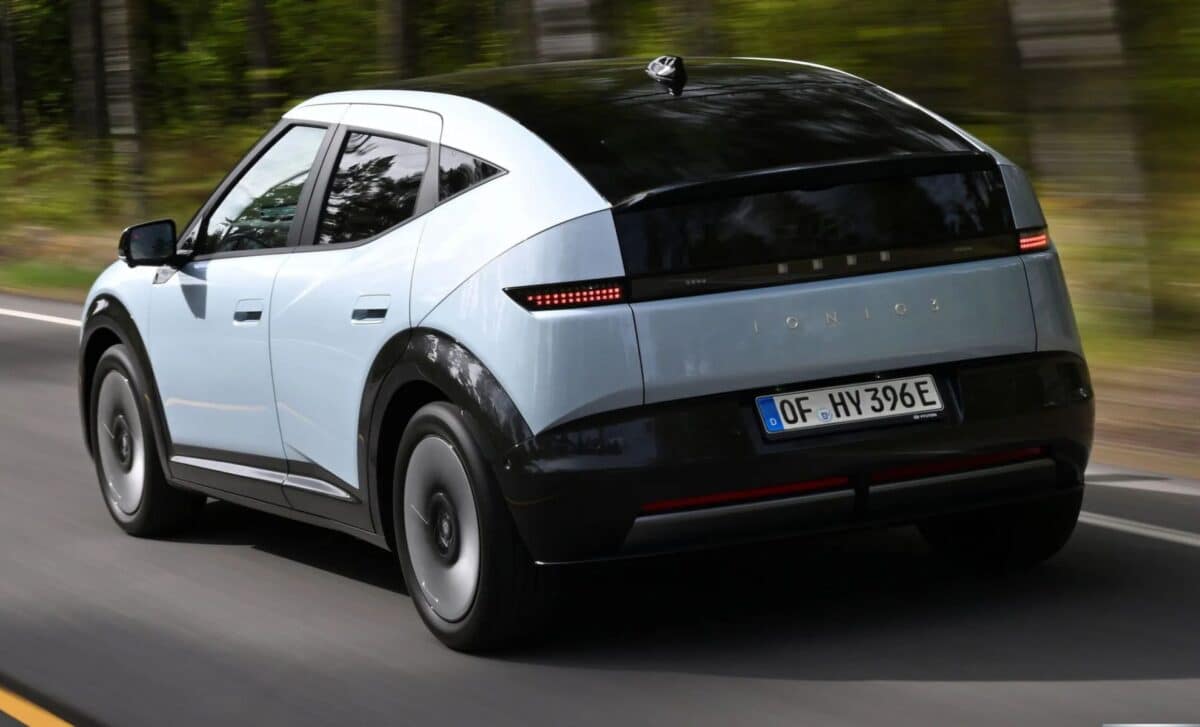
At the rear, the changes continue with a reduced-size spoiler integrated into the double windshield setup. The rear bumper also adopts a simpler diffuser design, removing the side fins seen on the sport-oriented variant, resulting in a more understated appearance overall.
Interior Layout Adopts Lighter Tones And New Software System
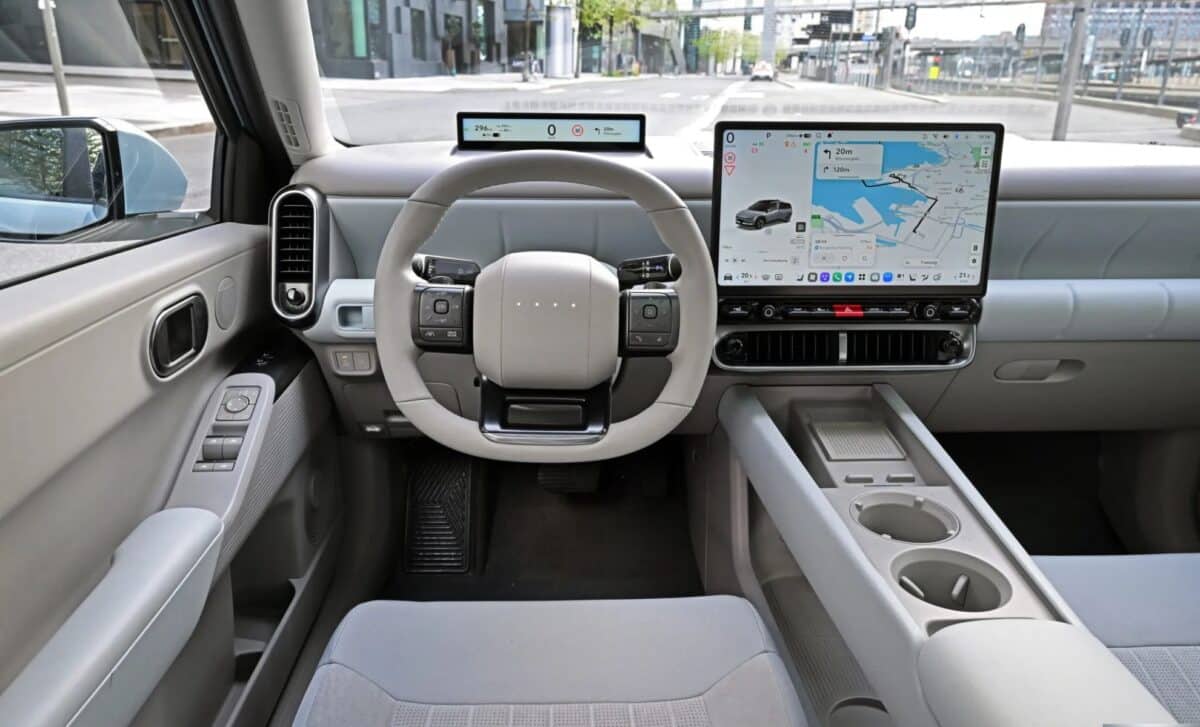
Inside, the cabin shifts away from the darker black and red theme of the N Line version. The standard model introduces lighter color choices, following what Hyundai calls its “Furnished Space” design philosophy, which focuses on comfort and perceived material quality.
A major update is the introduction of Pleos Connect, an Android-based infotainment system. The touchscreen is available in 12.9-inch or 14.6-inch sizes depending on trim level, and it can be paired with a slim digital instrument cluster. The system is launching in a European model following its earlier appearance in the facelifted Grandeur in South Korea, according to Hyundai.
The digital ecosystem also expands through the Pleos App Market, which will offer 30 third-party applications at launch. Hyundai expects more apps to be added later. A new voice system called Gleo AI is also integrated, designed to support more natural conversational interaction.
Powertrain Options And Production Details Confirmed For Europe
The Ioniq 3 will launch with two single-motor variants: Standard Range and Long Range. The entry-level version produces 144 hp (108 kW / 147 PS) and uses a 42.2 kWh battery, delivering a WLTP range of 214 miles (344 km).
The Long Range model uses a larger 61 kWh battery paired with a 133 hp (100 kW / 135 PS) motor, allowing up to 308 miles (496 km) of WLTP range. Both versions are built on a 400-volt E-GMP architecture shared with the Kia EV3 and EV4.
According to Carscoops, production is scheduled at Hyundai’s Izmit plant in Turkey, with first deliveries expected in the third quarter of 2026. Pricing for the European market has not yet been announced, while future expansion of the range may include a performance-oriented N-branded variant with a dual-motor setup, as indicated by Hyundai.