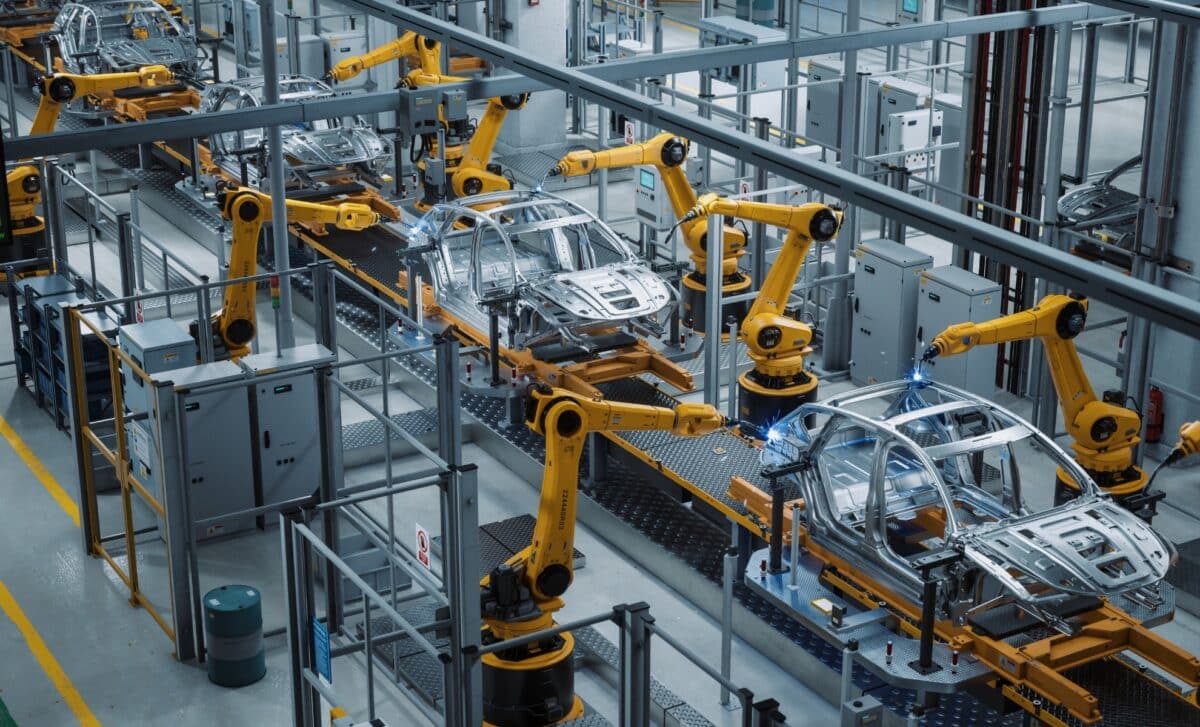
The car industry has only recently emerged from the semiconductor shortages that disrupted production between 2020 and 2022. That episode, driven largely by a lack of microcontrollers and logic chips, forced manufacturers to idle factories and delay deliveries worldwide. Now, the tension is forming in a different segment of the chip market: memory.
Leading memory producers are reallocating output toward high-performance components destined for AI data centers, where margins are higher. At the same time, vehicles are becoming increasingly dependent on large volumes of memory, creating a potential imbalance in supply and demand.
Ford Flags Early Price Pressure
The first public signs of strain have come from within the industry itself. During a recent conference dedicated to automotive technologies and semiconductors, Ford’s chief financial officer acknowledged pressure on memory chip prices due to global scarcity.
According to Automobile Magazine, Ford indicated that it currently has sufficient volumes to maintain production. Still, the company has already incorporated this pricing tension into its financial outlook. The statement stops short of announcing a shortage, but it echoes the cautious signals that preceded the previous crisis.
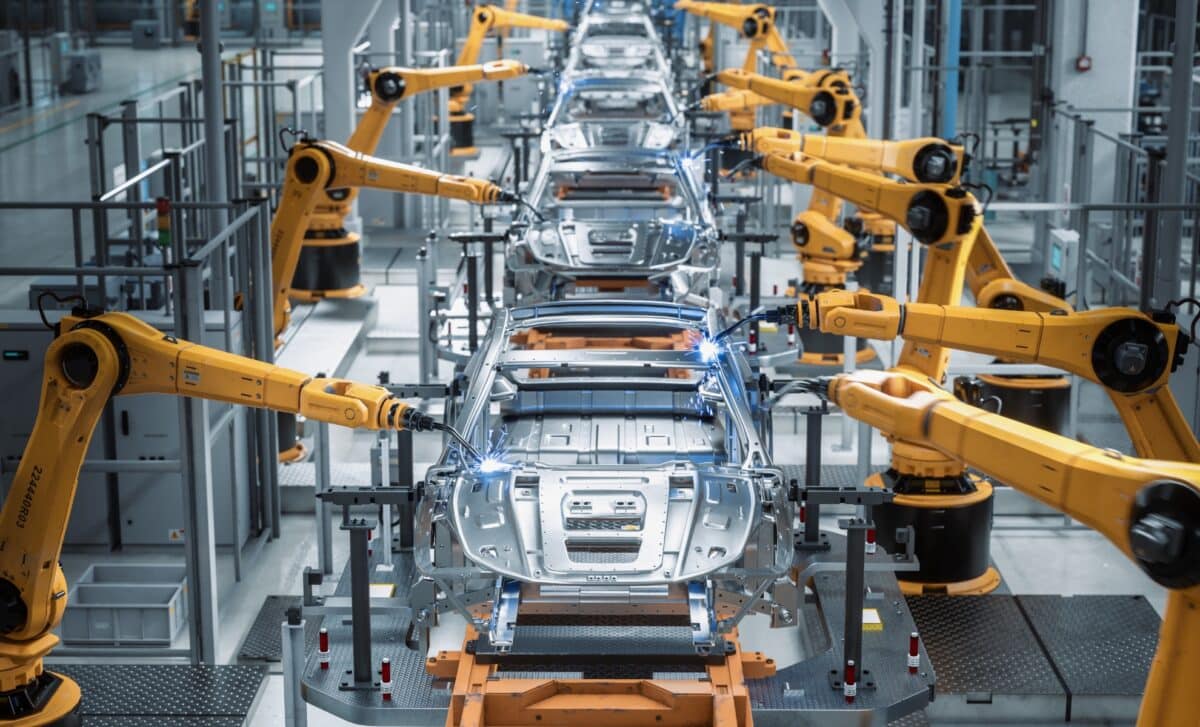
In 2021, global vehicle production dropped by around 21 percent as semiconductor shortages deepened. Some manufacturers were forced to park tens of thousands of unfinished vehicles while awaiting essential components. That crisis mainly involved microcontrollers and logic chips required for fundamental vehicle operations, a different category from today’s memory concerns.
Cars Are Demanding More Ram Than Ever
The technological profile of modern vehicles has shifted significantly. Advanced driver assistance systems, multiple digital displays, and increasingly complex electronic architectures are now standard across many models.
In 2023, an average vehicle was estimated to embed approximately 90 gigabytes of memory across its modules. That figure could nearly triple by 2026. Mandatory ADAS systems in Europe and the development of so-called software-defined vehicles are key drivers of this expansion.
Some onboard systems already rely on memory capacities comparable to those of a laptop computer. Although automotive memory is not identical to the memory used in AI servers, both types are produced by the same major suppliers and depend on similar industrial infrastructure. The automotive and AI sectors are effectively drawing from the same manufacturing base.
AI Data Centers Reshape Supplier Priorities
The global memory market is dominated by three companies: Samsung, SK Hynix, and Micron. Faced with surging demand from AI data centers, these manufacturers are reallocating part of their production toward higher-value, high-performance memory designed for training and operating AI models.
This shift does not represent a generalized semiconductor shortage. Rather, specific memory categories are tightening because AI customers are willing to pay more and are absorbing increasing volumes. For automakers, this dynamic reduces available supply for other uses and intensifies price pressure.
Analysts have already pointed to preventive purchasing strategies within the automotive sector, aimed at securing stock before tensions escalate. For now, no disruption comparable to the 2020–2022 crisis has been officially recorded. Yet the industrial balance is evolving, and car manufacturers are finding themselves increasingly dependent on a memory market driven primarily by global digital infrastructure..