
Electric vehicles have long been caught in a balancing act between range, charging time, and battery longevity. While steady progress has been made, a new announcement from Chinese battery giant CATL could signal a major shift in how these trade-offs are understood, and managed.
On paper, CATL’s new 5C battery claims to achieve what most current EV packs struggle with: enduring ultra-fast charging on a regular basis without significant degradation. It’s a bold promise, and one that could have long-term implications for the electric mobility landscape.
Charging in Twelve Minutes, Lasting for 1.8 Million Kilometers
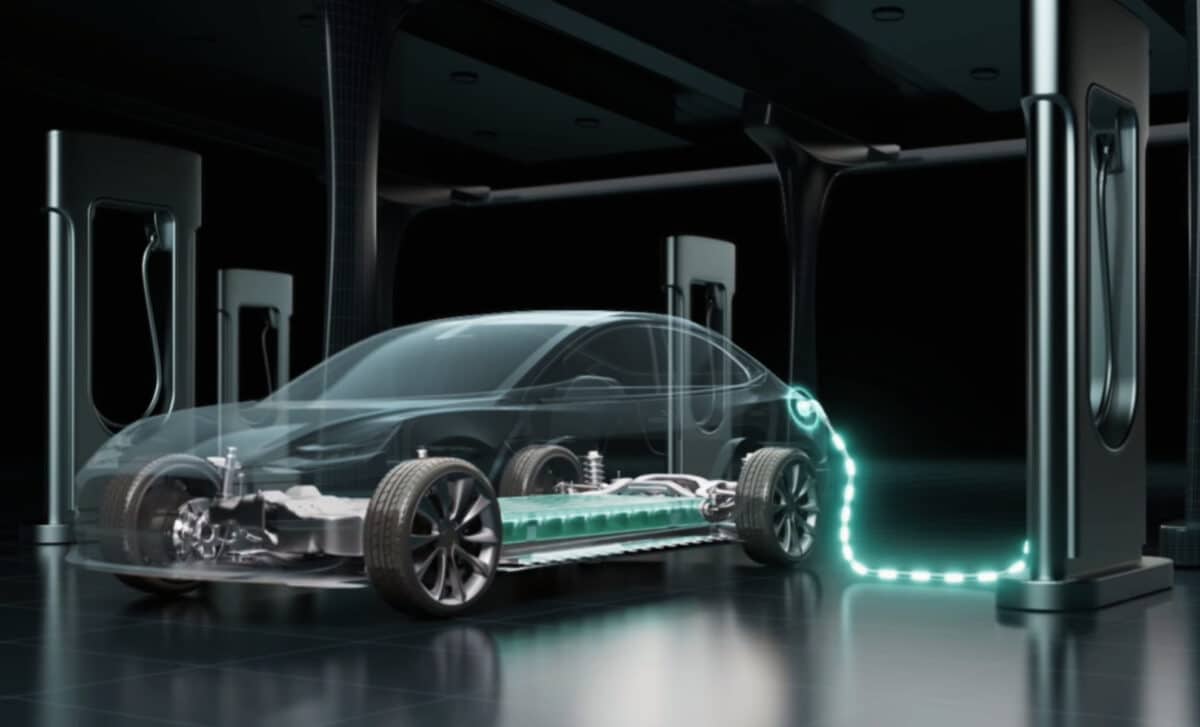
According to CATL’s official release, the 5C battery is capable of accepting a charging power five times its capacity. In practical terms, this would mean charging an 80 kWh battery at up to 400 kW, enough to take it from 0 to 100% in about 12 minutes. What’s more striking is that CATL says this speed doesn’t come at the expense of battery health, according to L’Automobile Magazine.
Lab data suggests the new cells retain at least 80% of their capacity after 3,000 full cycles at 20°C, translating to approximately 1.8 million kilometers for an EV with a 600 km range. Even under extreme thermal stress, 60°C, comparable to summer in Dubai, the battery is said to maintain this threshold for 1,400 cycles, or around 840,000 km.
A Shift From Autonomy to Durability
While many EV buyers still focus on range anxiety, CATL appears to be repositioning the conversation. As reported by CarNewsChina, this battery isn’t primarily about increasing how far a car can drive on a single charge. It’s about how often and how rapidly it can be recharged, and how long it lasts under stress.
The idea that fast charging significantly reduces battery life is one of the main concerns among current EV users. In the used car market, vehicles that have been DC fast-charged less frequently often fetch a higher price. CATL is now challenging this assumption directly.
The company claims its 5C technology is six times more durable than average lithium-ion packs on the market today. Whether that metric holds in real-world usage remains to be seen, but the implication is clear: fast charging might not have to be a compromise anymore.
The Science Behind the Claims
Several innovations underpin the battery’s durability. CATL highlights a denser and more uniform cathode coating, which helps minimize degradation during high-speed charge and discharge cycles. The liquid electrolyte includes a repair additive that can seal microcracks, reducing irreversible lithium loss.
Another novel element is a temperature-responsive agent applied to the separator, designed to adjust ion flow when local temperatures rise, effectively moderating heat build-up. This is particularly important for batteries operating under repeated fast-charging cycles, where thermal runaway risks are higher.
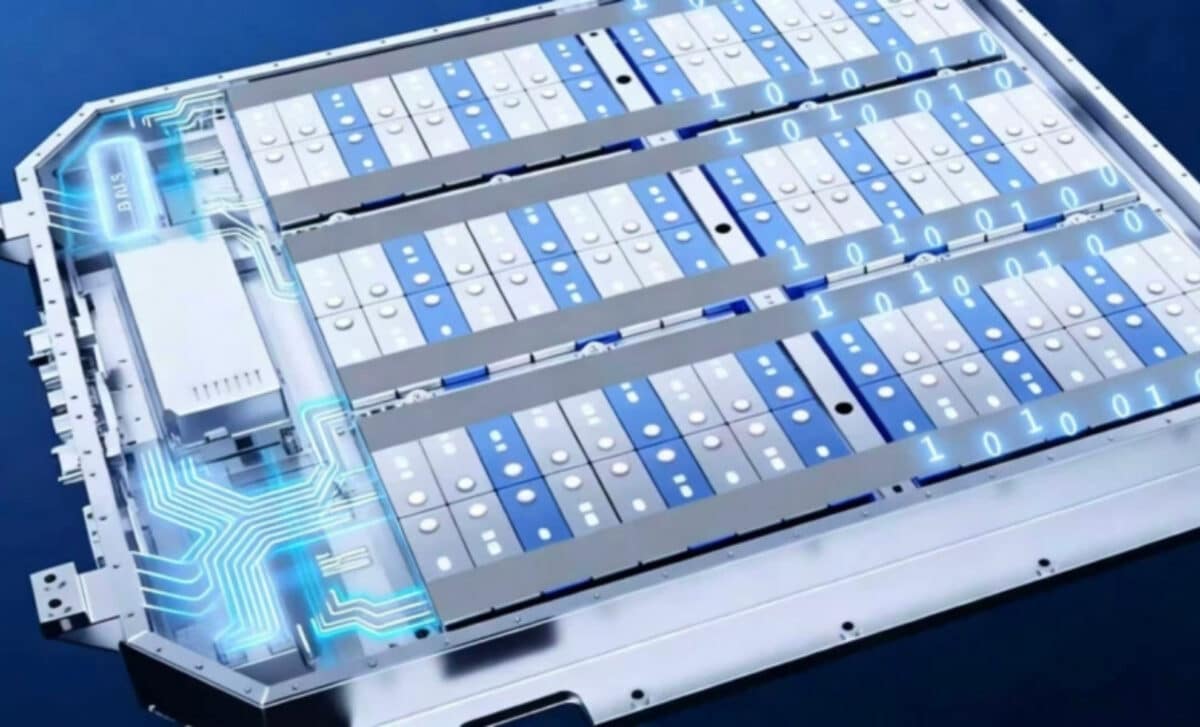
Beyond chemistry, CATL has also redesigned the battery management system. Instead of cooling the entire pack evenly, it targets specific hotspots, aiming for better thermal efficiency and reduced wear.
Real-World Deployment Remains Uncertain
As of early February 2026, no production timeline has been announced. CATL hasn’t specified which automakers or vehicle models will receive the 5C battery first. Early use cases may focus on high-frequency usage fleets such as taxis, heavy-duty trucks, or ride-hailing EVs, scenarios where charging speed and battery life are paramount.
The company also continues to explore parallel technologies, including sodium-ion and solid-state batteries, and is expanding manufacturing presence in Europe through partnerships, including one with Stellantis.
This 5C development follows the launch of CATL’s Qilin 4C battery in 2023 and may be part of a broader strategic arc aiming to define the next era of EV performance benchmarks.
What’s at Stake Isn’t Speed, It’s Trust
If CATL’s battery lives up to its specifications in production models, it could remove one of the last major psychological barriers to widespread EV adoption: the fear that fast charging shortens a vehicle’s usable life. That said, the real test will come with usage in diverse climates, real traffic patterns, and with drivers who may not always follow ideal charging habits.
What this new battery suggests, more than anything, is that the EV conversation may soon pivot. Not just from combustion to electric, or range to efficiency—but from worrying about battery damage to trusting that a charge won’t cost you years of life down the line.
One breakthrough doesn’t erase decades of habits, but it might be enough to start reshaping them.