
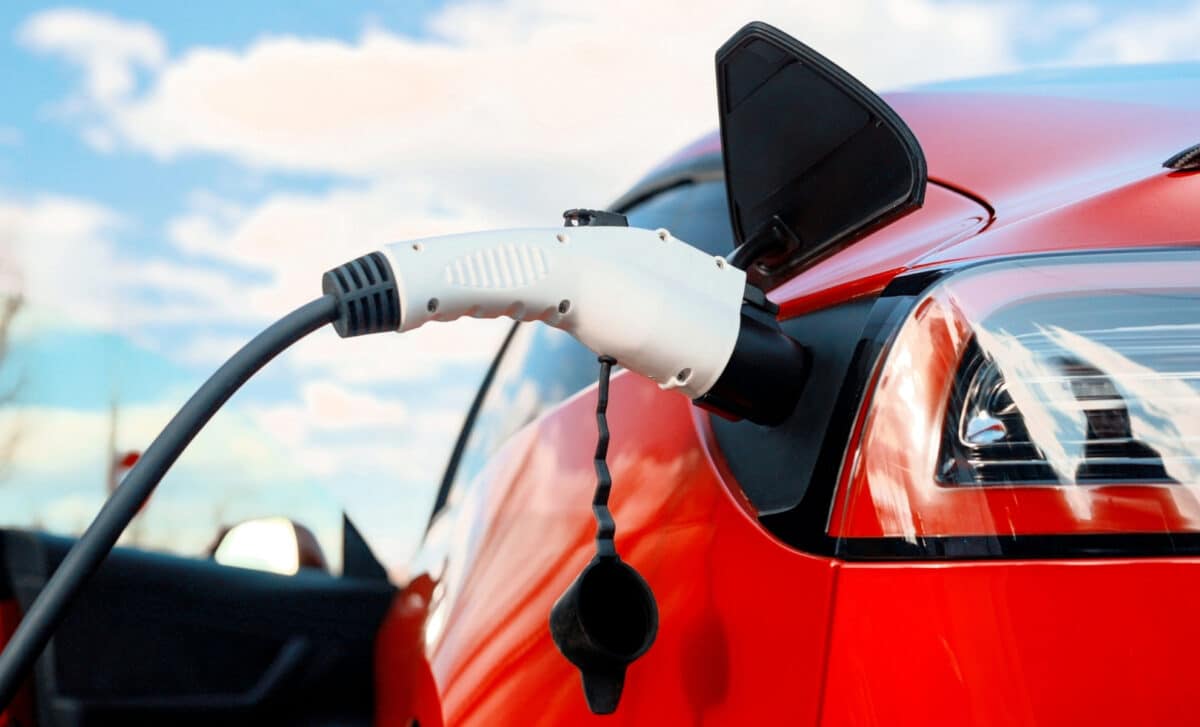
According to the European Automobile Manufacturers’ Association (ACEA), EVs claimed 22.6% of new-car registrations, just edging out gasoline vehicles at 22.5%. Once extended to include the United Kingdom and EFTA countries (Iceland, Liechtenstein, Norway, and Switzerland), the gap between the two categories became even more significant. In this broader market, EVs reached a 26.3% market share in December, compared to gasoline’s 21.7%.
This moment is part of a wider pattern that contradicts recent pessimistic narratives about the global EV market. Electric vehicle demand grew across almost every region in 2025, except North America. Benchmark Mineral Intelligence data confirms that global EV sales rose 20% to 20.7 million units, with China alone accounting for 12.9 million of those, a 17% year-over-year increase. Europe, however, now seems to have entered a new phase of transition.
Hybrids Lead the Charge over the Full Year
Despite EVs’ December peak, hybrids were the dominant powertrain choice throughout 2025 in the EU+UK+EFTA zone. They accounted for 34.4% of all new car sales, according to figures shared by the European Automobile Manufacturers’ Association (ACEA). Gasoline vehicles followed with 26.1%, while electric models closed the year with a 19.5% market share.
The data reveals clear momentum for electrified transport, but also highlights that EVs are not yet the top choice for most drivers across the full year. Plug-in hybrids gained ground as well, surpassing diesel vehicles for the first time by reaching a 9.6% market share.
Diesel’s decline continued, sliding to 7.7% from 10.4% the previous year. This steady fall comes after a peak over a decade ago, which began to unravel following the Dieselgate scandal and a widespread industry pivot away from diesel engines in smaller models.
Tesla Leads, Volkswagen Gains Ground
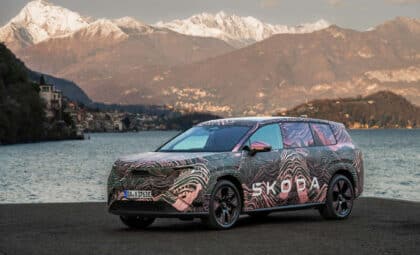
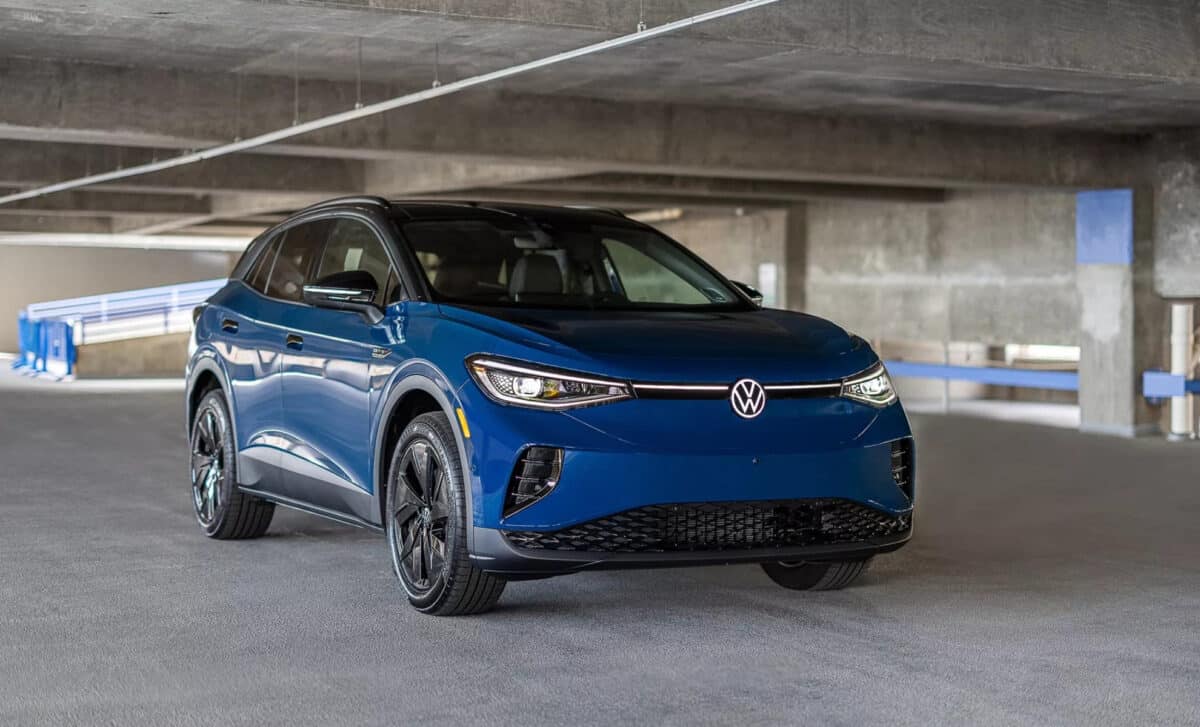
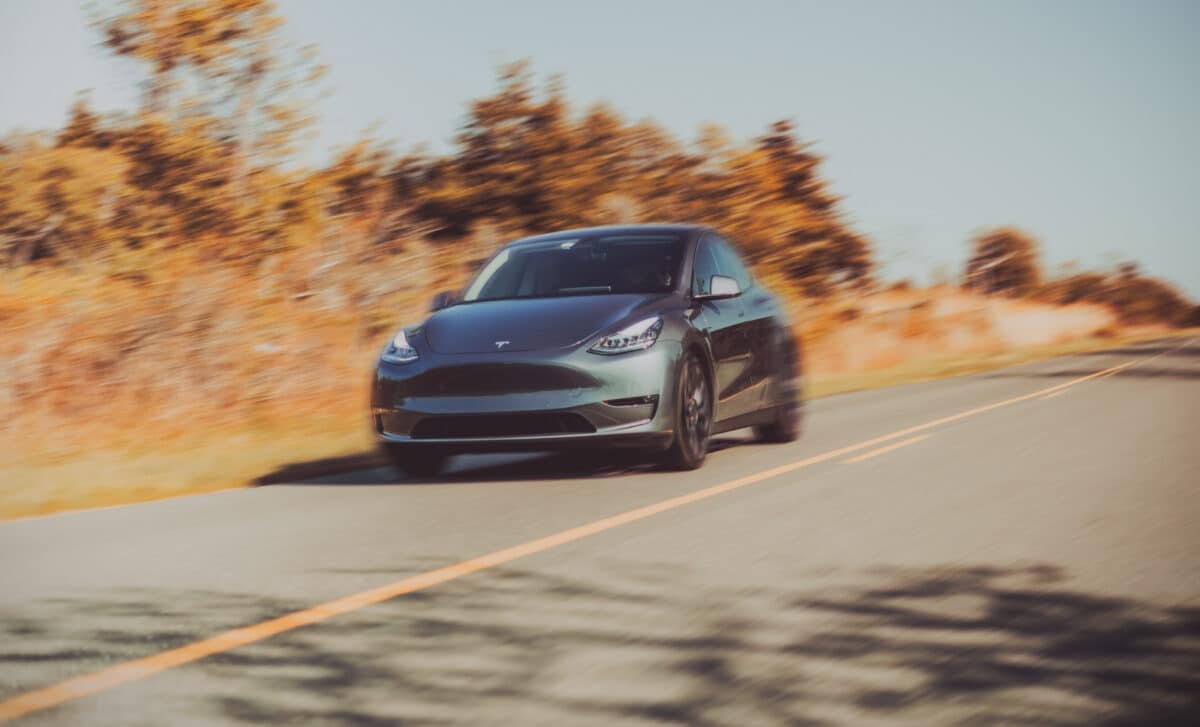
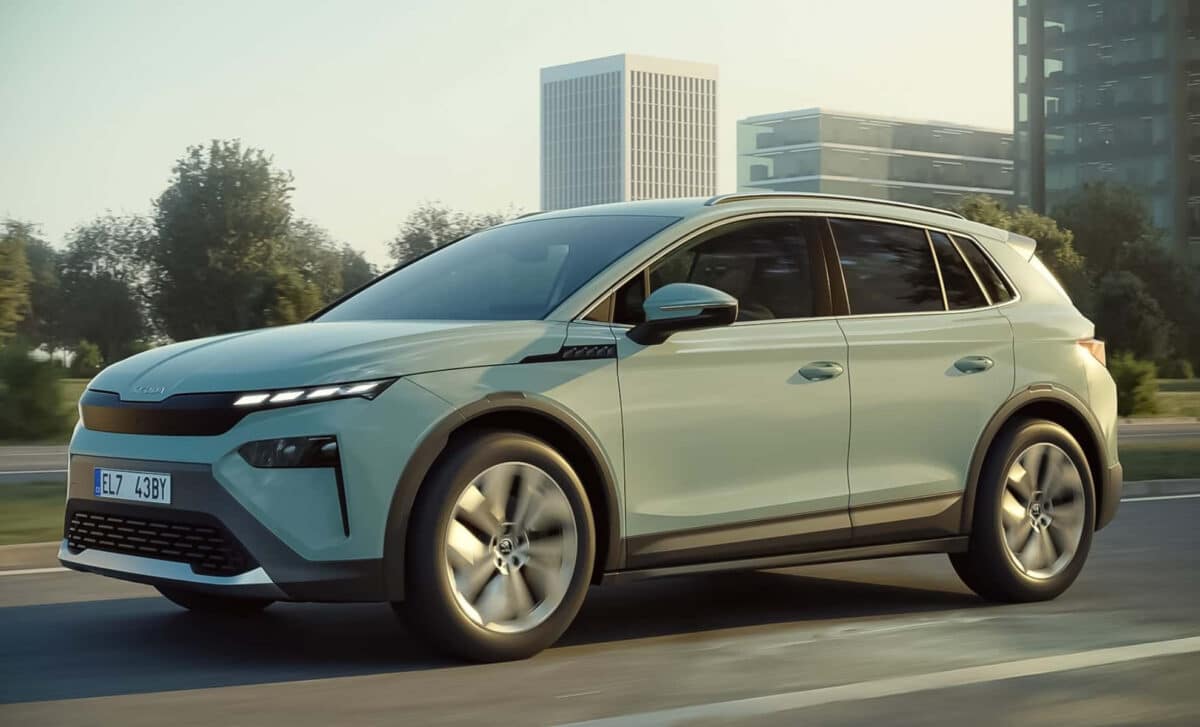
Among Europe’s best-selling EVs in 2025, the Tesla Model Y held the top position, despite a notable 28% drop in sales. It registered 151,331 units. The Skoda Elroq came in second with 94,106 sales, followed by Tesla’s Model 3 with 86,261 units. Rounding out the top five were the Renault 5 E-Tech and the Volkswagen ID.4, with 81,517 and 80,123 sales respectively.
The dominance of these models underlines the importance of brand recognition and established infrastructure. Volkswagen, for instance, had three entries in the top seven, ID.4, ID.3 (78,667 units), and ID.7 (76,368 units). BMW and Kia also made the top ten, with the iX1 and EV3, while the Skoda Enyaq closed the list at 65,787 units sold.
Market Shift Confirms Structural Change, Not Short-Term Spike
While December’s figures alone do not represent an annual majority for EVs, the event marks a significant milestone in market transformation. According to ACEA data, EVs saw a 4.1% increase in market share compared to 2024, while gasoline vehicles lost 6.9% during the same period. These concurrent shifts suggest a structural rebalancing more than a momentary spike.
Electric vehicles have now become a mainstream choice in Europe, with their reach expanding rapidly across the continent. The combination of tightening emissions regulations, expanding charging infrastructure, and increased consumer acceptance appears to be reshaping buyer preferences. Diesel’s continued collapse only accelerates this shift, while the rise of hybrids adds complexity to the evolving picture of European mobility.