While carmakers have spent billions developing battery-electric vehicles (BEVs), many of these models target a premium market that leaves most consumers behind. With government incentives shrinking and regulatory pressure easing, the future of U.S. EV adoption hinges less on policy, and more on understanding buyer expectations.
According to HSBC’s Global Research Investment division, American EV adoption is slowing as the country moves away from strong policy support. A rollback of Corporate Average Fuel Economy (CAFE) standards in 2025 and reduced EPA mileage targets have created a less aggressive emissions environment. This has left manufacturers exposed, financially and strategically. Ford alone posted a $19.5 billion loss due to EV-related investments. Meanwhile, Deloitte’s latest Global Automotive Consumer Study confirms that American consumers remain cautious, especially around cost, range, and charging infrastructure.
Internal Combustion Still Leads the Pack
The Deloitte survey, which covered more than 28,500 consumers in 27 global markets, paints a clear picture of the American EV hesitation. Sixty-one percent of U.S. respondents still plan to buy vehicles powered by gasoline or diesel. Only 26 percent expressed interest in hybrids or plug-in hybrids, a figure unchanged from the previous year.
For those who are considering battery-powered vehicles, concerns persist. Forty-seven percent of U.S. respondents named battery range as their top barrier to adoption, followed by charging time and cost. In comparison, consumers in regions like South Korea, India, and China cited battery safety as a growing issue. While the median range of U.S. EVs has increased 12 percent since 2020, this improvement hasn’t been enough to shift the balance.
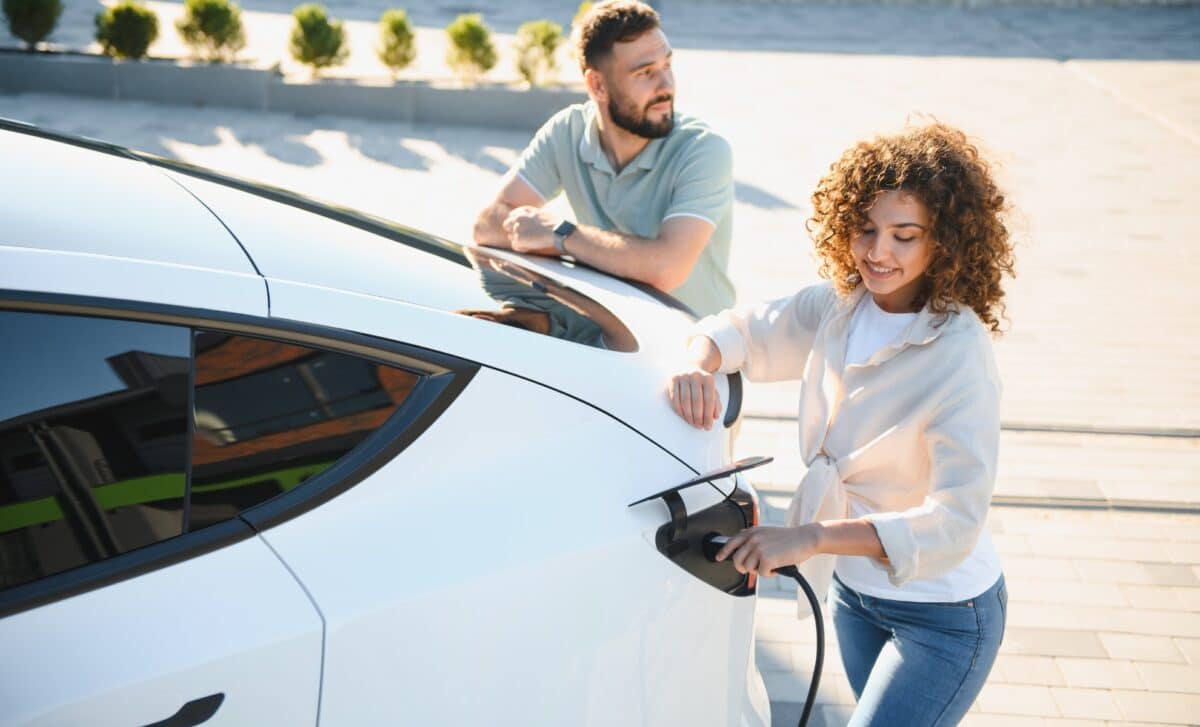
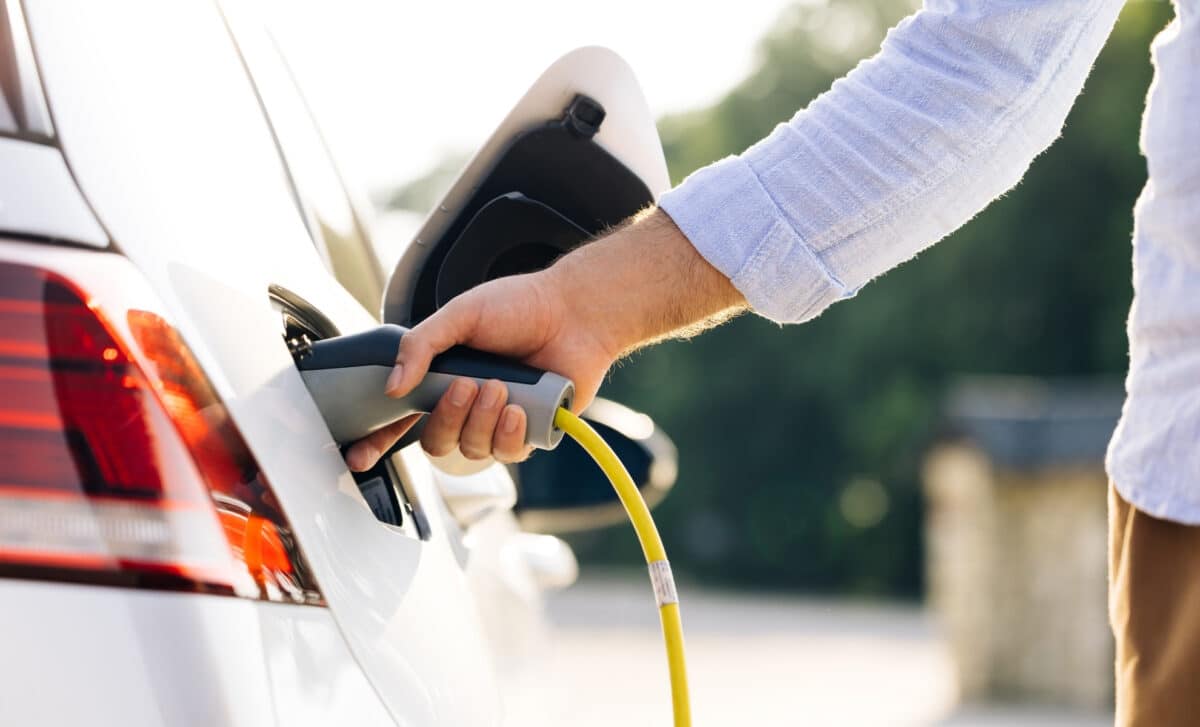
Charging access also remains a sticking point. Deloitte’s study notes that 77 percent of EV intenders plan to charge at home, but over half do not have a dedicated home charger. Even though the number of public chargers in the U.S. has surged, from 32,000 in 2015 to over 200,000 today, according to Visual Capitalist, the user experience still falls short for many potential buyers.

Electric Sales Are Growing, but Not Evenly
Despite these concerns, some automakers continue to report strong electrified vehicle sales. Toyota’s U.S. division said that in 2025, electrified Toyota and Lexus vehicles made up 47 percent of total sales. Honda also marked a third straight year of record hybrid sales in the U.S. These gains, though, mostly reflect interest in hybrids, not fully electric models.
According to HSBC, EV penetration in the U.S. luxury segment is at 34 percent, while the mass market lags by 30 points. That contrast is far narrower in Europe and China. Automakers like Ford and Ram have responded to the lagging interest by scaling back plans for fully electric pickups. Instead, they’re shifting toward range-extended models, vehicles that use a gas engine to recharge the battery, but not drive the wheels directly.
Other brands under the Stellantis group, like Jeep and Ram, have even reintroduced high-powered gasoline engines, signaling a shift away from full electrification in some segments of the market. These decisions reflect a growing understanding that consumer demand, not regulatory ambition, will now determine which technologies survive.
New Models Target Affordability and Function
A wave of new EV models is aiming to better align with U.S. consumer demands. In 2026, Mercedes-Benz and Rivian plan to launch battery-electric two-row SUVs with more than 300 miles of range. The Rivian R2, which will be built in Illinois, is designed to be smaller and more affordable than its current R1, with a starting price of $45,000. Mercedes’ electric GLC, to be built in Alabama, is being promoted as its most technologically advanced and sustainable vehicle to date.
Honda is also preparing its Ohio-built “0” electric SUV, set to arrive mid-2026. Subaru will follow with its Uncharted SUV, based on the Toyota CH-R and starting below $35,000. These models are designed to fill a critical market gap, offering EVs that are not only efficient but also financially accessible and practically usable.
Lisa Walker, vice chair and U.S. automotive sector leader at Deloitte, said in an interview with Newsweek that the industry is entering a new phase. “In the U.S., consumers are redefining what they want from EVs,” she explained. “This is prompting automakers to rethink their product strategy, moving away from range-maximized, premium EV architectures toward more right-sized platforms that better reflect how people actually drive and what they are willing to pay for.”