

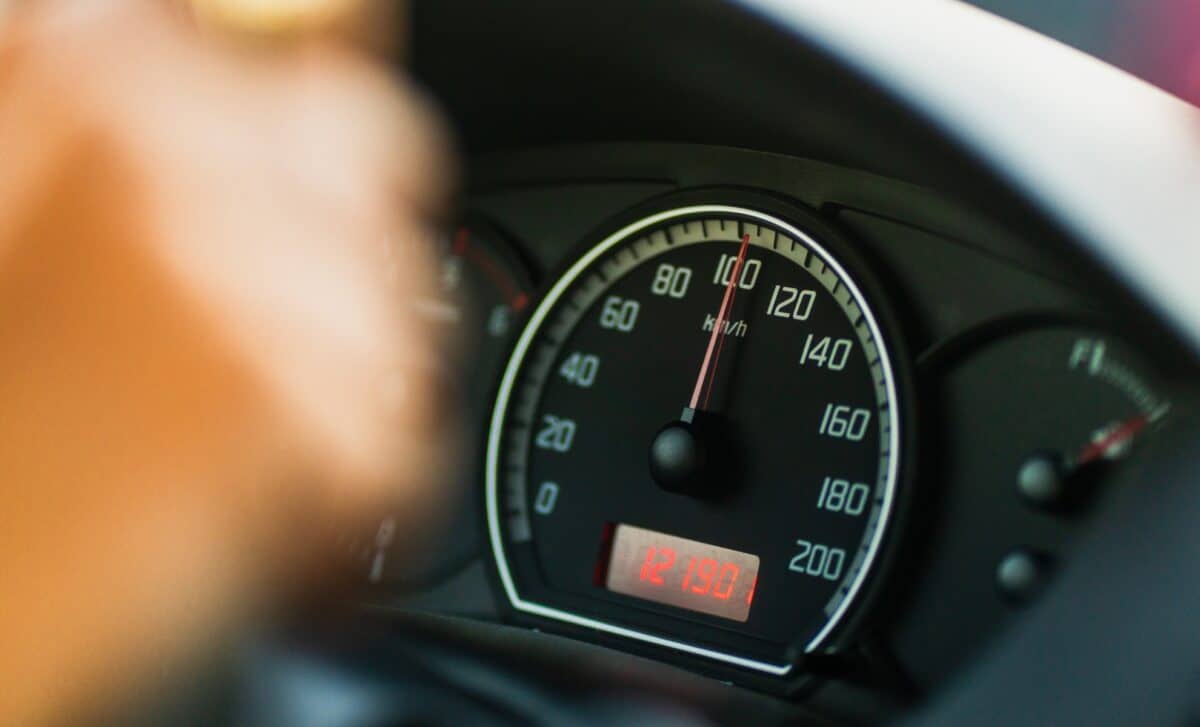
The practice, long associated with used car scams, is now surging nationwide, with California, Texas, and Florida reporting the highest numbers of suspected cases. But while these large states dominate in volume, several smaller states are recording the fastest year-over-year increases.
Odometer fraud artificially inflates the value of used cars, masking their true mileage and exposing buyers to unexpected maintenance and safety issues. Carfax estimates that cars affected by rollback scams lose an average of $3,300 in value , excluding repair costs. The issue has caught the attention of federal authorities, as the number of fraudulent cases continues to rise well beyond earlier trends.
The manipulation of mileage is being fueled by limited inventory in the used car market, historically high prices since the COVID pandemic, and easy access to inexpensive digital tools that allow tampering within seconds. What was once a problem concentrated in a few regions is now spreading across the country, affecting states regardless of size or geography.
California Leads in Total Rollback Cases
According to Carfax, California leads the nation in odometer fraud by a wide margin. The state is home to approximately 532,200 vehicles suspected of having altered mileage, representing nearly 22% of the estimated 2.45 million nationwide. The number places California far ahead of all other states.
Next in line is Texas, with an estimated 333,900 affected vehicles. Florida ranks third, with around 109,000 suspected rollback cases. Together, these three states represent a significant share of the national total.
At the bottom of the list is North Carolina, which has the lowest number of affected vehicles, at 59,000. This spread shows how fraud varies significantly depending on the state, with high-volume regions like California standing out for their scale.
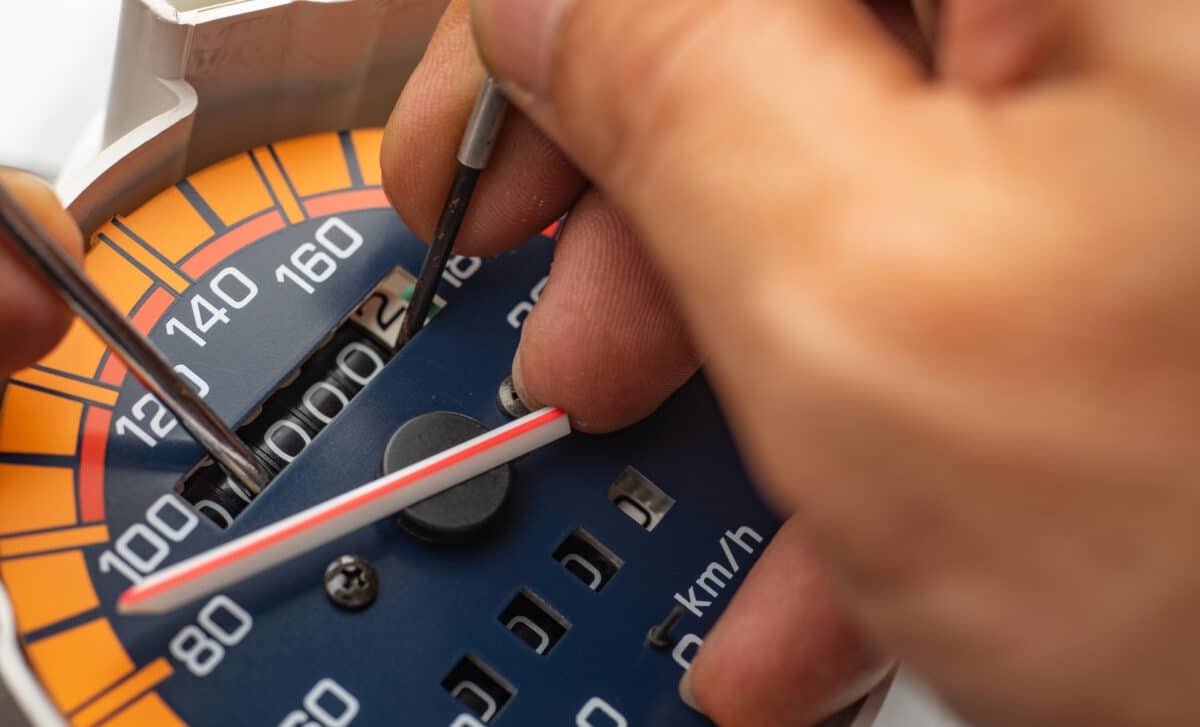
Montana and Tennessee See Largest Year-Over-Year Spikes
While the biggest states report the highest overall numbers, the most rapid increases in rollback fraud are being recorded elsewhere. Carfax reports that Montana saw a 33% increase compared to the previous year, the largest percentage rise in the country. Tennessee followed with a 30% jump, and Arkansas posted a 28% increase.
Other states experiencing notable growth include Oklahoma (25%), Kansas (24%), and New Jersey (21%). Florida, already in the top three by total volume, also saw a 20% year-over-year increase.
The data shows that odometer tampering is not just expanding in terms of numbers, but also geographically. This shift suggests that the problem is no longer restricted to states with traditionally large used car markets. Instead, it is evolving into a national trend, with growing fraud detected across a wider range of regions.
Rollback Fraud Draws Federal Scrutiny as Financial Losses Mount
The increase in odometer fraud has sparked concern at the federal level. According to the National Highway Traffic Safety Administration, more than 450,000 vehicles are sold each year in the U.S. with falsified mileage, a figure that aligns with the broader trends identified by Carfax.
The financial impact is substantial. Vehicles with rolled-back odometers lose an estimated $3,300 in value, and that figure does not account for additional costs tied to mechanical issues or safety concerns resulting from hidden wear. In 2025, rollback fraud increased by 14% compared to the previous year, which had seen only a 4% rise.
Carfax advises used car buyers to take precautionary steps, such as checking detailed vehicle history reports, reviewing mileage records over time, inspecting interior components like pedals and upholstery for signs of wear, and having a trusted mechanic perform a thorough evaluation. These steps may help uncover inconsistencies that could signal odometer tampering.