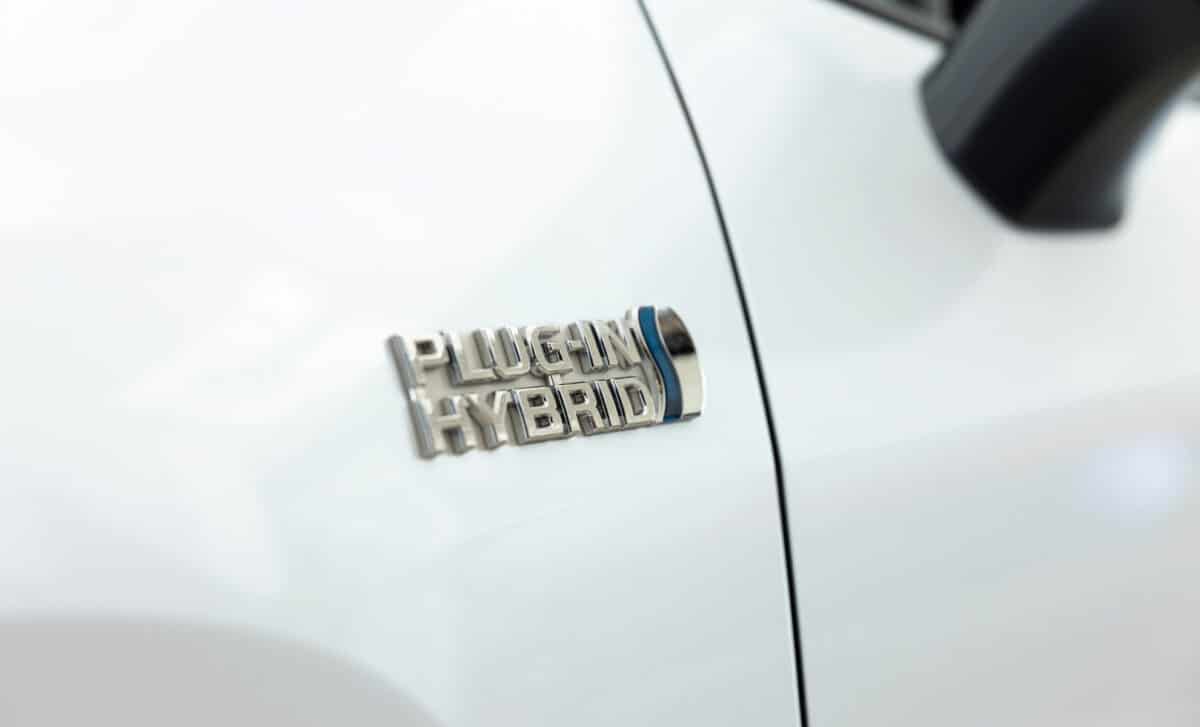
According to Consumer Reports’ latest annual survey, PHEVs experience roughly 80 percent more problems than vehicles running solely on internal combustion engines — raising serious concerns about their reliability.
The report draws on feedback from around 380,000 vehicle owners, spanning model years 2000 through early 2026. It highlights a pattern of failures across nearly all segments, from compact SUVs and full-size crossovers to luxury cars and minivans, with recurring trouble areas including EV batteries, electric motors, hybrid systems, and charging components. Several models, including the Mazda CX-90 PHEV, Jeep Wrangler 4xe, and Ford Escape PHEV, stand out as among the most unreliable on the market.
As automakers scale up electrification efforts and regulators tighten emissions rules, these findings underline a growing disconnect between green technology goals and day-to-day ownership experiences. The complexity of dual-powertrain systems appears to be a central contributor to rising dissatisfaction.
Compact SUV Leaders Fall Short On Reliability
Consumer Reports names the Ford Escape PHEV as the least reliable model in the compact SUV segment. Owners reported a wide range of problems, with many directly tied to electrification: EV battery replacement, cooling system failures, EV charging issues, and malfunctions in electric accessories. But the problems didn’t stop there, non-electrification-related failures were also frequent, including issues with steering, suspension, and the climate control system.
This segment also includes popular models like the Toyota RAV4 Prime and the Mitsubishi Outlander PHEV, but the Escape stood out for the volume and variety of complaints. These findings are based entirely on vehicle owner reports gathered by Consumer Reports, which continues to be a major reference for buyers evaluating vehicle dependability.
Jeep And Stellantis Face Mounting Complaints
Stellantis vehicles appear repeatedly in the report, particularly those equipped with the company’s 4xe plug-in hybrid drivetrain. The Jeep Wrangler 4xe and Grand Cherokee 4xe were both cited for issues directly linked to their hybrid systems, including battery stalling, electric motor failure, and complete hybrid system malfunctions.
One Wrangler owner said their vehicle was “bricked for nearly six months.” Another Grand Cherokee 4xe owner reported eight separate trips to the dealership to fix recurring hybrid-related problems. According to Consumer Reports, these failures were consistently tied to the 4xe system, rather than general mechanical components.
Regulatory bodies have also taken notice. The National Highway Traffic Safety Administration (NHTSA) has been involved in multiple actions related to the 4xe platform, including a recall issued earlier this year due to loss of drive power. Meanwhile, even the non-4xe version of the Grand Cherokee was flagged by CR as one of the most unreliable SUVs in its class, suggesting deeper quality issues beyond just hybrid technology.
CX-90’s Long Problem List Dents Mazda’s Reputation
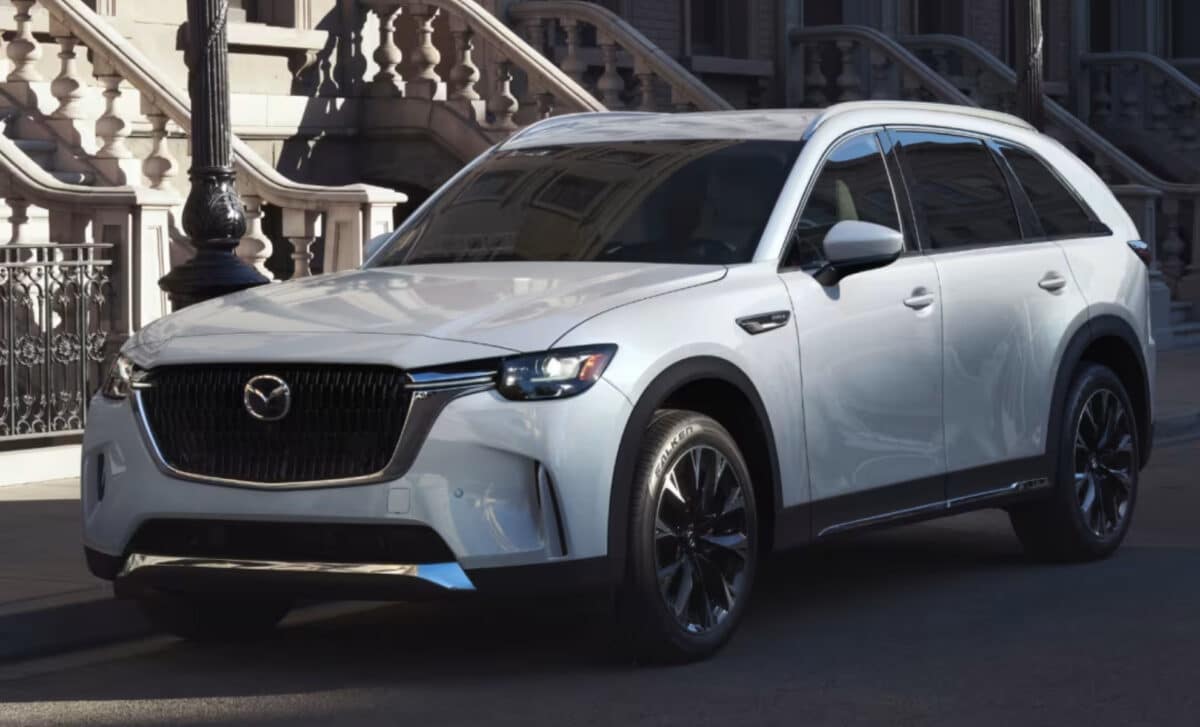
In the full-size SUV segment, the Mazda CX-90 PHEV has emerged as the least reliable model, with an extensive catalogue of issues reported by owners. According to Consumer Reports, problems span both hybrid-specific and traditional systems: EV battery, electric motor, engine electrical system, transmission (major and minor), drivetrain, fuel system, brakes, steering and suspension, climate control, electric accessories, and body hardware. Owners also flagged faults in in-car electronics, paint and trim quality, and unusual noises and leaks.
These widespread complaints have had a measurable impact on Mazda’s overall brand reputation. In CR’s 2026 Reliability Brand Rankings, Mazda dropped from a top 10 position to 14th overall, with the CX-90 PHEV playing a major role in that decline. One frustrated owner said their vehicle suffered a “hybrid malfunction that causes the car to seize. It will not start, go into gear, or charge.”
Luxury And Minivan Segments Also Underperform
The Volvo XC60 PHEV, part of the luxury crossover segment, also drew criticism in the report. Owners noted failures involving electric accessories, the climate system, drivetrain, electric motor, and EV battery. One owner described a serious issue occurring just one month into ownership, where the vehicle “would not go over 26 mph and went into snail mode”, a term often used to describe limp mode, where performance is heavily restricted to avoid further damage.
Meanwhile, the Chrysler Pacifica PHEV continues to hold a unique position as the only minivan with a plug-in hybrid powertrain currently on sale in the U.S. Yet despite that distinction, it is not spared from reliability woes. According to Consumer Reports, owners frequently reported issues with the transmission, engine, in-car electronics, electric accessories, EV charging, and battery cooling systems.
For context, competitors like the Toyota Sienna and Kia Carnival only offer conventional hybrid powertrains, while the Honda Odyssey remains fully gas-powered in the U.S. market, even though a dual-motor hybrid variant is available in Japan, based on the same system used in the Civic and Accord.