
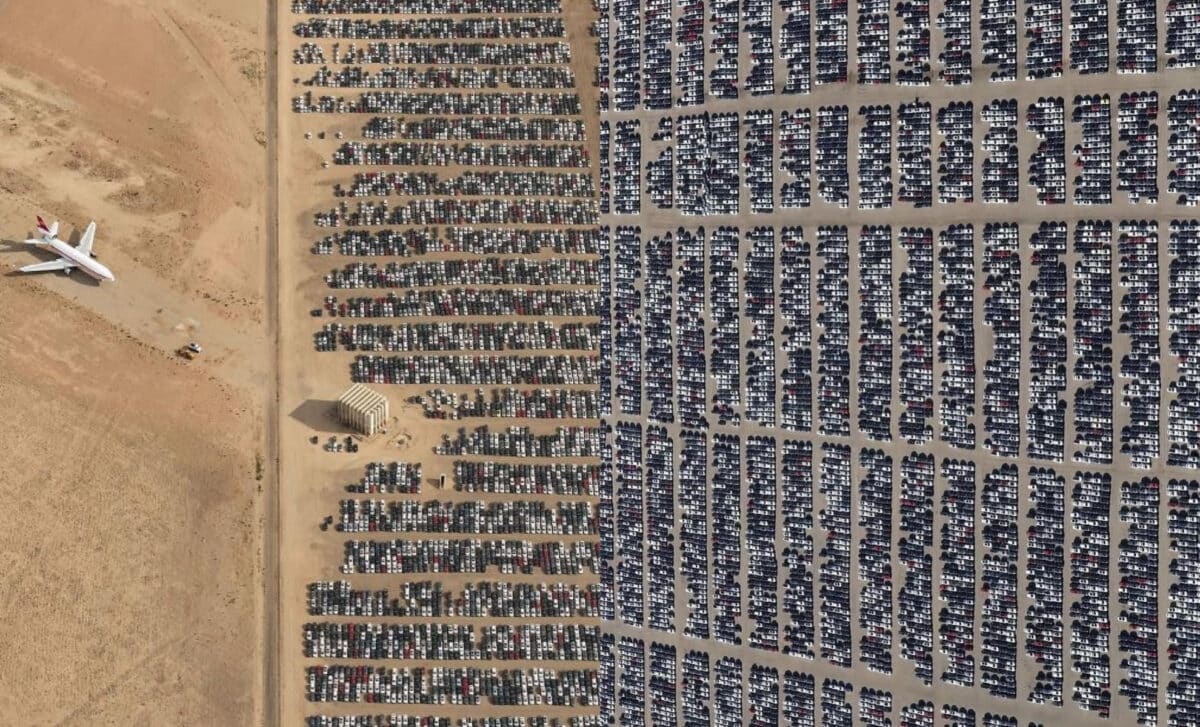
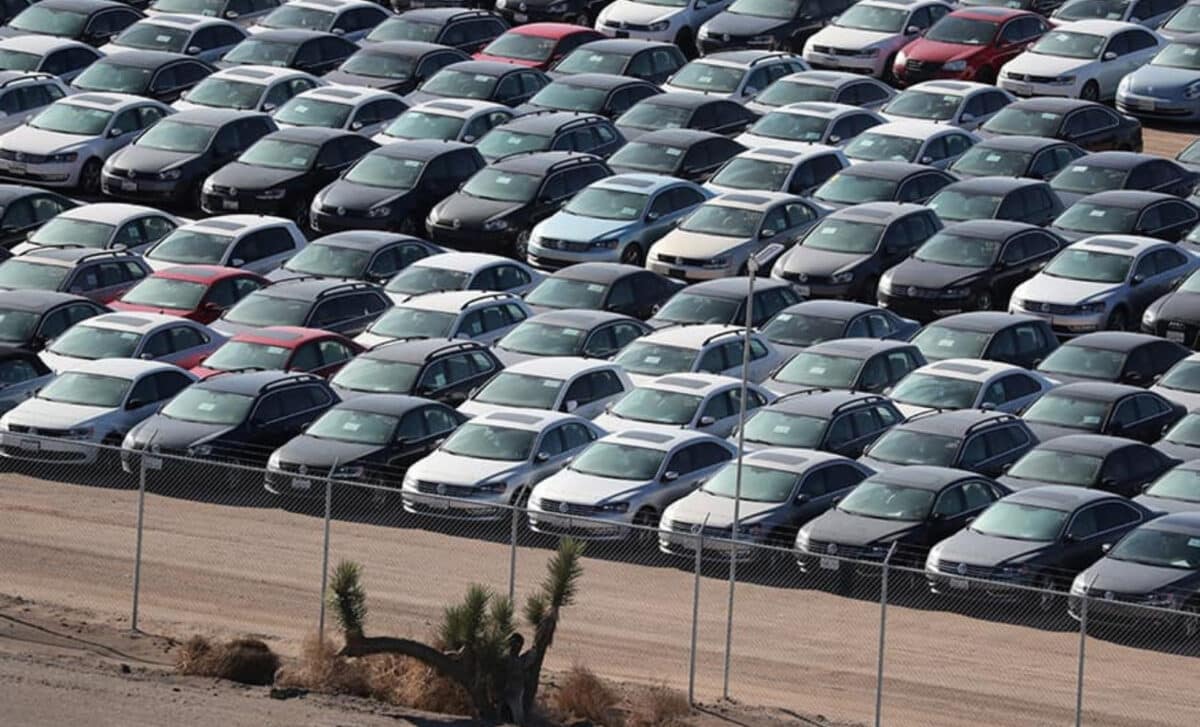
When the images first circulated online, the internet ran with the obvious narrative. Rows upon rows of sedans and SUVs, color-coded in blue, grey, and white, baking under the desert sun near the Mojave, it looked like a punishment. Many assumed these cars were condemned to rust forever, discarded relics of a company caught cheating on emissions tests. The reality is considerably more nuanced, and frankly more interesting.
The 134-acre site at Victorville, located on the grounds of the Southern California Logistics Airport, a former military air base converted into a logistics hub, was not a graveyard. It was a carefully managed holding operation, one piece of a sprawling industrial puzzle that Volkswagen was forced to assemble after one of the biggest corporate scandals in automotive history.
The Dieselgate Scandal That Started It All
As reported by SupercarBlondie, the story begins in 2015, when Volkswagen admitted to something extraordinary: the company had installed software in millions of diesel engines specifically designed to detect when a car was being tested by regulators. During those official tests, the vehicles performed cleanly, staying within legal environmental limits. But in real-world driving conditions, the engines switched to a different mode, one that spewed pollutants at up to 40 times the permitted level.
The scale was staggering. Approximately 11 million diesel vehicles worldwide were affected, including around 500,000 in the United States alone. The fallout was immediate and severe. Volkswagen agreed to a multibillion-dollar settlement with American authorities, and as part of that deal, a massive buyback program was launched: American owners of certain diesel models could hand their cars back to the manufacturer and receive full compensation. Hundreds of thousands of people accepted the offer.
That left the German automaker holding a fleet of roughly 300,000 to 350,000 repurchased vehicles, cars that, in their existing state, could not legally be resold on the American market. Something had to be done with them, and fast. Under the court-mandated agreement, Volkswagen was required to fix or remove 85 percent of the affected vehicles by a court-imposed deadline.
Why the Mojave Desert Made Sense
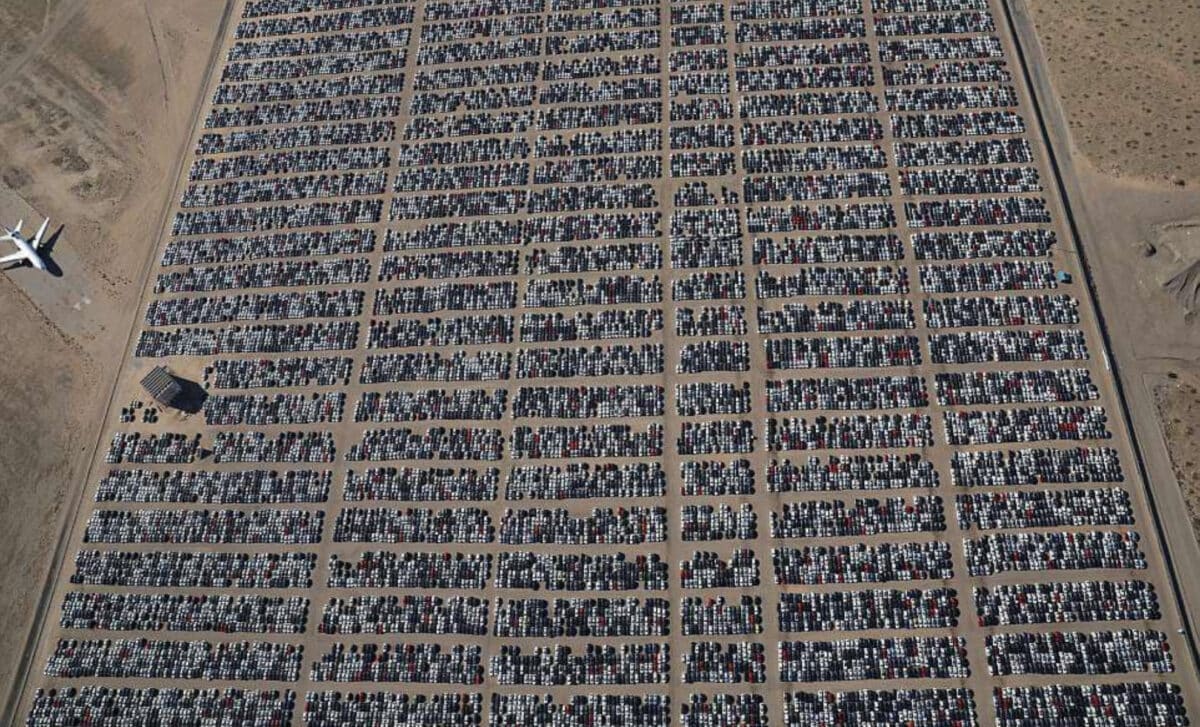
To store this unprecedented fleet, Volkswagen leased or prepared 37 large sites across the United States. Victorville was the most spectacular of them. The desert location was no accident, the arid climate of the Mojave is extremely dry, which significantly limits corrosion. The land was vast and comparatively inexpensive. And the old airport infrastructure already made it well-suited for large-scale logistics.
What the aerial photos didn’t show was the level of organization on the ground. According to Auto Journal, Volkswagen employed dedicated staff at these storage sites whose job was specifically to maintain the parked fleet. Workers regularly moved the vehicles, checked battery levels, and ensured that the cars remained in working condition. These weren’t abandoned machines slowly decomposing in the heat, they were being actively preserved, because the company intended to resell as many of them as possible once the necessary modifications had been approved.
The site was fenced, monitored, and managed. The dramatic geometry of thousands of cars lined up in perfect rows, so striking from above, was the result of deliberate organization, not neglect.
What Happened to All Those Cars
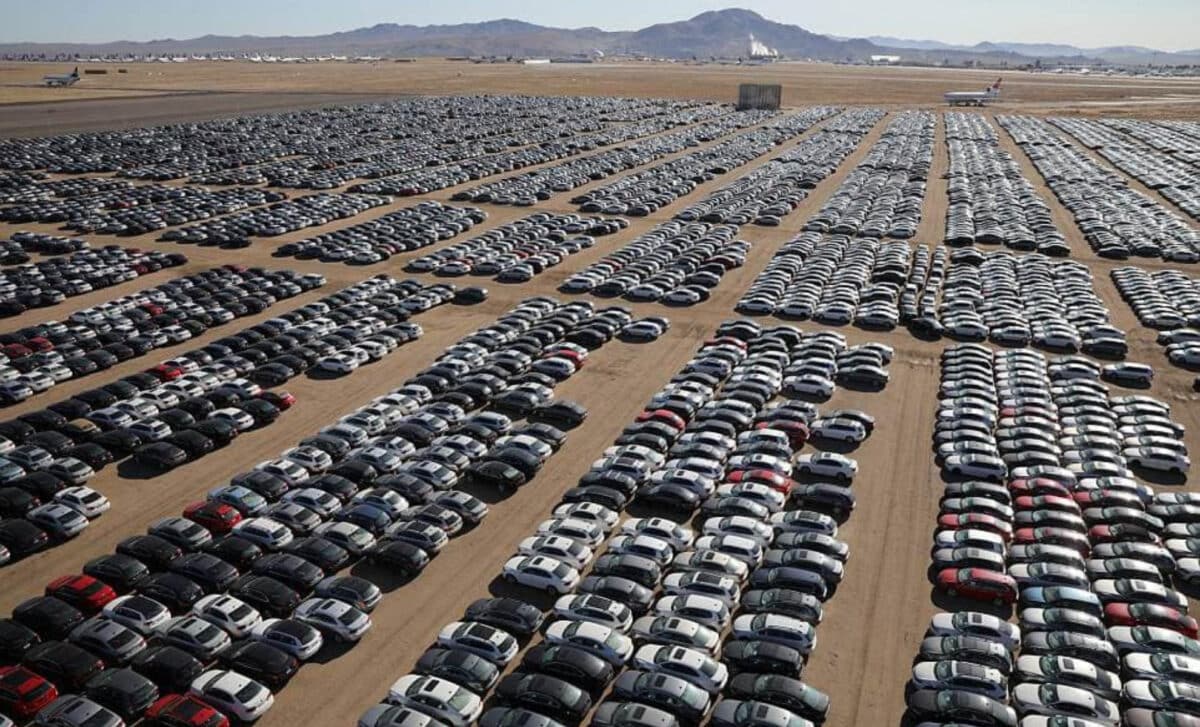
Over the following years, a significant portion of the vehicles stored in the Mojave received updated software and mechanical modifications designed to bring them into compliance with emissions regulations. Once certified by authorities, these cars were resold through authorized dealership networks, carrying a specific status reflecting their history. Others were exported to markets where the modified vehicles could legally operate.
For the vehicles deemed too old or too damaged to be worth repairing, the outcome was different: they were sent to specialized facilities to be dismantled and recycled piece by piece. Gradually, the vast desert parking lots began to empty as the buyback and repair program moved toward completion.
The broader consequences of the scandal extended well beyond a few acres of California desert. Volkswagen eventually stopped selling diesel passenger cars in the United States entirely, redirecting its resources toward electric vehicles. Several electric models have since been launched as part of a long-term plan to shift the brand’s lineup away from internal combustion engines, a dramatic pivot for a company that had spent decades promoting diesel as its signature fuel-efficient technology. The Dieselgate affair also pushed the wider automotive industry toward more transparent testing protocols and stricter environmental reporting standards, with numerous other manufacturers accelerating their own electric development programs in response.
The cars that once filled those desert lots have largely moved on. The story behind them, though, remains one of the most bizarre and consequential chapters in modern automotive history.