
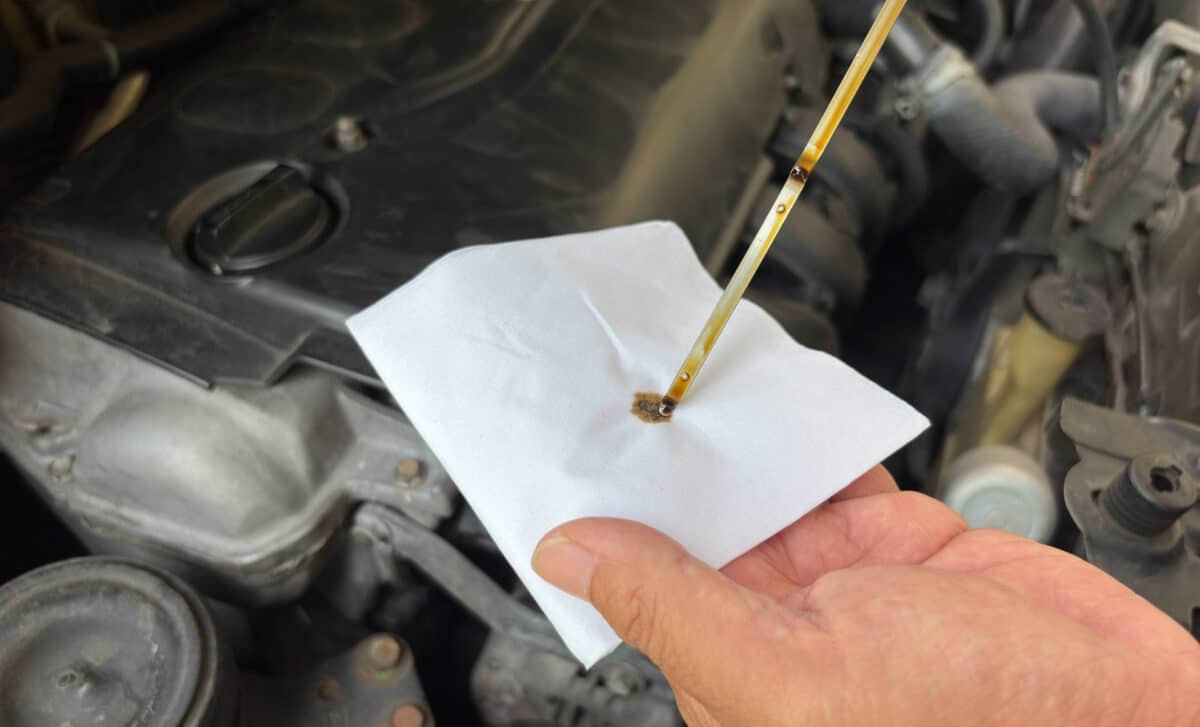
Checking the dipstick for oil color and condition isn’t just for car enthusiasts or mechanics, it’s a basic habit every driver should adopt. Color changes in motor oil don’t always mean something’s wrong, but in some cases, they’re the first visible clue of serious internal problems like sludge buildup, coolant leaks, or oil contamination.
Understanding what the different oil colors indicate can help drivers catch issues early, avoid engine failure, and make sure they’re not driving with fluids that can no longer do their job. Here’s what to look out for, and what each color might mean for your engine.
Darker Oil Isn’t Necessarily Bad
Fresh motor oil is typically transparent with a golden or amber hue. As it circulates through the engine, it naturally becomes darker. This is a normal process, especially in engines running on modern motor oils loaded with detergents and additives. The darkening of oil is actually a sign that these additives are doing their job, absorbing heat, oxidation, and combustion byproducts.
In diesel engines, this change happens even faster. Oils designed for diesels are formulated with more cleaning agents, which makes dark or black oil perfectly normal. Dark oil in a diesel is, in most cases, nothing to be worried about.
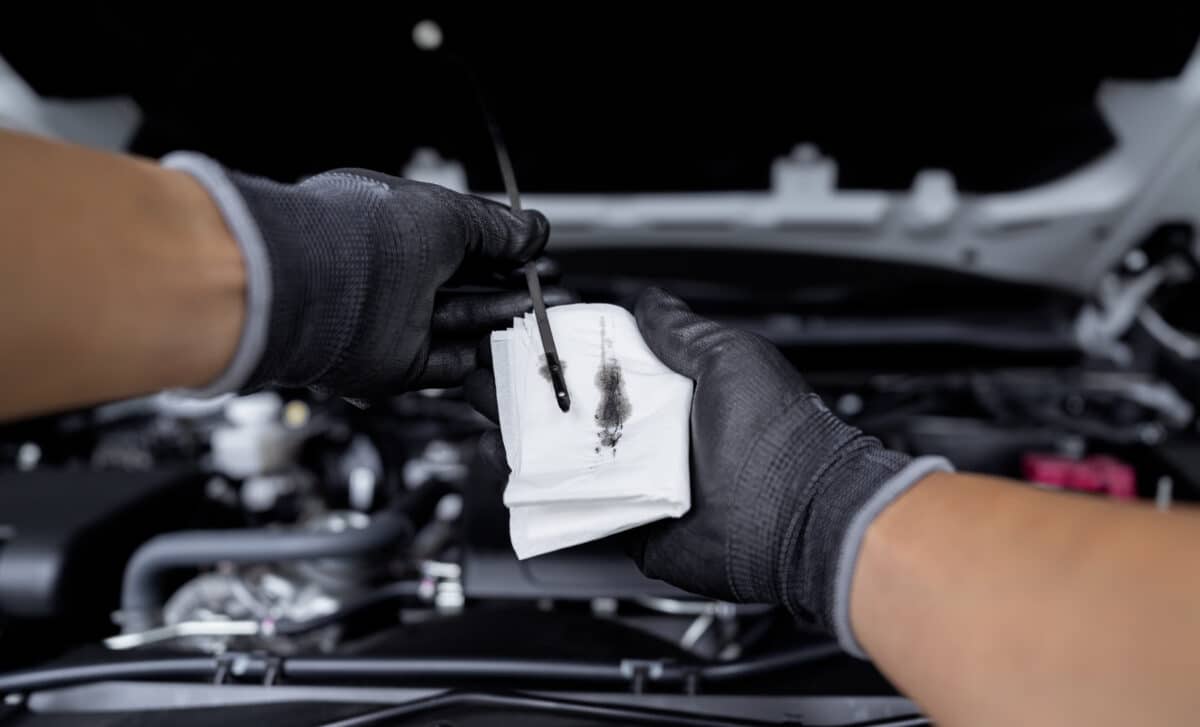
But how dark is too dark? If it’s been six months or more since your last oil change and the oil has turned black, it might be time for fresh oil, especially if you notice sludge or thick particles. These signs suggest neglect or deeper engine issues, such as overheating or misfires. One simple check is to twist off the oil filler cap and inspect the underside. If it’s clean or shows only liquid residue, you’re in good shape. If there’s sludge buildup, it’s time to act.
Frothy Or Milky Oil Points To Coolant Contamination
While dark oil might not raise immediate concerns, frothy white or milky oil definitely should. This usually indicates coolant has leaked into the oil system, often through a failing head gasket. This kind of leak doesn’t just change the oil’s appearance, it compromises its ability to lubricate the engine, leading to increased friction and wear.
If left unresolved, this condition can cause severe damage to bearings, piston rings, and cylinder walls, and may even result in a clogged catalytic converter. While the engine may continue to run for a while, driving in this state only makes things worse. If you see white, creamy oil on the dipstick or under the oil cap, stop driving and contact a mechanic immediately.
Unexpected Oil Colors Signal Cross-contamination
Besides the common amber, brown, or black shades, engine oil can sometimes take on more unusual colors, and none of them are good news. Red or pink oil could mean automatic transmission fluid (ATF) has been added by mistake. While not immediately harmful, this misstep can interfere with proper engine lubrication.
Blue-tinted oil is another warning sign, possibly caused by dyed coolant leaking into the oil. This could result from a bad oil cooler, cracked cylinder head, or again, a head gasket failure. In all cases, blue oil means there’s a problem that needs quick attention.
Even green oil, though sometimes added on purpose by manufacturers, could suggest a malfunction if the oil didn’t start out that way. A sudden shift to green may reflect a coolant system issue, which requires diagnosis before it leads to greater internal damage.
The key is to monitor not just oil levels, but also the condition and color of your oil regularly. By lifting the hood and checking the dipstick every now and then, drivers can spot subtle changes before they become expensive problems. And when in doubt, following the vehicle manufacturer’s oil recommendations and service intervals is always the safer bet.