
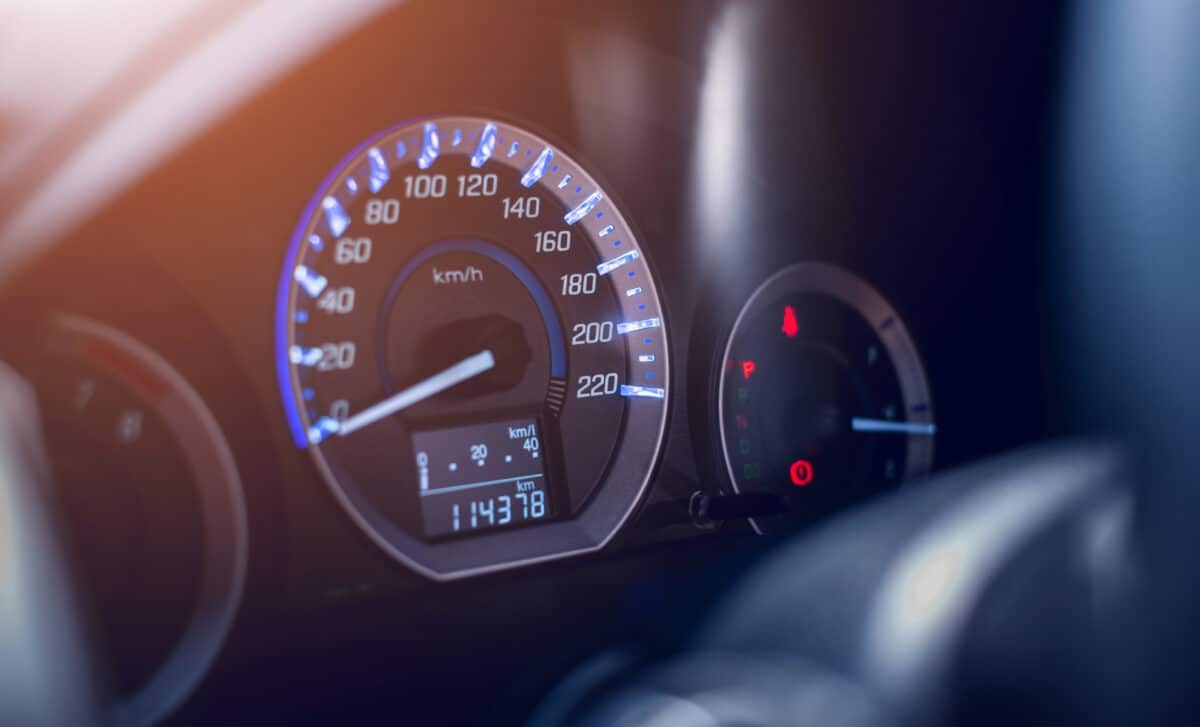
Mileage is one of the first things buyers look at when evaluating a used vehicle. A low number suggests less wear, better performance, and fewer maintenance issues ahead. But this assumption only holds if the mileage is real. Odometer rollback, manipulating a car’s mileage to make it appear newer, has long been used to inflate prices. Lower mileage often means a better deal for the seller, and more risk for the buyer.
Switching from mechanical to digital odometers was supposed to make manipulation harder. Instead, it changed how the fraud is committed. Today, inexpensive electronic devices allow sellers to tweak mileage readings in minutes. While data systems have improved and can often expose inconsistencies, the rollback itself has become easier to perform.
States With The Biggest Increases In Rollback Cases
Carfax’s latest findings show that the issue isn’t just widespread, it’s accelerating in specific states. While the national average rose by 14%, some states saw even larger jumps in suspected rollback cases.
Montana led the increase with a 33% rise compared to last year. Tennessee followed closely with a 30% jump, while Arkansas recorded a 28% increase. Oklahoma (25%), Kansas (24%), New Jersey (21%), and Florida (20%) also showed significant year-over-year growth. These spikes point to regional trends in odometer fraud, possibly tied to varying enforcement, market demand, or access to tampering tools.

Real People, Real Losses
For buyers, the fallout from odometer fraud can go far beyond financial loss. According to Carfax, cars flagged for possible rollback lose about $3,300 in value on average. But that number doesn’t fully reflect what buyers face once the car is theirs.
Seven Beverly, a driver from Valencia, California, experienced this firsthand. “I needed to buy a car, and I negotiated the price down to something I could afford,” Beverly said. “I later was curious about the car’s history, so I checked the Carfax and saw that there was a possible odometer rollback. It’s definitely something that I wish I knew before buying.”
In many cases, buyers don’t find out until after the purchase, when the real condition of the vehicle starts to reveal itself through unexpected repairs, faster wear, or safety issues that don’t match the supposed mileage.
How To Avoid Being Tricked
Carfax advises used car buyers to start with a vehicle history report. Checking the mileage listed on titles, inspection records, and service documents can help identify suspicious gaps or contradictions. If the mileage numbers don’t align, that’s often the first red flag.
Buyers should also pay attention to the physical condition of the car. Worn pedals, shiny steering wheels, and sagging seats don’t fit with a vehicle claiming low mileage. These small details can reveal a lot when something doesn’t add up.
A pre-purchase inspection by a trusted mechanic offers another layer of protection. It’s a chance to confirm whether the car’s wear and performance match the listed mileage. If the deal seems unusually good, a professional inspection can be a critical step before handing over any money.
Finally, Carfax encourages the use of its online odometer check tool. By entering the VIN, buyers can access available mileage records and spot possible rollbacks early. This quick step can prevent costly mistakes in a market where appearance can be misleading.