Known primarily for its electric vehicle lineup, BYD has recently focused on developing its electrified DM-i powertrains, which combine electric motors and gasoline engines for improved fuel efficiency and extended driving ranges.
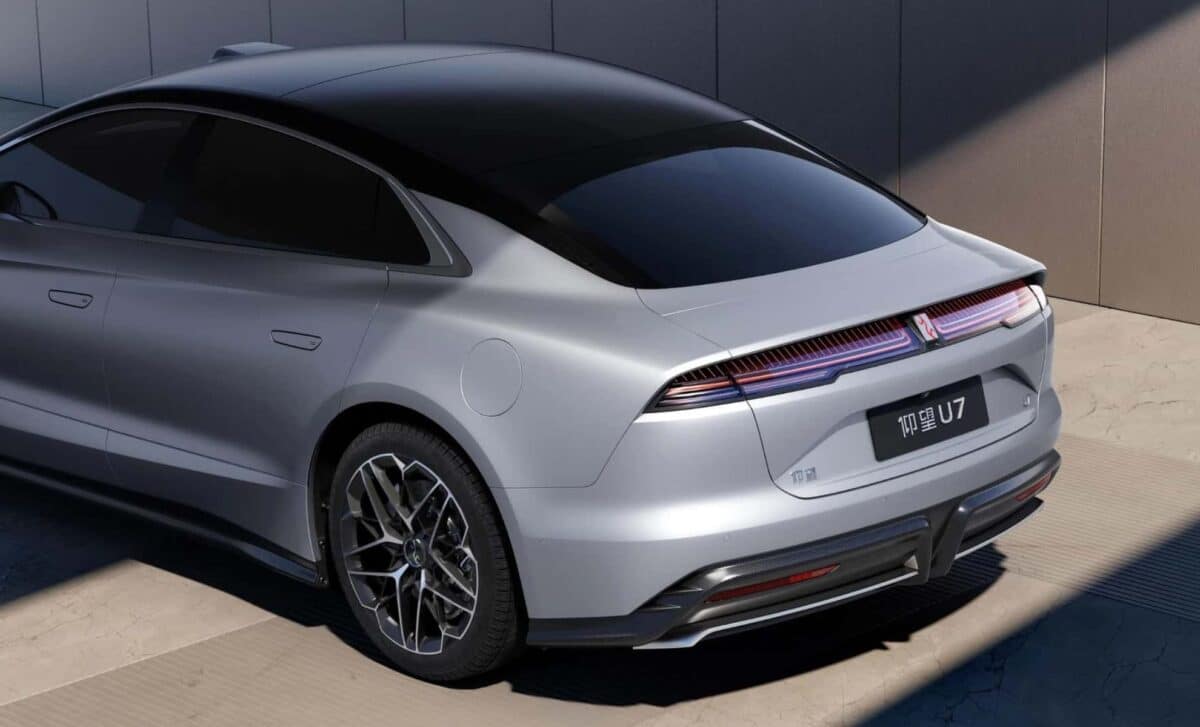
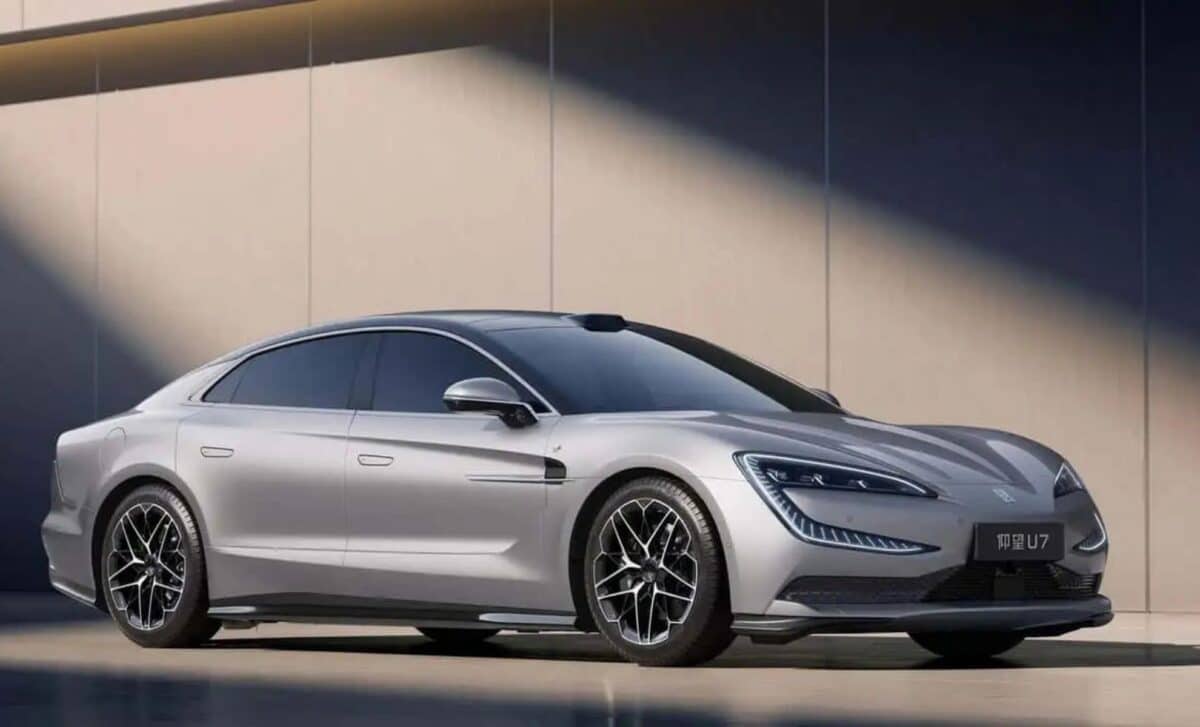
However, the company is now taking the next step in integrating these technologies to create an extended-range electric powertrain—one that even features a boxer engine. This is a notable shift, as the boxer engine is typically associated with automakers like Porsche and Subaru, making its appearance in a BYD model surprising. The engine, which operates as a generator for recharging the battery, will be used in the upcoming Yangwang U7 sedan.
A New Kind of Hybrid Powertrain
The new 2.0-liter turbo boxer engine has been developed specifically for BYD’s series hybrid vehicles, which are built on the company’s e4 platform. Its primary function is to act as a generator to recharge the EV’s traction battery.
While the engine can operate as a generator most of the time, it has the capability to drive the rear axle directly under certain conditions, producing 272 horsepower and 280 pound-feet of torque. This makes it a versatile component in the hybrid powertrain that balances electric efficiency with combustion power when needed.
In terms of noise, the engine is designed to be extremely quiet. According to BYD, under idle or low-load conditions, the engine produces just 1 decibel more noise than an electric motor. This near-silent operation was made possible through the adoption of a dry-sump lubrication system, a custom oil-circulation design, and an optimized cooling system to accommodate the flat, opposed-cylinder configuration of the boxer engine, reports Motor1.
Improving Driving Dynamics
One of the key benefits of the boxer engine lies in its flat layout, which significantly lowers the center of gravity of the vehicle. This improves the car’s overall driving dynamics by enhancing stability and handling.
Traditionally, the flat configuration of a boxer engine reduces the chances of vehicle rollovers, making it an appealing option for automakers aiming to enhance driving performance. It also contributes to a more balanced weight distribution, which is a crucial factor in achieving superior handling characteristics, particularly for performance-oriented electric vehicles.
In addition to the technical aspects, the boxer engine’s size and design are intended to minimize noise, contributing to a quieter driving experience. While many internal combustion engines are known for their disruptive sounds, BYD’s design ensures that the engine operates at a level that is barely audible to the driver, aligning with the tranquil nature expected of EVs.
The Yangwang U7 and Beyond
The new boxer engine is initially slated for use in the Yangwang U7, a premium sedan from BYD’s high-end Yangwang brand. This vehicle is set to be unveiled in early 2025, with the plug-in hybrid version priced at approximately ¥628,000 (around $88,500).
The Yangwang U7 is a luxury sedan measuring more than 17 feet in length, designed to appeal to consumers looking for an upscale electric vehicle experience. By integrating the boxer engine as a range extender, BYD aims to deliver a blend of electric efficiency with the reassurance of a gasoline engine for longer trips, making the U7 an intriguing option in the growing EV market.
This marks a significant step forward for BYD as it continues to evolve its vehicle offerings. With the boxer engine playing a central role, the company is positioning itself as a leader in the development of advanced, hybridized powertrains designed for the future of electric mobility.
For now, the boxer engine represents just one piece of BYD’s broader strategy to merge electric and traditional power sources, creating a seamless experience for consumers.