
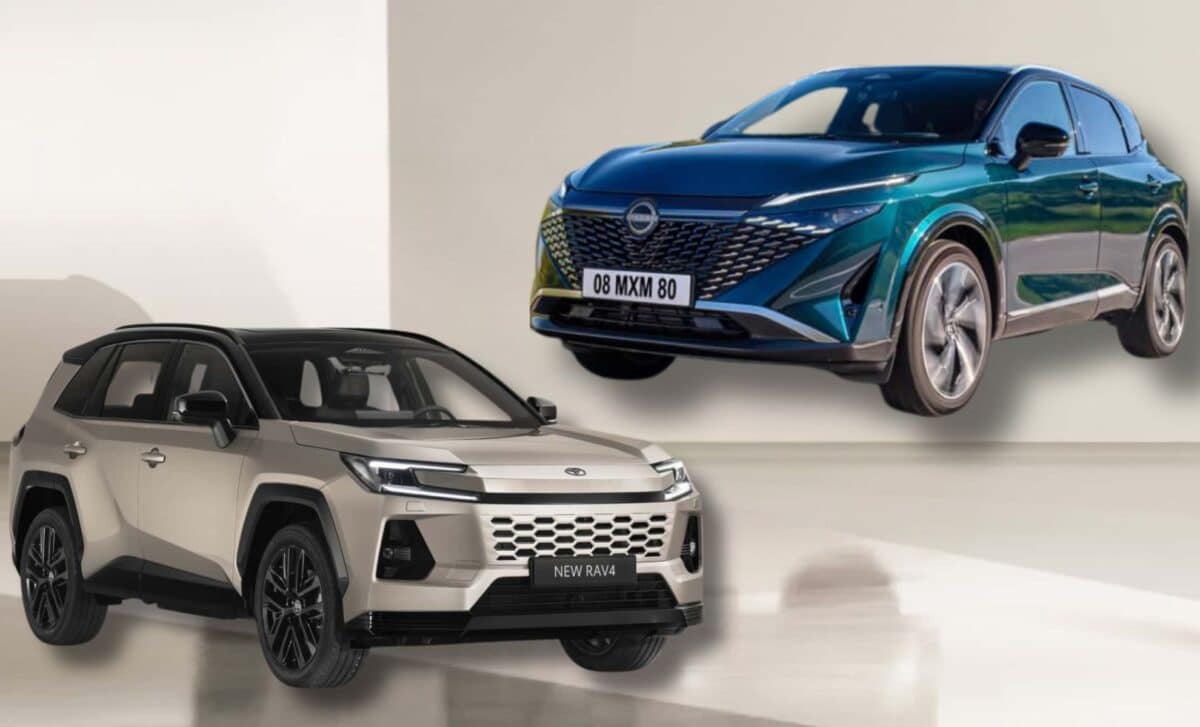
While Toyota doubles down on its proven hybrid formula with full and plug-in variants, Nissan bets on its distinctive e-Power architecture, delivering a fully electric drive without the need to plug in. The result is a matchup between two vehicles that are similar in category, yet designed for different priorities.
The RAV4 is larger, more powerful, and loaded with Toyota’s signature hybrid experience. The Qashqai, on the other hand, favors a sleeker design and an innovative engine layout aimed at drivers looking for electric sensations with gasoline reassurance. This comparison highlights what each brand considers essential in a hybrid SUV.
Design Language: Muscular Presence vs Sculpted Elegance
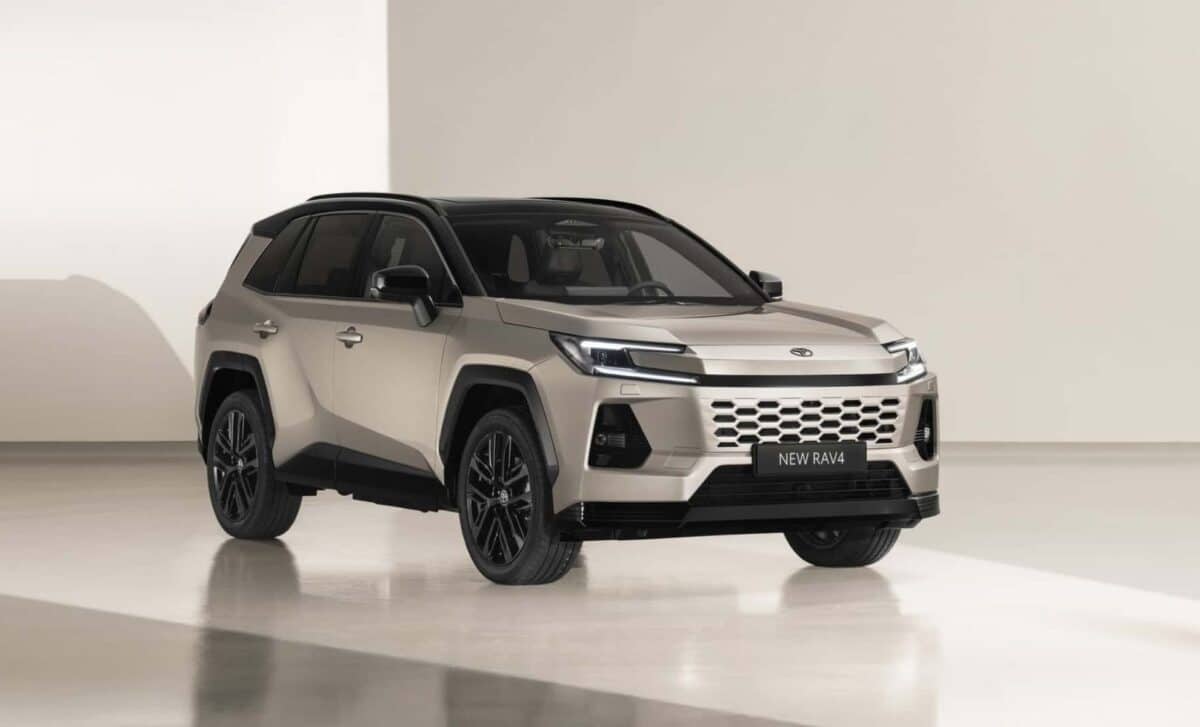
The Toyota RAV4, now in its sixth generation, presents a solid, muscular appearance with clear references to the latest C-HR and Prius. It measures between 4.60 and 4.65 meters in length depending on trim, with the sportier GR Sport version featuring 20-inch wheels and specific chassis enhancements. According to Motor1, it’s designed to maximize interior space and road presence with squared-off wheel arches and a commanding front end.
By contrast, the Nissan Qashqai embraces compactness. At 4.43 meters long, its 2024 refresh introduces a wide, 3D-effect grille, slim LED lighting, and clean, sculpted panels. Gloss black accents in certain trims enhance the visual sharpness, giving it a dynamic but less imposing look. Though smaller overall, the Qashqai maintains a nearly identical wheelbase to the RAV4—2.67 meters versus 2.69 meters—ensuring cabin space doesn’t suffer too much.
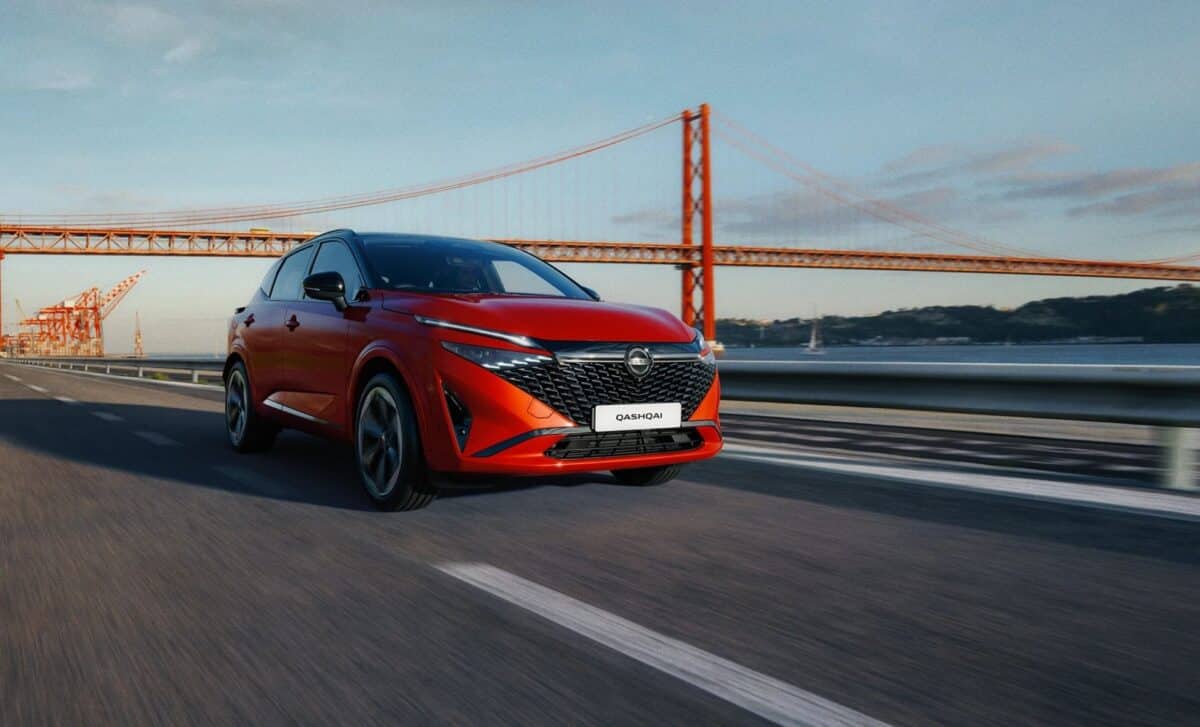
Each vehicle speaks to a different driver: one drawn to size and toughness, the other to compact refinement and contemporary styling.
Interior Layouts: Digital Focus and Modular Storage
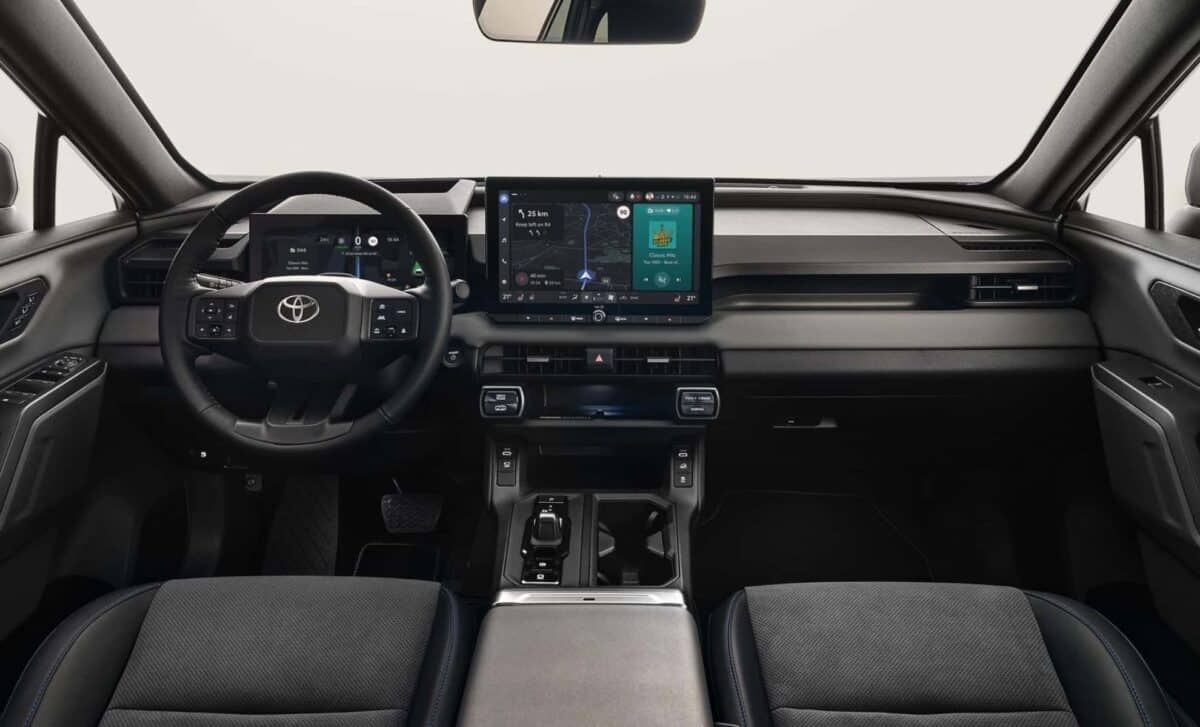
The RAV4 cabin follows Toyota’s approach of blending tactile controls with modern screens. A 12.9-inch infotainment display is paired with a 12.3-inch digital instrument cluster, and the dashboard remains horizontal and straightforward. Physical buttons for climate control, soft-touch surfaces, and solid build quality define the atmosphere. Notably, the rear bench slides to prioritize either legroom or luggage, and the full hybrid variants offer over 500 liters of trunk space.
Inside the Qashqai, Nissan keeps things tight but upscale. There’s a pair of 12.3-inch screens, wireless smartphone integration, and material choices ranging from cloth to Nappa leather and Alcantara. The cargo area is well designed, with capacities reaching up to 504 liters and a maximum of 1,447 liters with seats folded, depending on layout.
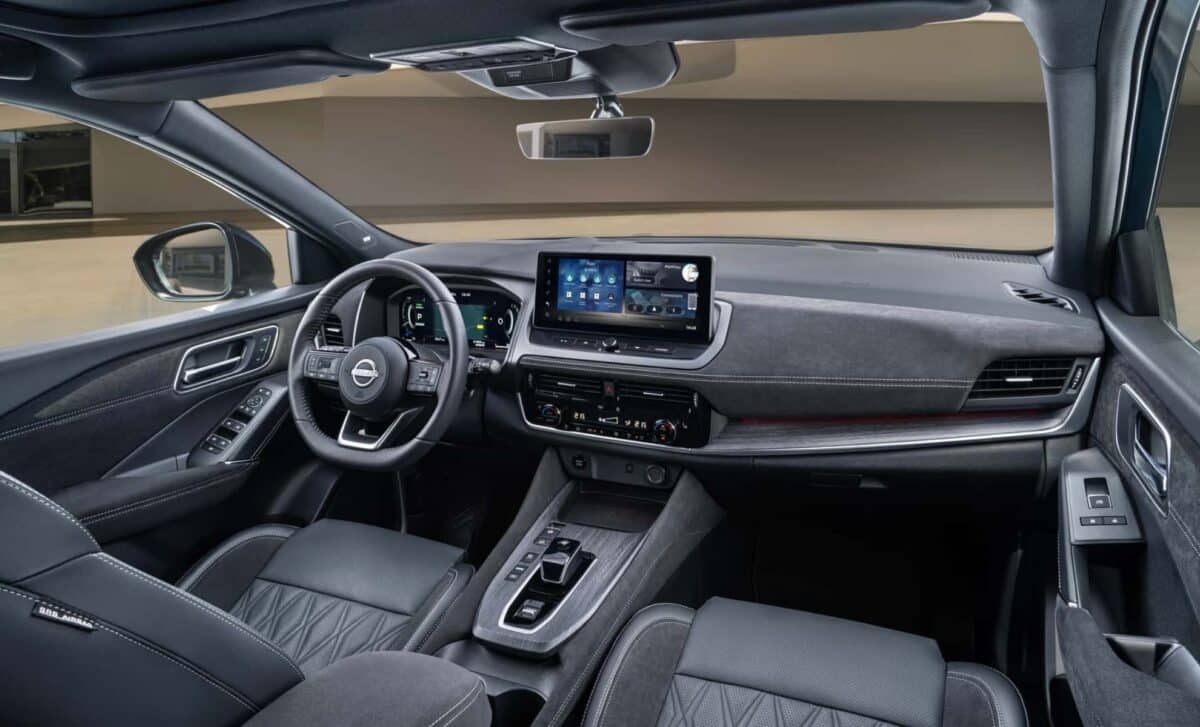
Both SUVs take digital seriously but differ in execution. Toyota opts for a functional layout with flexible rear seating, while Nissan focuses on tech harmony and tactile elegance in a tighter space.
Engine Tech: Classic Hybrid vs Electric-Driven Innovation
Mechanically, the Toyota RAV4 sticks to what it does best. The full hybrid versions use a 2.5-liter gasoline engine combined with one or two electric motors, producing 183 hp (front-wheel drive) or 191 hp (all-wheel drive). The plug-in hybrid pushes that to 304 hp and offers 100 km of electric-only range thanks to a 22.7 kWh battery, chargeable via DC at 50 kW or AC at 11 kW.
The Nissan Qashqai e-Power takes a different path. Its 1.5-liter turbo engine doesn’t drive the wheels at all—it acts purely as a generator. The wheels are powered only by an electric motor delivering 205 hp, offering immediate acceleration and a driving feel similar to full EVs. There’s also a 1.3-liter mild hybrid option available in 140 hp or 158 hp versions, with either a six-speed manual or a continuously variable automatic. Except for the 158 hp version with optional AWD, all other variants are front-wheel drive.
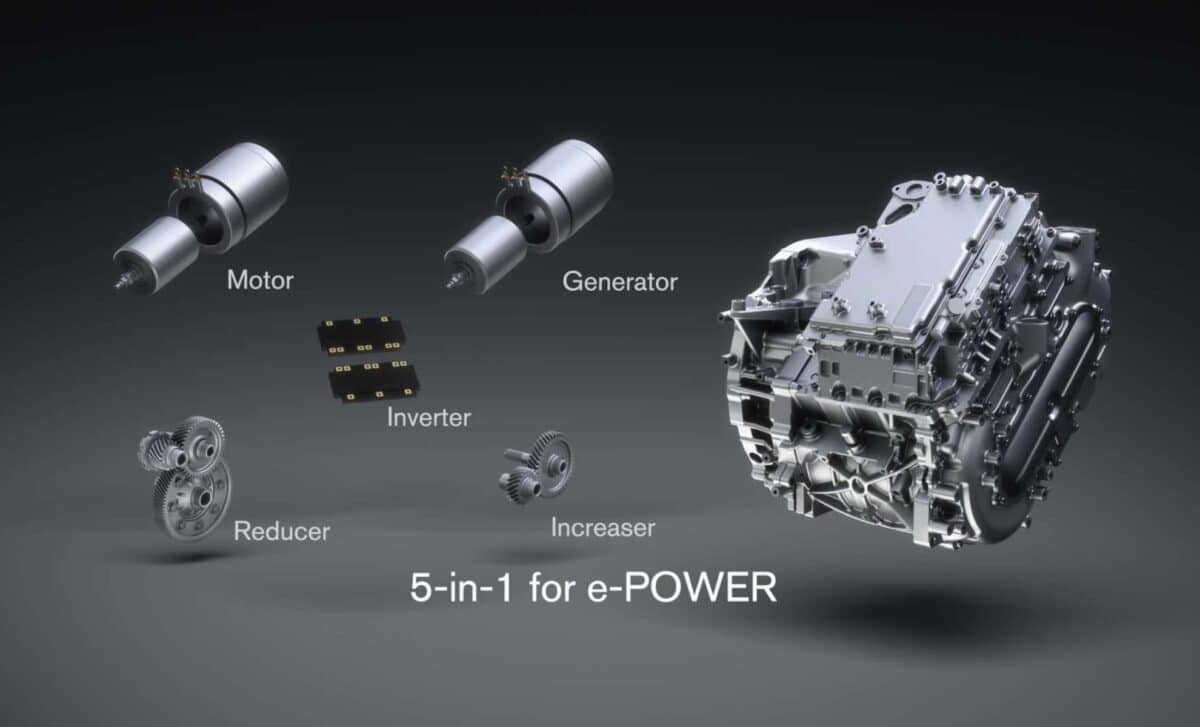
This fundamental difference sets the tone for how each vehicle handles: Toyota splits the work between electric and combustion, while Nissan lets electric take the lead entirely—even if fuel is still part of the equation.
Pricing Structure: Performance Versus Accessibility
The Toyota RAV4 starts at $48,424 for the base full hybrid front-wheel-drive model. For those interested in plug-in capabilities, the entry price rises to $54,129. These figures reflect Toyota’s positioning of the RAV4 as a premium, spacious hybrid with strong performance.
The Nissan Qashqai, by comparison, starts at $34,882 for the mild hybrid manual model. The more sophisticated e-Power version comes in at $40,767, offering a tech-rich yet more affordable entry point into electric-style driving.
Toyota targets those looking for size, flexibility, and long-range hybrid power, while Nissan appeals to buyers wanting a compact, stylish SUV with an innovative engine setup and lower starting costs.
Both models show how hybrid thinking can go in very different directions—yet still meet the same goal of offering smart, fuel-efficient driving without fully committing to electric power.