
As the world grapples with climate change, the debate over how to transition away from fossil fuels intensifies. In a live demonstration above the city’s Garment District, Aircela showed how its technology can convert carbon dioxide directly from the atmosphere into synthetic fuel, all without the need for oil drilling or modifications to existing vehicle engines.
This technology, which has already been successfully demonstrated, could provide a seamless way to decarbonize transportation and industry while preserving current systems.
Converting Air Into Gasoline
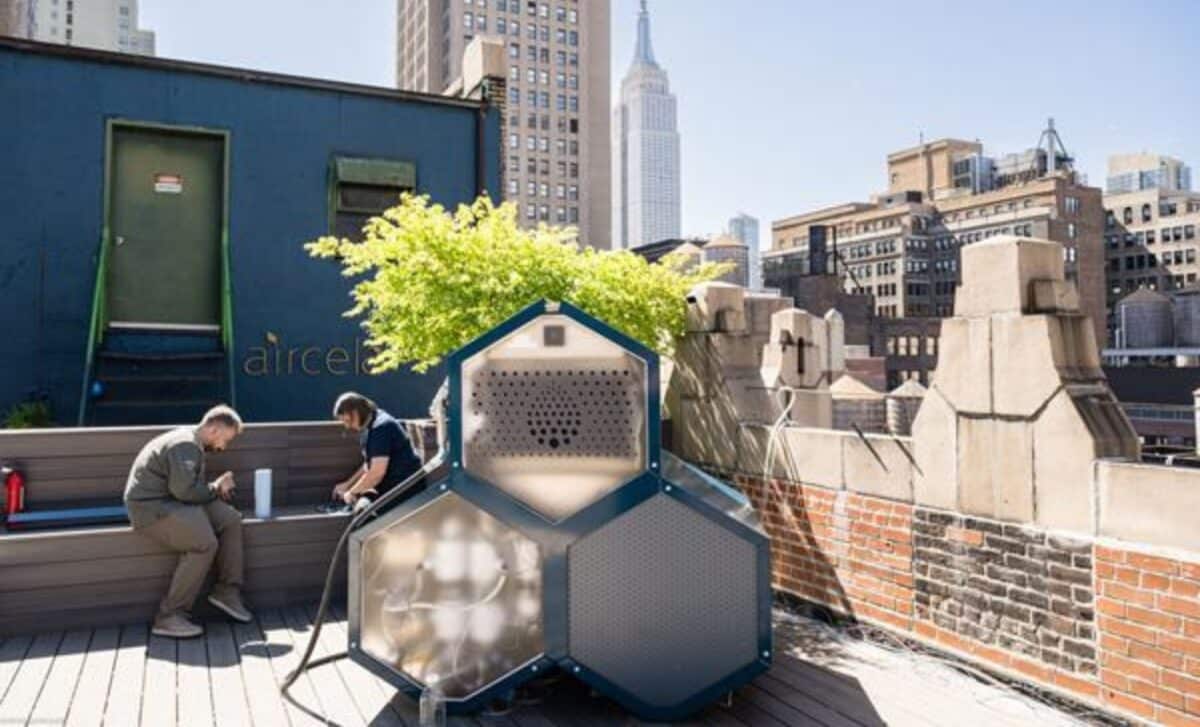
Aircela’s system captures carbon dioxide directly from the air using a compact, modular device and converts it into liquid gasoline. The process, powered by renewable electricity, is capable of producing fuel that is chemically identical to conventional gasoline but without contaminants like sulfur or ethanol.
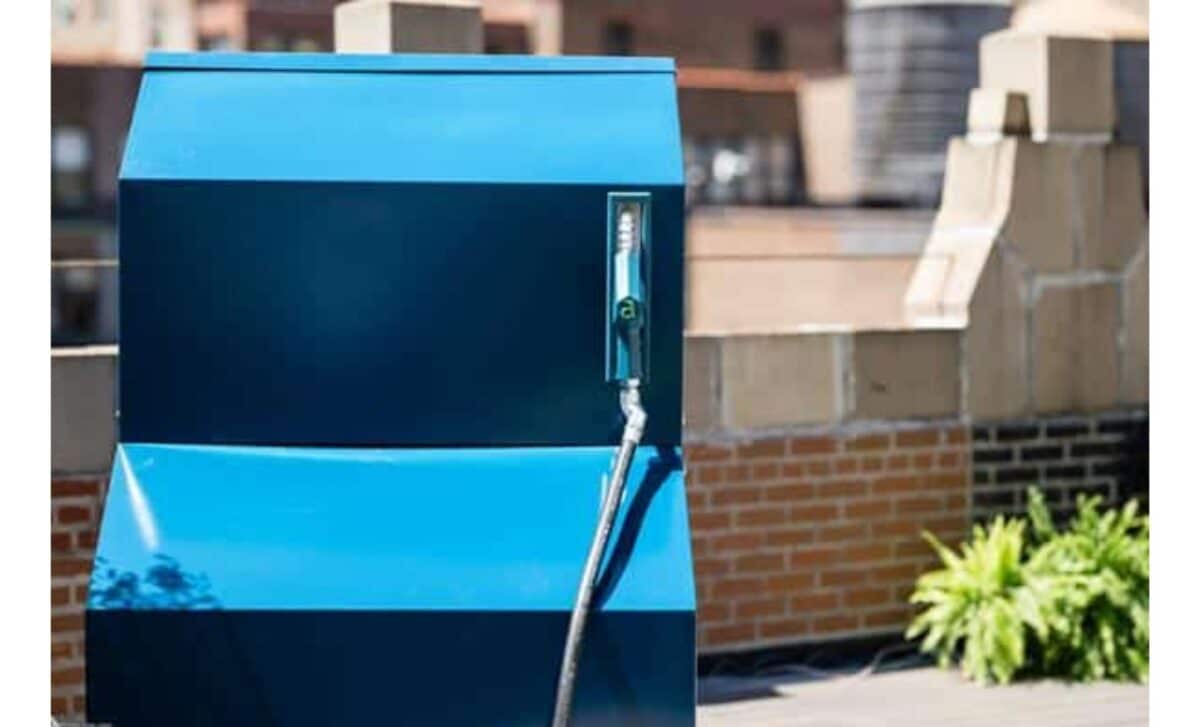
In a rooftop demonstration in New York, Aircela filled a standard gasoline bottle with the synthetic fuel, impressing attendees, including New York City Councilmember Erik Bottcher and New York State Energy Chairman Richard Kauffman.
This technology could transform the fuel industry by offering a drop-in solution for existing gasoline engines. As the synthetic gasoline requires no modifications to vehicle engines or refueling infrastructure, it presents an immediate and accessible option for reducing carbon emissions from transportation. According to Indian Defence Review, this system is designed to work with current vehicle fleets, providing an alternative that aligns with the existing energy infrastructure.
The Future of Fuel Production
What sets Aircela apart from traditional fuel production methods is its modular design. Each unit is roughly the size of a refrigerator and can be deployed in a variety of settings, from homes and businesses to remote locations. This decentralized approach allows for on-demand fuel production, reducing the need for centralized refineries and offering greater energy resilience, especially in regions with limited access to traditional fuel supply chains.
The modular nature of Aircela’s technology also makes it adaptable to various use cases. The company envisions these systems being deployed in off-grid areas, industrial sites, or regions where renewable energy sources like solar or wind are abundant.
Confidence in a Clean Fuel Revolution
Aircela has already attracted significant investment from major players in the clean energy and tech sectors. Maersk Growth, the venture arm of the global shipping giant A.P. Moller–Maersk, has invested in the startup. The shipping industry, which has long struggled to find sustainable fuel alternatives for long-haul cargo, sees promise in Aircela’s technology. Additionally, notable figures like Chris Larsen, co-founder of Ripple Labs, and Jeff Ubben, an activist investor, are backing the company, signaling confidence in its potential.
The involvement of these investors underscores the growing interest in synthetic fuels as a viable alternative to fossil fuels. Although synthetic fuels have been explored for decades, they have often been too large or costly for widespread use. Aircela’s focus on miniaturization and easy deployment could unlock new markets, offering a cleaner fuel alternative that doesn’t require a major overhaul of existing infrastructure.
Challenges and the Path Forward for Synthetic Fuels
While Aircela’s technology offers exciting possibilities, there are significant challenges to scaling the process. The conversion of water into hydrogen, a key step in the fuel production process, requires substantial energy input. To maintain carbon neutrality, this energy must come from renewable sources. However, if the energy input is not entirely renewable, the environmental benefits of the synthetic fuel could diminish.
Aircela has not yet disclosed the costs of production or fuel output rates, but the company’s early focus appears to be on off-grid installations and industrial applications, where traditional fuel supply chains are less efficient or more carbon-intensive. The company’s approach could potentially sidestep the energy-intensive infrastructure required for electric vehicles, offering a more accessible solution for industries where batteries may not be practical.
On the regulatory front, synthetic fuels are gaining traction, particularly in Europe, where the European Union’s Fit for 55 plan allows e-fuels to count toward emissions reduction targets. In contrast, the U.S. has not yet established a similar framework, which could make it more difficult for companies like Aircela to gain widespread acceptance. Nevertheless, the company’s ability to produce fuel without the need for large infrastructure upgrades could make it a compelling option in regions with abundant renewable energy resources.