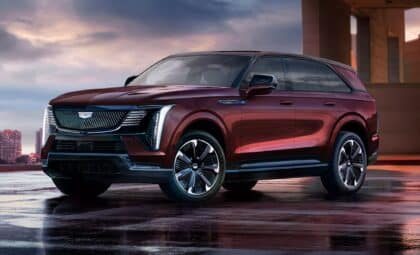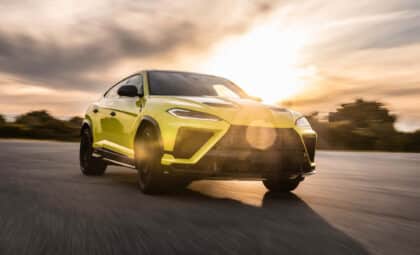

A significant number of electric cars, vans, and trucks once planned for 2025 have been canceled, delayed, or quietly shelved as automakers navigate weak demand, shifting policies, and changing consumer priorities.
After years of acceleration, the U.S. electric vehicle market is abruptly hitting the brakes. Major players like Ford, General Motors, Nissan, Mercedes-Benz, and Volkswagen have scaled back or scrapped EV programs altogether this year. These decisions reflect the industry’s recalibration in the face of slower-than-expected growth and evolving market pressures.
Production pauses, tariff hikes, and tax credit expirations have all contributed to this widespread pullback. The list of affected vehicles spans nearly every segment, from mass-market crossovers to high-end luxury sedans and commercial vans, revealing just how deep the slowdown has cut across the U.S. auto landscape.
From Flagship to Fallback: Ford and GM Slash EV Ambitions
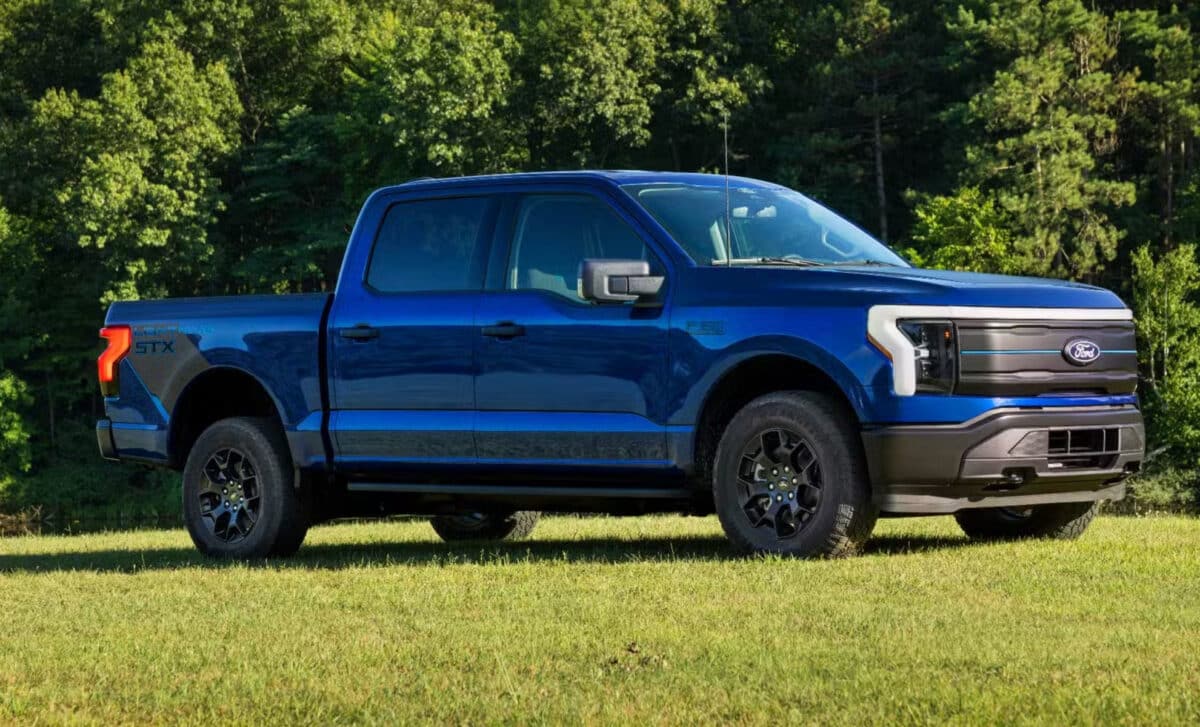
One of the most symbolic moves came from Ford, which confirmed the discontinuation of the F-150 Lightning in December 2025, just three and a half years after it launched as the first mass-market electric truck in the U.S. Ford will now redirect its focus toward hybrids and extended-range electric vehicles.
The company also canceled its next-generation full-size electric truck, codenamed Project T3, after postponing it multiple times, from 2025 to 2027, then to 2028. It has now been replaced by a new F-150 Lightning model that will combine an electric powertrain with a gasoline generator, similar to Ram‘s approach.
Ford’s EV restructuring extended to its commercial lineup as well. A new electric van, meant to replace the aging E-Transit, was canceled. Originally promised for the middle of the decade, the model will be replaced by a more affordable gasoline and hybrid-powered commercial van, as confirmed during the same press event that announced the end of the Lightning.
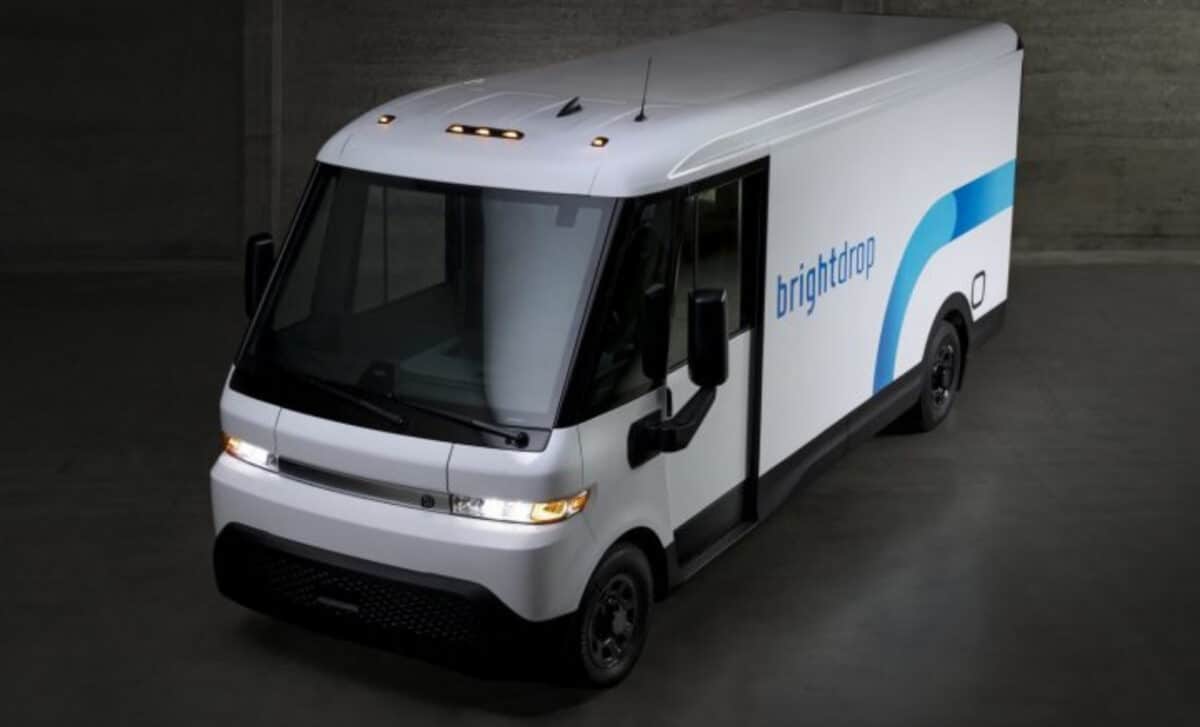
Meanwhile, General Motors has terminated its BrightDrop electric van program. The Zevo 400 and Zevo 600, initially launched under a standalone brand and assembled in Canada, faced repeated production halts due to limited demand. GM eventually folded BrightDrop into the Chevrolet brand, renamed the models as Chevrolet BrightDrop 400 and 600, and then canceled both in October 2025. The automaker cited a “much slower than expected” development in the electric delivery van sector.
Luxury and Performance Models Pulled From the Fast Lane
At the premium end of the market, several electric sedans and SUVs were also pulled back. Mercedes-Benz paused production of all EQE and EQS models bound for the U.S. on September 1, including the EQE Sedan, EQE SUV, EQS Sedan, and EQS SUV. A Mercedes-Benz USA spokesperson confirmed that order banks had already been closed at the start of the month, even for vehicles assembled in the U.S. Cars destined for other global markets are unaffected.
Genesis opted to discontinue the Electrified G80 for the U.S. starting with the 2025 model year. Despite its reputation for comfort, the model failed to gain traction in the American market. A newly implemented 15% import tariff on South Korean-built vehicles further impacted its competitiveness. While the G80 received a refresh elsewhere, a U.S. comeback appears unlikely.
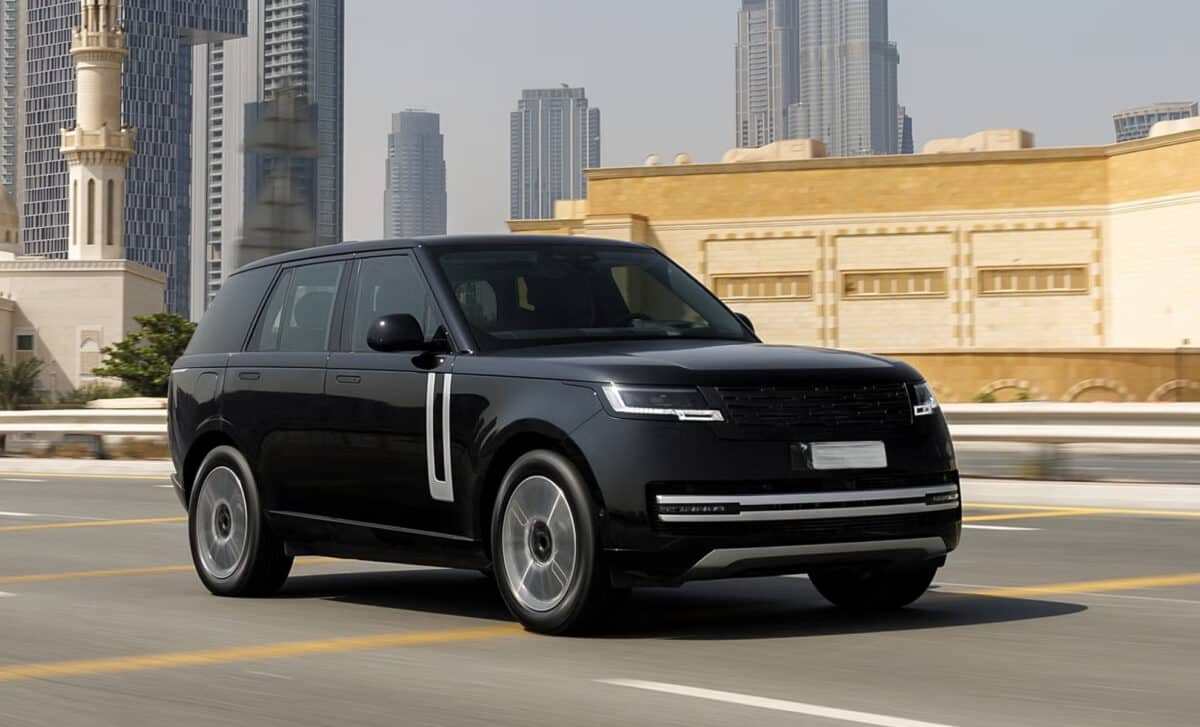
Land Rover has delayed the U.S. launch of its Range Rover Electric to early 2026. The premium electric SUV, originally set to begin deliveries in 2025, is now on hold to allow more time for fine-tuning and to wait for firmer customer interest.
Maserati canceled its MC20 Folgore, the electric version of its flagship sports car. Based on the V6-powered MC20, the two-door electric coupe was axed due to lackluster demand. The Italian brand, part of Stellantis, still offers three EVs in the U.S.: the GranTurismo, GranCabrio, and Grecale.
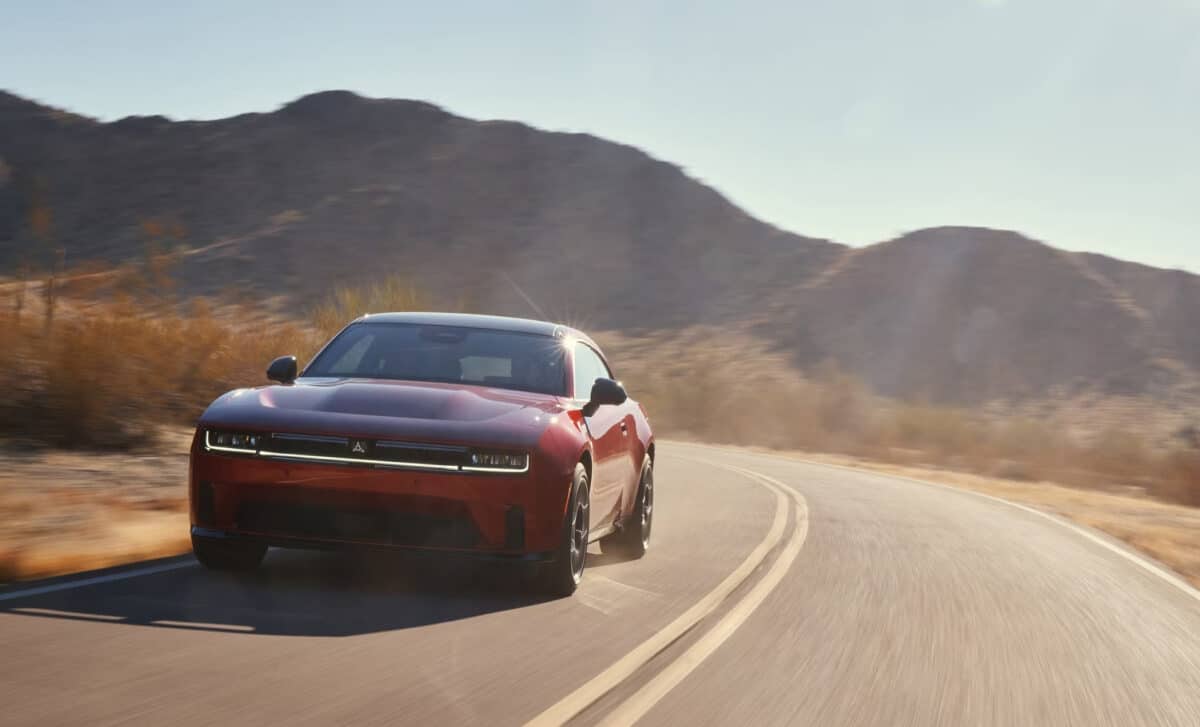
Dodge made adjustments to both variants of its next-generation electric muscle cars. The Charger Daytona R/T, aimed at entry-level buyers, was postponed to 2026 following poor reception, high pricing, and new tariffs on Canadian-built cars. The higher-performance Charger Banshee, which was to feature over 800 hp, an 800-volt system, and a multi-speed transmission, has been reportedly canceled, according to a MoparInsiders source.
Asian and European Brands Scale Back Production Plans
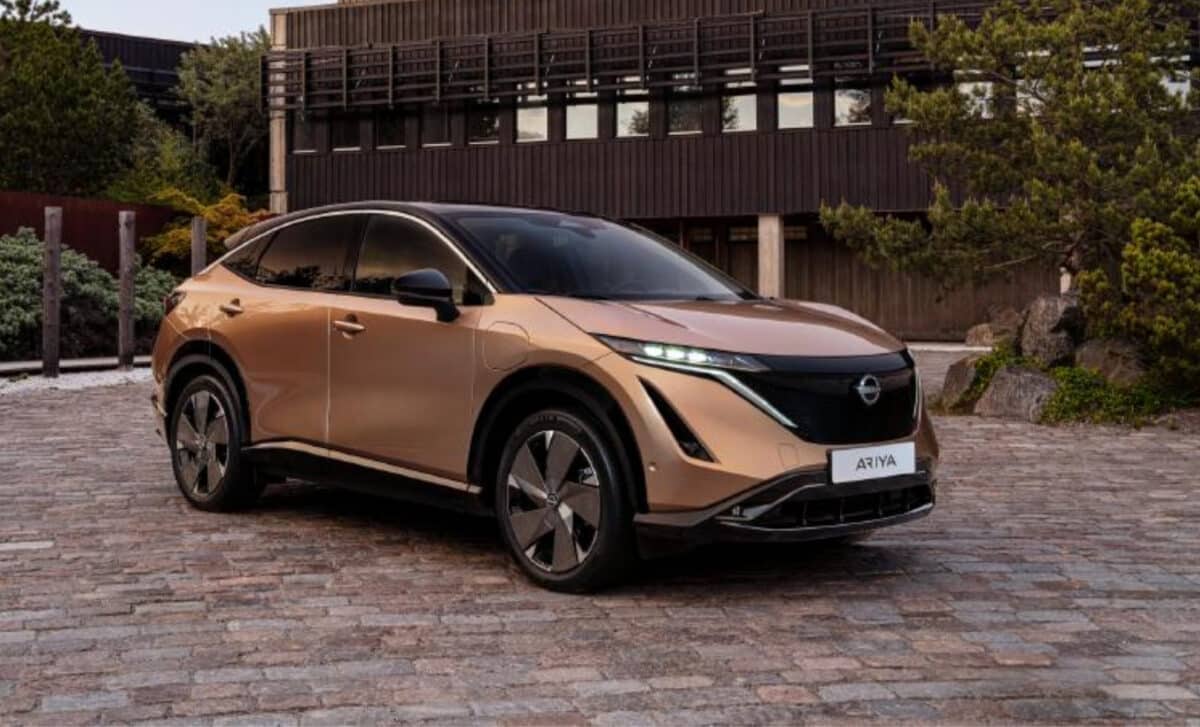
Nissan is shifting its U.S. electric vehicle strategy on multiple fronts. Production of the Ariya crossover will be halted for the U.S. in the 2026 model year, just a few years after launch. The model’s premium pricing and modest performance, combined with the expiration of the $7,500 federal tax credit in September, contributed to its early exit. The company is now focused on its new Leaf, which remains one of the most affordable EVs in the U.S.
Beyond that, two electric sedans slated for production at Nissan’s Canton, Mississippi plant, the LZ1F and LZ1E, have been canceled. The company stated that it would “reassess them as part of a new vehicle program” in response to recent market conditions. These models were to be built under the Nissan and Infiniti brands.
Two additional electric crossovers, also planned for the Canton facility and codenamed PZ1K (Nissan) and PZ1J (Infiniti), have been delayed by 10 months. They are now scheduled to start production in November 2028 and March 2029, respectively.
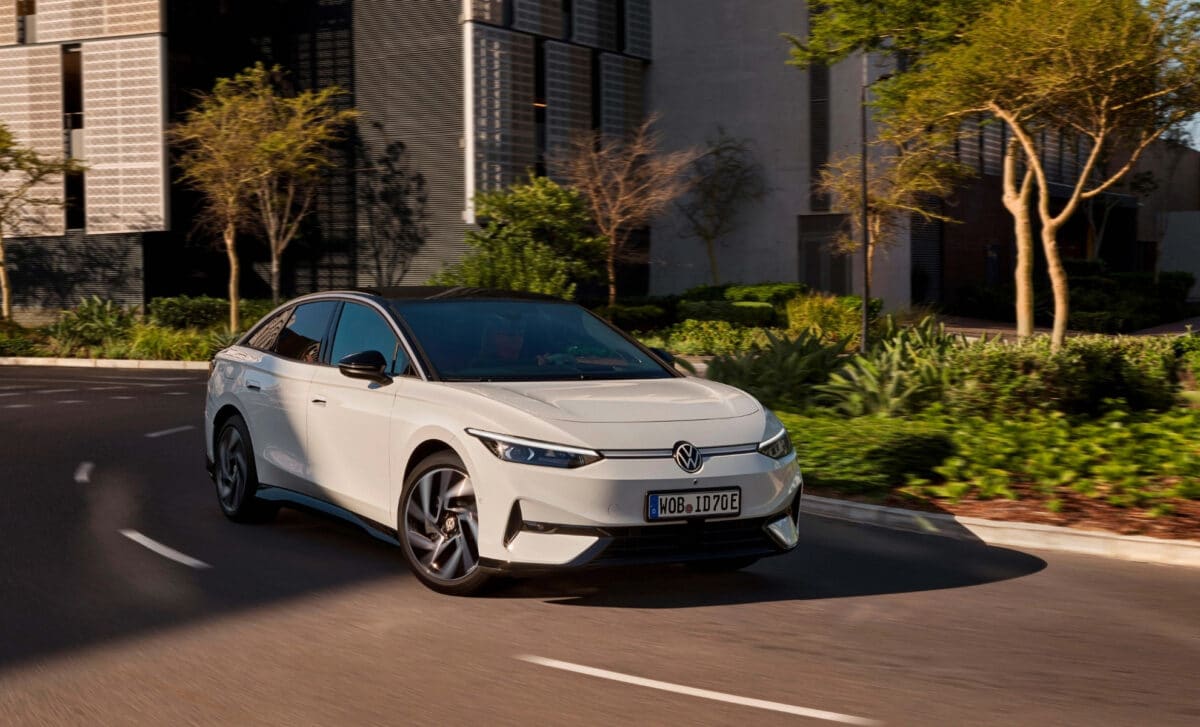
Volkswagen pulled back on two anticipated EVs. The ID.7, a sleek electric sedan expected to launch in North America in late 2024, was canceled for the U.S. in early 2025. The company attributed the decision to the “ongoing challenging EV climate”. While the model continues in Europe, now with an additional wagon variant, it won’t be coming to U.S. showrooms.
The retro-inspired Volkswagen ID.Buzz electric minivan will also skip the 2026 model year in the U.S. VW described this move as the result of a “careful assessment” of EV market conditions, though the company said it still views the ID.Buzz as an important halo vehicle and plans to return with a 2027 model.
Polestar has indefinitely paused U.S. sales of the Polestar 2, its first mass-market EV. The decision stems from its Chinese origins and related import tariffs. The model has already been removed from the company’s U.S. website, though existing inventory remains available.
Lastly, Porsche has delayed the launch of its flagship electric SUV, initially planned to debut above the Cayenne. The vehicle will now first launch with gasoline and plug-in hybrid powertrains, with no timeline provided for the pure EV version.
Ram has also made a dramatic change to its electrification strategy. The fully electric Ram 1500, which had been repeatedly delayed and was set to launch in 2027, has been canceled. The company is now moving forward with the Ramcharger, a range-extended version powered by an electric drivetrain and a V6 gasoline generator, now officially renamed Ram 1500 REV.