
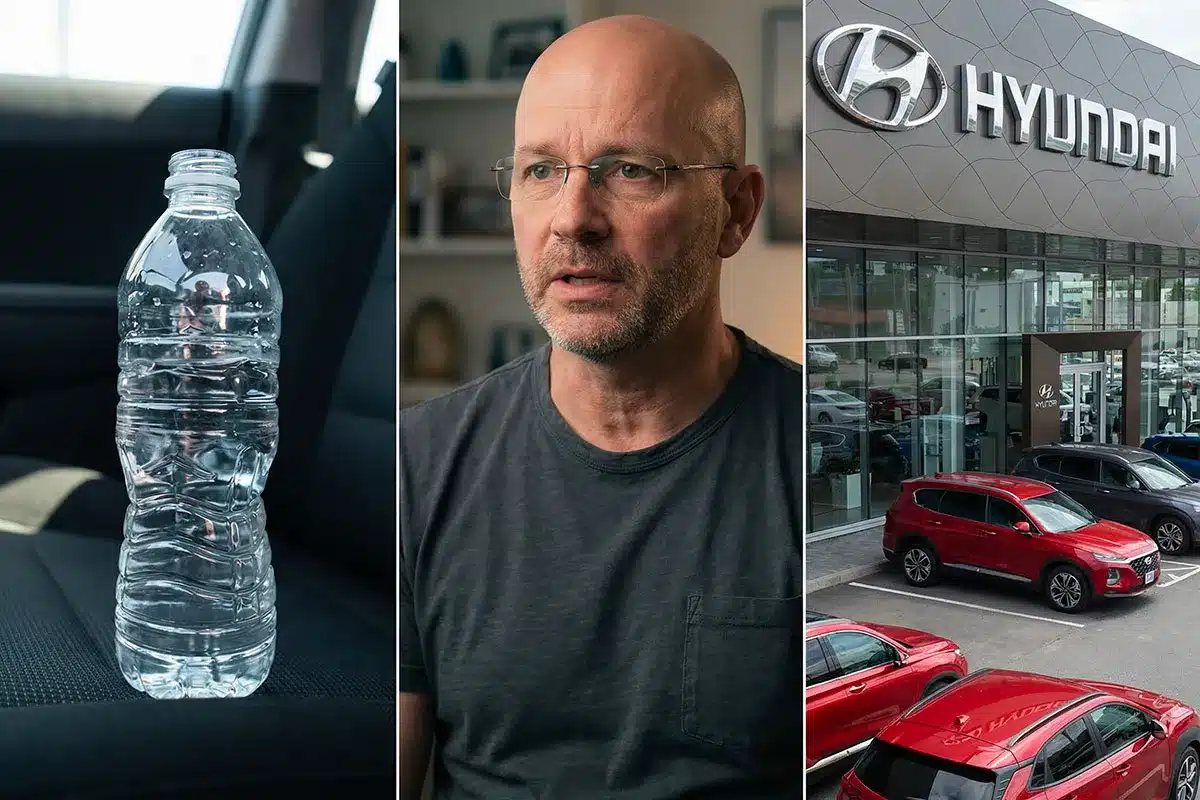
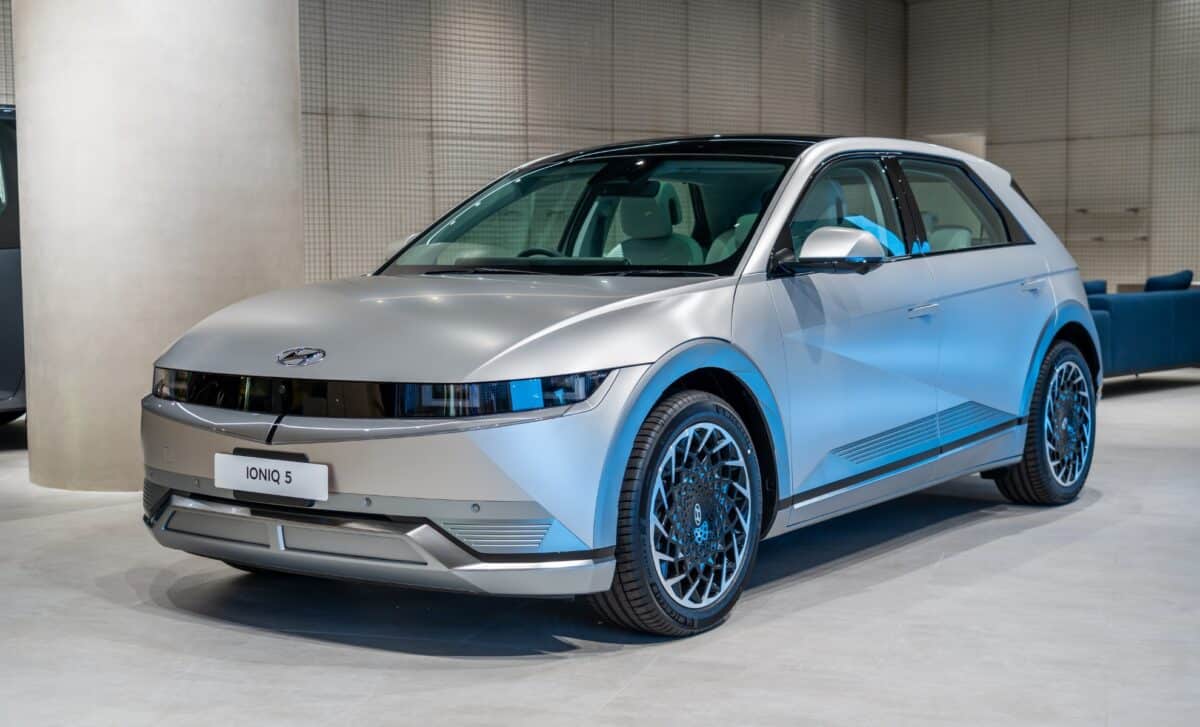
When Michael McCormick, the owner of a Hyundai Ioniq 5, ran into an unexpected problem, it highlighted a growing issue with modern electric vehicles: repairs can be complicated and pricey. The episode happened while he was driving on Interstate 4 in Florida, when a seemingly minor 20-ounce water bottle mishap turned into an expensive headache.
The Spill and the Immediate Problems
McCormick’s trouble started when a bottle in the back seat got kicked loose after he tapped the brakes. The bottle shot forward and spilled water near his ankles. Minutes later, warning lights lit up on his all-electric SUV’s dashboard. By the time he made it home, his turn signals weren’t working and he couldn’t completely shut the car off. Hopes of a quick fix vanished once he brought the car to a dealership for a checkup.
At the dealership, technicians found moisture damage to the wiring harnesses under the seat and floorboard. They also noted sand on the driver’s side as a possible factor. The dealership determined the damage came from “external factors” rather than a manufacturing defect.
The Price Tag and What Insurance Said
The repair estimate came to $11,882.08. McCormick was shocked to find neither Hyundai’s warranty nor his State Farm insurance policy would cover the cost. The warranty didn’t apply because the dealership said it wasn’t a manufacturer defect, and State Farm said the damage was from corrosion that developed over time. A State Farm representative said, “In general, if a vehicle shows evidence of long-term exposure to moisture, such as rot, rust, or corrosion, that type of damage is not covered by an automobile policy.”
That financial burden speaks to a bigger problem many EV owners face. As consumer advisor Clark Howard of Action 9 put it, “Cars are so complicated now; fixing them as a result is so much more expensive.”
What This Means for Other EV Owners
McCormick’s story isn’t unique. Other Hyundai Ioniq 5 owners have reported similar under-seat wiring problems and steep repair bills. A post on Reddit described a similar situation as a “nightmare,” warning readers about possible five-digit repair costs.
Data from experts backs up those anecdotes. According to Mitchell, a software provider for auto insurers, repairs for electric vehicles after an accident run about 30% more than for gas-powered cars, with an average claim of $6,066 for EVs versus $4,703 for traditional vehicles. The National Association of Insurance Commissioners (NAIC) also notes that insurance premiums for electric vehicles can be up to 20% higher than for conventional cars.
Tips for Owners and Buyers
Given all that, owners and shoppers should read insurance policies and warranty fine print carefully, especially around moisture damage and electronics. Ask clear questions like: “What exactly counts as ‘sudden accidental damage’?” and “Is water intrusion ever covered and under what circumstances?“
Clark Howard also suggests keeping an emergency fund, since unexpected vehicle repairs continue to be a major financial strain for Americans.
These points paint a picture of how vehicle ownership is changing: newer tech brings benefits but also higher repair bills and more things that can go wrong. For owners of all-electric SUVs like the Hyundai Ioniq 5, taking proactive steps can help avoid surprises down the road.