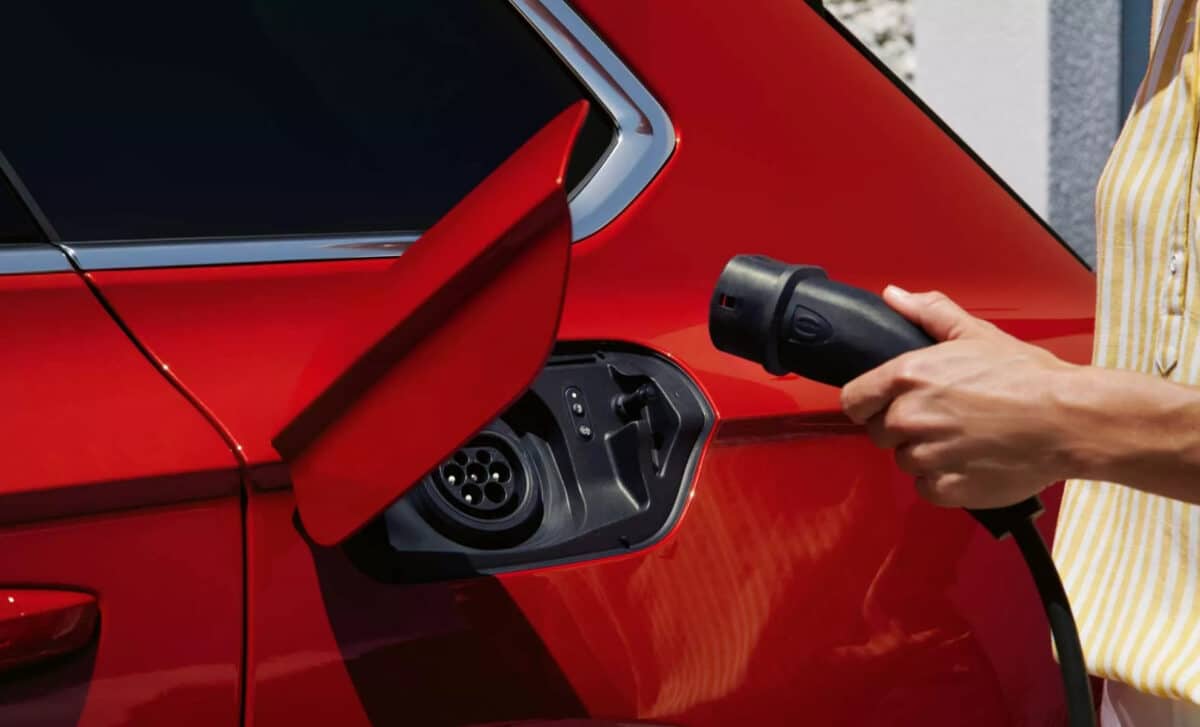
In 2025, Volkswagen surged past the American manufacturer to become the new number one in both battery-electric vehicles and plug-in hybrid sales across the continent. A position few would have predicted five years ago, during the troubled launch of the ID.3.
The reversal of fortunes underlines a major realignment in Europe’s electrified car market. While Tesla grapples with shrinking sales, Volkswagen has capitalized on strong domestic demand and a diversified product range to climb to the top. The shift also has wider implications for CO2 emissions, regulatory targets, and the competitive dynamics between legacy automakers and EV specialists.
This performance not only ends Tesla’s dominance but also allows Volkswagen to consolidate its role as a central player in Europe’s transition to low-emission vehicles.
Volkswagen Takes the Crown From Tesla
Volkswagen closed 2025 with 274,417 electric cars sold in Europe, representing a 56% increase from the previous year. In comparison, Tesla’s numbers dropped 27% to 238,765 units, pushing the U.S. brand to second place. Volkswagen’s rapid rise is due in large part to renewed consumer confidence, particularly in Germany, where national loyalty to the brand continues to outweigh past reliability issues or image setbacks.
The article highlights that German buyers, known for favoring local brands, played a key role in this success, especially by driving sales of the T-Roc, Tiguan, and Golf. These three compact models ranked among the best-selling cars in Europe last year, only trailing the Dacia Sandero and Renault Clio, both of which are positioned in more affordable segments.
The impact extends beyond pure sales. Volkswagen’s growing share of EVs contributes directly to reducing the average CO2 emissions of its fleet, a critical factor as European regulations continue to tighten.
A Plug-in Hybrid Strategy That Pays Off
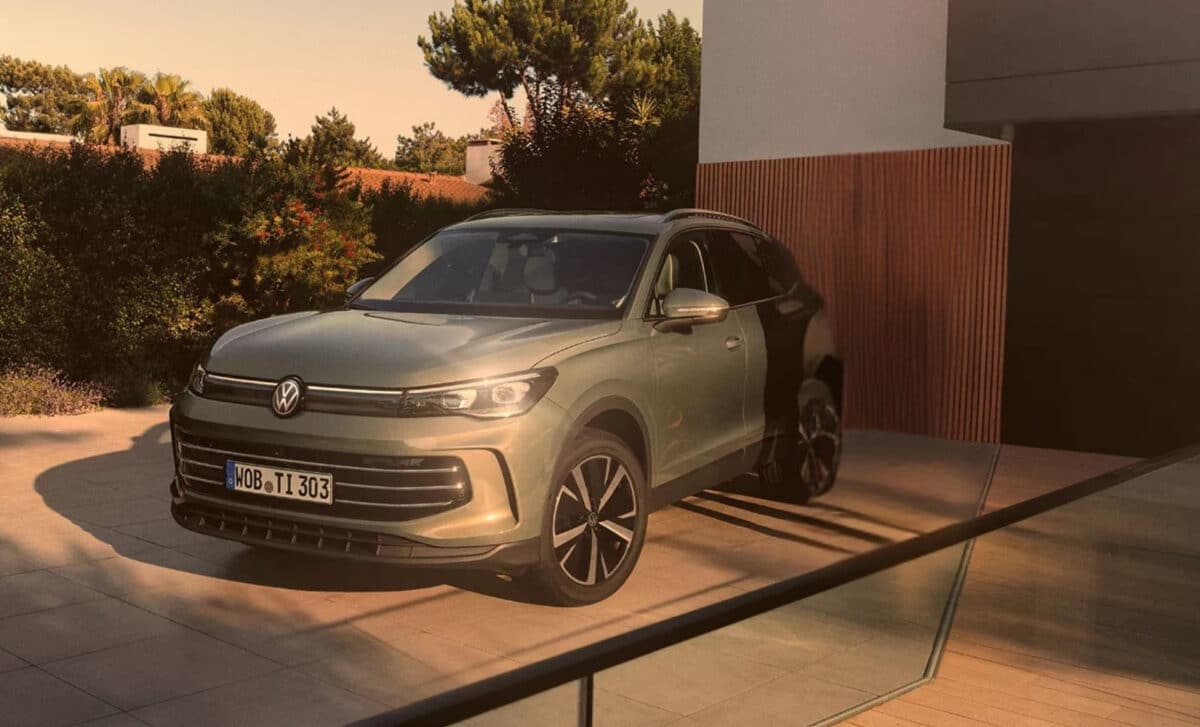
Volkswagen’s strong showing in plug-in hybrids (PHEVs) complements its electric vehicle success. In 2025, the company tripled its PHEV sales, surpassing both BMW and Mercedes for the first time in this category. Much of that growth can be attributed to the new Tiguan, which became the fourth best-selling car in Europe during the year.
This dual success means Volkswagen now leads in both rechargeable technologies, BEVs and PHEVs, a position that amplifies its competitive edge as customers look for flexible electrification options. Yet the brand still lacks presence in non-rechargeable hybrid vehicles, an area it has yet to fully explore.
Volkswagen has not introduced traditional hybrids in its range, aside from mild hybrid systems that don’t qualify as full hybrids. That gap is set to narrow. The company has confirmed the upcoming launch of a full hybrid powertrain, expected by the end of 2026, starting with the Golf.
Tesla Slows Down, Skoda Accelerates
The shifting landscape hasn’t only impacted Tesla. Skoda, another Volkswagen Group brand, more than doubled its EV sales last year, delivering 172,100 units, a 117% increase. The growth was driven almost entirely by the Elroq, a compact SUV that resonated with European buyers. Skoda is now preparing to expand its lineup with the Epiq, a smaller model sharing its platform with the Cupra Raval and Volkswagen ID.2.
While Tesla remains a key player, its response to declining sales has been reactive. The company has multiplied discount offers and promotional deals on the Model 3 and Model Y, across all drivetrains. But the brand’s sharp drop in registrations suggests the competition is catching up, and fast.
Elsewhere in the rankings, BMW reached 193,186 electric sales in 2025, a 15% gain, while Audi climbed to 153,848 units, posting a 51% increase. These figures reflect an overall acceleration of electrified vehicle adoption, but none were enough to challenge Volkswagen’s new lead.
Volkswagen’s rebound, from a faltering start with the ID.3 to continental dominance in EV and PHEV sales, signals more than a comeback. It marks a shift in European mobility leadership, one driven by consumer loyalty, product diversification, and strategic timing.