

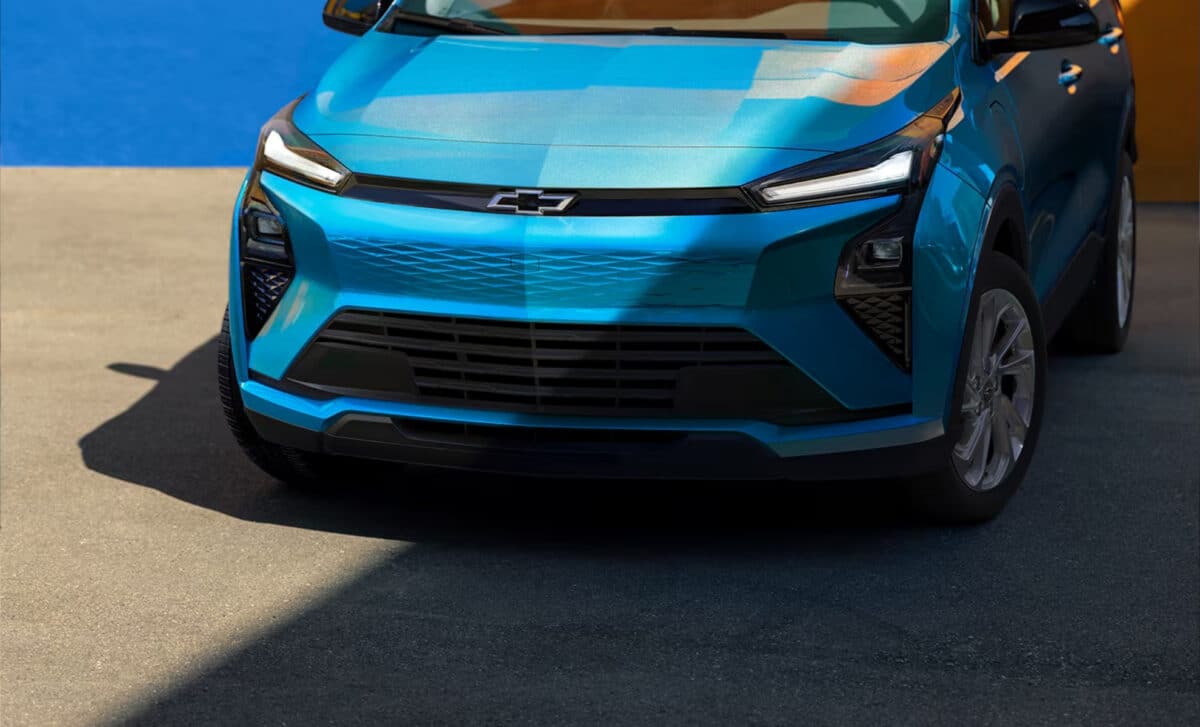
Initially brought back in response to strong customer demand, the 2027 Bolt was marketed as a “limited-run” vehicle from the start. Now, that label has taken on a literal meaning as GM prepares to phase it out in favor of higher-volume, combustion-engine vehicles. The move is closely tied to tariff policy shifts and GM’s evolving production strategy across North America.
When the updated Bolt was revealed in fall 2023, many were surprised by its return, especially after the previous model had already been discontinued. GM made clear that this version of the Bolt was not a long-term product, despite its appeal as an affordable electric car starting at $28,995. The first units are now reaching dealerships, offering up to 255 miles of range, but their time on the market is already ticking down.
Fairfax Plant to Focus on SUV Production
The decision to limit the Bolt’s production run stems directly from GM’s plans for the Fairfax Assembly plant in Kansas City, Kansas. The automaker is shifting production of the Buick Envision from China to the U.S., citing rising tariff costs as a major factor. The new version of the Envision will be built at Fairfax starting in 2026, replacing the Bolt on the line.
In mid-2027, the gas-powered Chevrolet Equinox, currently built in Mexico, will also move to the Fairfax plant. The Equinox is Chevrolet’s second best-selling model, making it a higher priority in GM’s production lineup. GM had already announced last year that it would shift more vehicle production from Mexico to U.S. factories in Michigan, Tennessee, and Kansas, aligning with ongoing political and economic pressures.
The Bolt, meanwhile, appears to have been squeezed out of this reshuffling. Even though it was designed to offer a budget-friendly EV option, the production space it occupies is now earmarked for internal combustion SUVs with broader market appeal.
GM Reiterates Short-Term Vision for Bolt
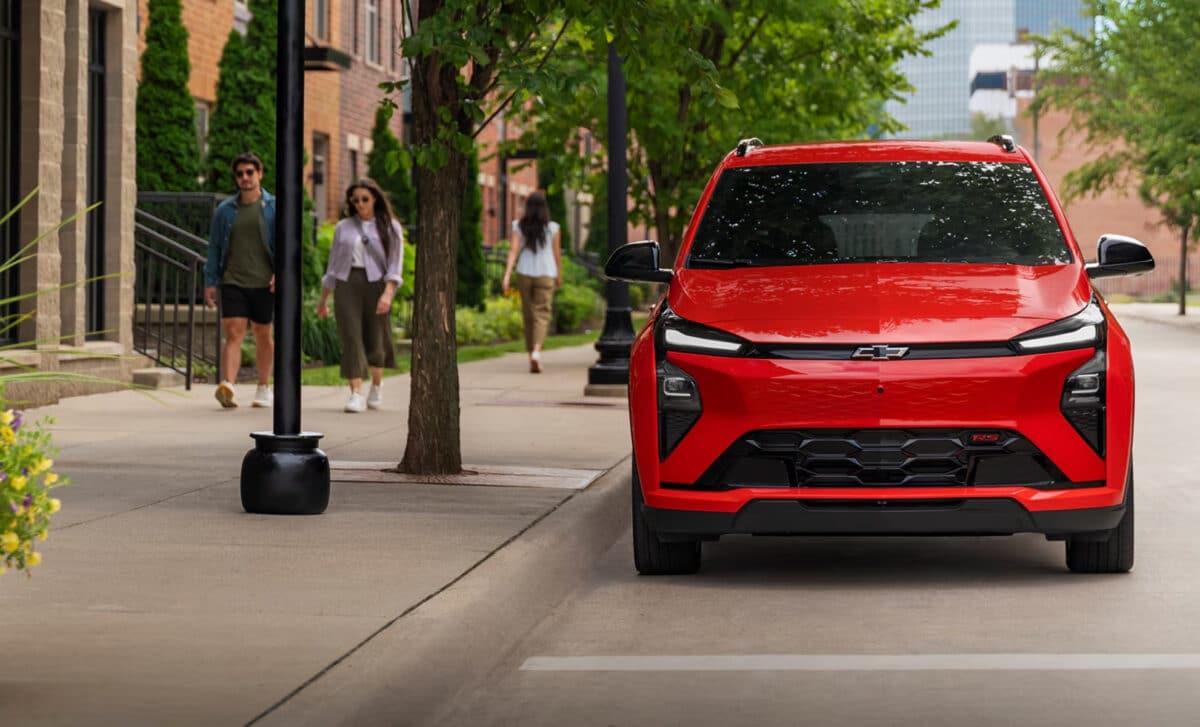
Although the Bolt has a dedicated following and was praised for its affordability and efficiency, GM has never positioned the 2027 version as a long-term fixture in its electric lineup. A spokesperson from the company told MotorTrend that the Bolt was always intended to be a “limited run model,” brought back temporarily due to consumer interest.
When contacted by Car and Driver, Chevrolet did not deny Bloomberg’s report about the 18-month production window. Instead, the company confirmed that the Bolt would be produced alongside the Chevrolet Equinox EV, and that both would make up the majority of Chevrolet’s electric vehicle volume for 2026. This reinforces the idea that the Bolt was brought back as a stopgap measure rather than a strategic reinvestment.
Production of the Bolt has already begun, but GM expects to begin retooling the Fairfax plant by mid-2027 to prepare for the arrival of the new Equinox and Buick SUV models. The next-generation Buick is due in 2028, and while it’s unclear whether it will continue under the Envision nameplate, its planned rollout leaves little room for the Bolt to continue.
Tariff Policies Drive Relocation Decisions
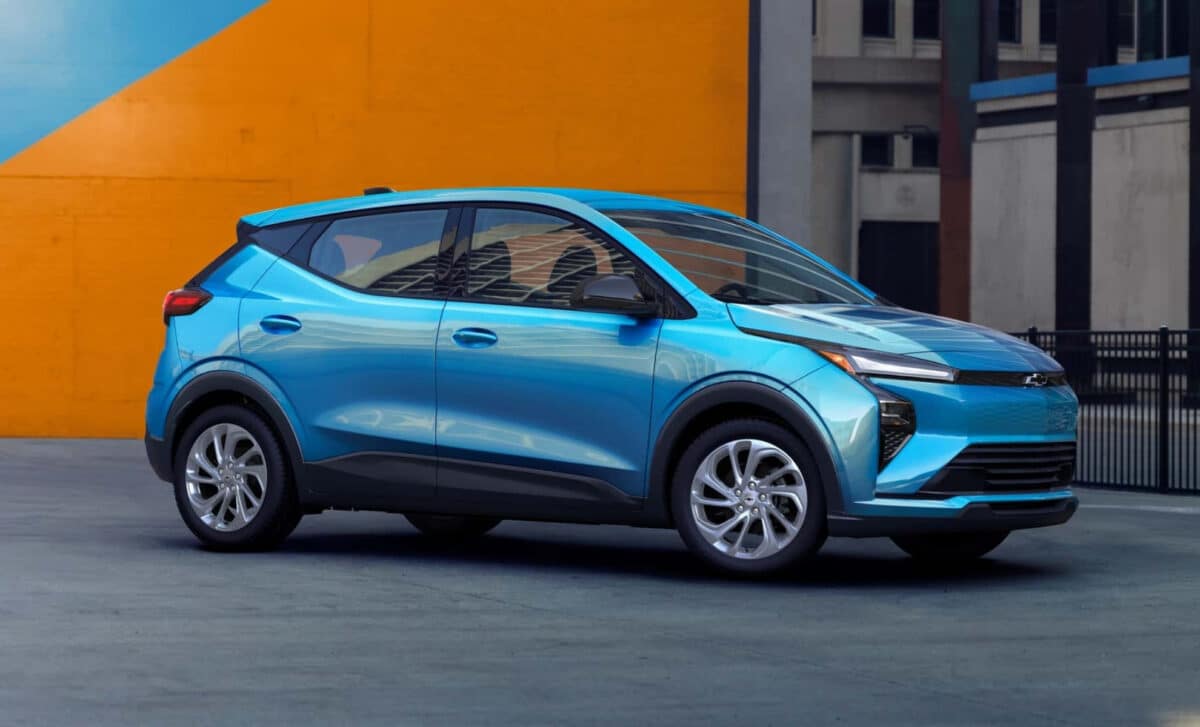
The return and final discontinuation of the Bolt are closely linked to GM’s efforts to adapt to changes in U.S. trade policy. The 2026 Buick Envision, currently produced in Shanghai by SAIC-GM, is being moved to the U.S. largely due to increased tariff costs. This shift is directly tied to tariff pressures introduced under the Trump administration.
These policy changes have pushed GM to reduce reliance on overseas production, particularly in China and Mexico. The company’s broader relocation strategy, bringing more vehicle manufacturing back to U.S. facilities, is meant to stabilize pricing and reduce exposure to unpredictable international trade conditions.
In this context, the Bolt’s short run becomes less about the car itself and more about the larger forces shaping where and how GM builds its vehicles. With demand for electric vehicles growing but still not matching that of SUVs, GM is prioritizing flexibility in its production pipeline to respond to both consumer trends and geopolitical shifts.