
Both companies have filed patents for technology designed to recreate the experience of manual driving, even though EVs don’t actually require gear changes. This quirky idea is already beyond the concept stage, with working test vehicles demonstrating a surprisingly authentic experience. The move could offer nostalgic drivers the chance to “row their own gears” in a zero-emissions future.
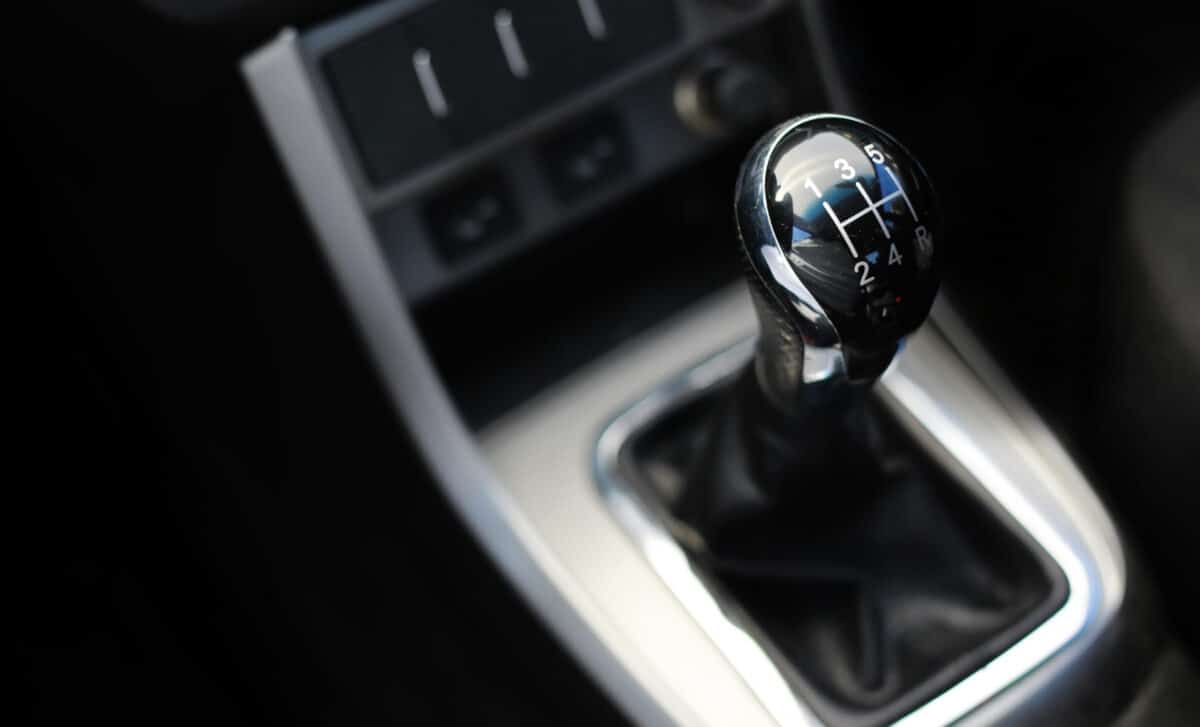
The manual transmission has long been in decline, made nearly obsolete by the rise of automatic gearboxes and, more recently, electric powertrains. EVs offer instant torque and seamless acceleration, eliminating the need for gears altogether. Yet for many enthusiasts, the loss of the manual isn’t just technical, it’s emotional. It’s about engagement, control, and that unique connection between driver and machine.
By simulating the manual experience, Toyota and Subaru are betting that some EV buyers still crave the tactile feedback and mechanical feel of shifting gears. It’s not a matter of performance, far from it. It’s about preserving a driving culture at risk of disappearing altogether.
Programming Fake Gears, Torque Curves, and Engine Sounds
Toyota’s system, as described in a patent filing, involves a clever workaround: instead of using a real gearbox, the electric motor’s torque is digitally modulated to mimic the behavior of an internal combustion engine. The program limits power delivery based on selected “gears” and vehicle speed. To go faster, the driver has to “upshift,” just like in a gas-powered car.
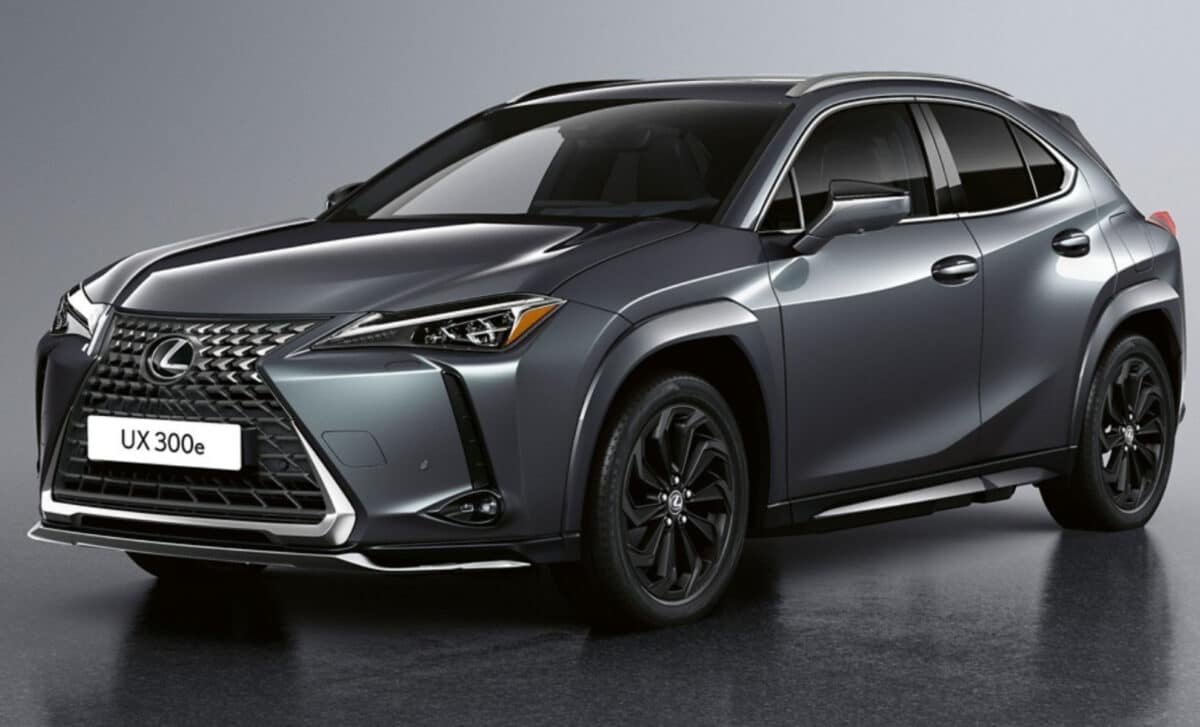
The system even adds artificial engine noises, carefully tuned to evoke specific vehicle types. One prototype, a modified Lexus UX 300e, includes a dashboard-mounted tachometer and makes a custom six-cylinder-style sound. The gear shifter feels like a GR Corolla’s, and the car simulates short, tight shifts with surprising realism. As reported by InsideEVs, testers described the experience as so immersive that they briefly forgot they were in an EV.
Subaru’s contribution takes the simulation a step further. Their patent describes what they call a “jackrabbit start suppression device“, essentially, it causes the EV to “stall” if the driver dumps the clutch, replicating the kind of beginner mistakes common in real stick-shift cars. It also requires pressing the clutch pedal to start the vehicle, purely for the sake of realism.
It’s Not Practical. It’s Just Fun
None of this adds performance to the vehicle. In fact, it arguably reduces it. According to Jalopnik, the simulated manual mode intentionally removes the seamless acceleration EVs are known for. But for those who grew up loving the quirks of gas-powered driving, that’s precisely the appeal.
The system includes an on/off switch, allowing drivers to toggle between the manual simulation and standard EV operation. That means someone can enjoy the virtual stick shift on an open road, then switch to automatic mode for crawling through traffic. This flexibility might make the feature more appealing to a broader range of drivers.
The idea might seem absurd to some. But others see it as a clever way to keep driving engaging in a future dominated by silent, one-speed vehicles. The simulated manual isn’t about faster laps, it’s about smiles per mile.
Broad Potential Beyond Performance Cars
Toyota has already installed this system in a luxury crossover, a segment that traditionally doesn’t include manual gearboxes. This suggests the feature might not be limited to performance models. Jalopnik points out that since it’s entirely software-based, the simulated manual could be adapted to nearly any EV in the lineup.
It also solves a classic issue for manual fans: what happens when someone else needs to drive the car but can’t operate a stick? With this system, the same vehicle can switch instantly between full manual simulation and automatic ease, depending on who’s behind the wheel.
While the patents don’t confirm any production timelines, Toyota and Subaru’s investment in this tech shows they see a future for driver engagement, even in an electrified world.