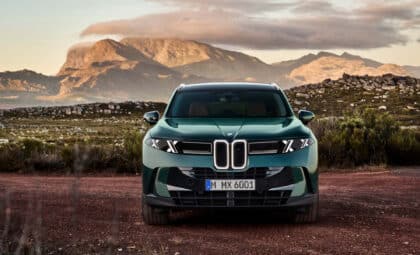
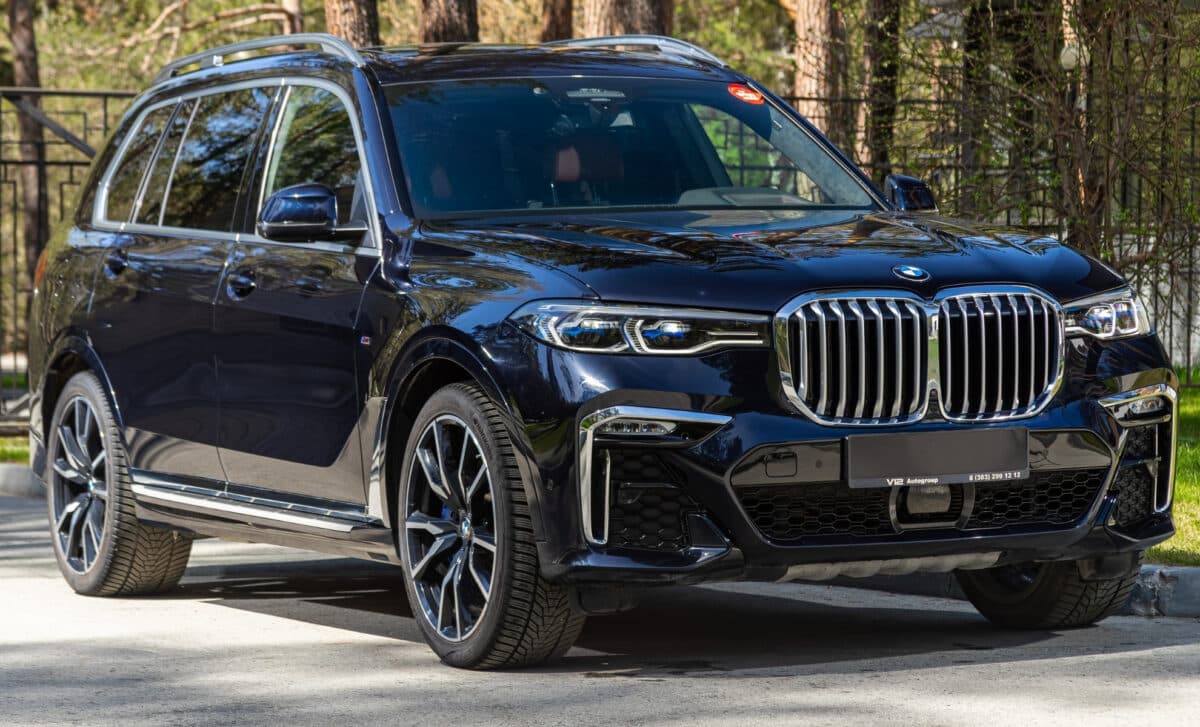
Despite being the largest model ever produced by the Bavarian brand, the BMW X7 is reportedly falling short of expectations in a market where size is not just appreciated but expected.
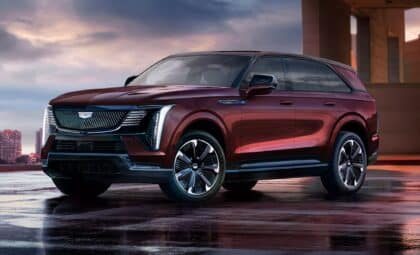
In recent months, American BMW dealers have been sounding the alarm. Their message is simple: the X7, though impressive by European standards, doesn’t hold its ground against full-size luxury SUVs like the Cadillac Escalade or Lincoln Navigator. As strange as it might sound from a European perspective, BMW may have to go bigger, possibly much bigger, to remain competitive in this part of the world.
Dimensions That Don’t Measure Up
The concerns were made public by Kirk Cordill, president of the BMW National Dealer Forum, in an interview with Automotive News. He explained that customers in the US expect more than premium finishes and a badge, they want volume, road presence, and practicality. And when shoppers compare the X7 to domestic heavyweights like the Escalade or Navigator, BMW’s offering appears modest.
The numbers are clear. The Escalade is 21 centimeters longer, 6 centimeters wider, and 11 centimeters taller than the X7. That’s before we even consider the extended Escalade ESV, which adds another 60 centimeters in length. More importantly, the Cadillac offers over 720 liters of space behind the third row of seats, compared to just 360 liters in the BMW. For families or clients who regularly travel with passengers and luggage, that’s a meaningful difference.
An X9 or an Alpina Solution?
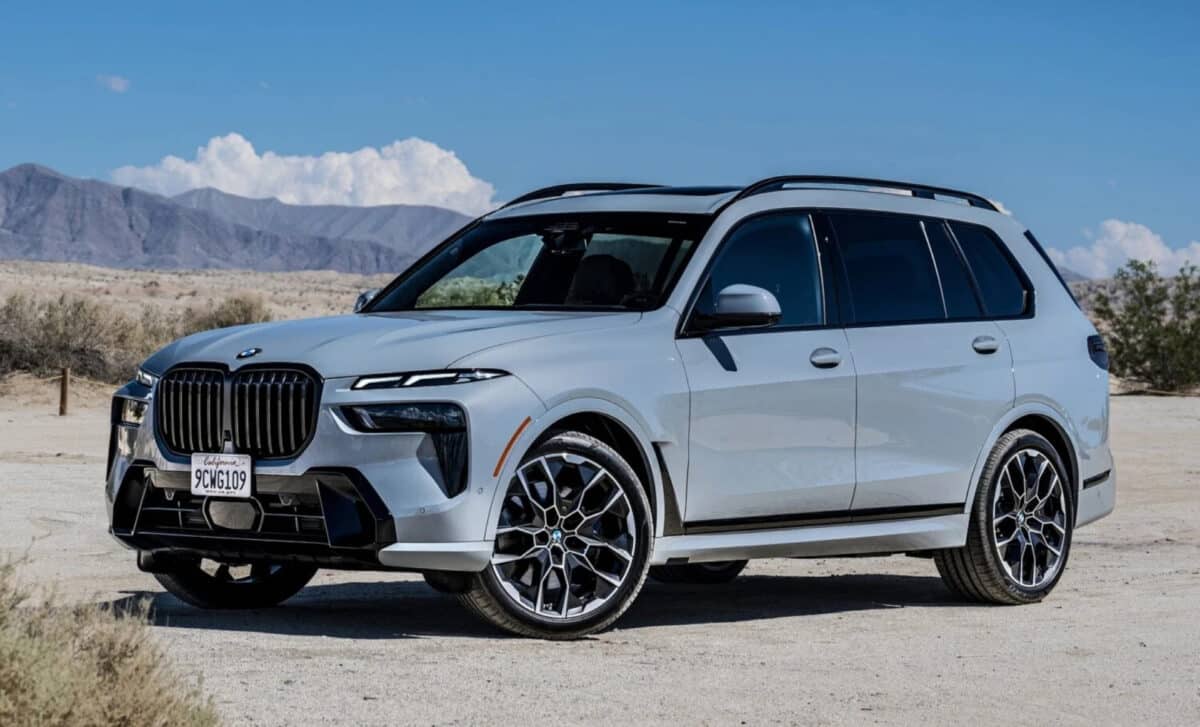
To respond to this growing pressure, BMW is reportedly considering the development of a new, even larger SUV, possibly called the X9. This isn’t a new idea, but it’s gaining urgency now that dealers are reporting lost sales due to the lack of a true full-size option. A project of this scale, however, presents challenges: building a model designed almost exclusively for the US market requires strategic and financial commitment.
One proposal gaining traction involves Alpina, the performance-luxury sub-brand that BMW officially absorbed in 2022. Cordill believes a flagship Alpina SUV could fill the gap, offering greater size, presence, and exclusivity without blurring BMW’s core identity. Positioned between the X7 and the Rolls-Royce Cullinan, such a vehicle could command six-figure pricing and appeal to a more niche but highly profitable customer base.
Following a Trend, Not Creating One
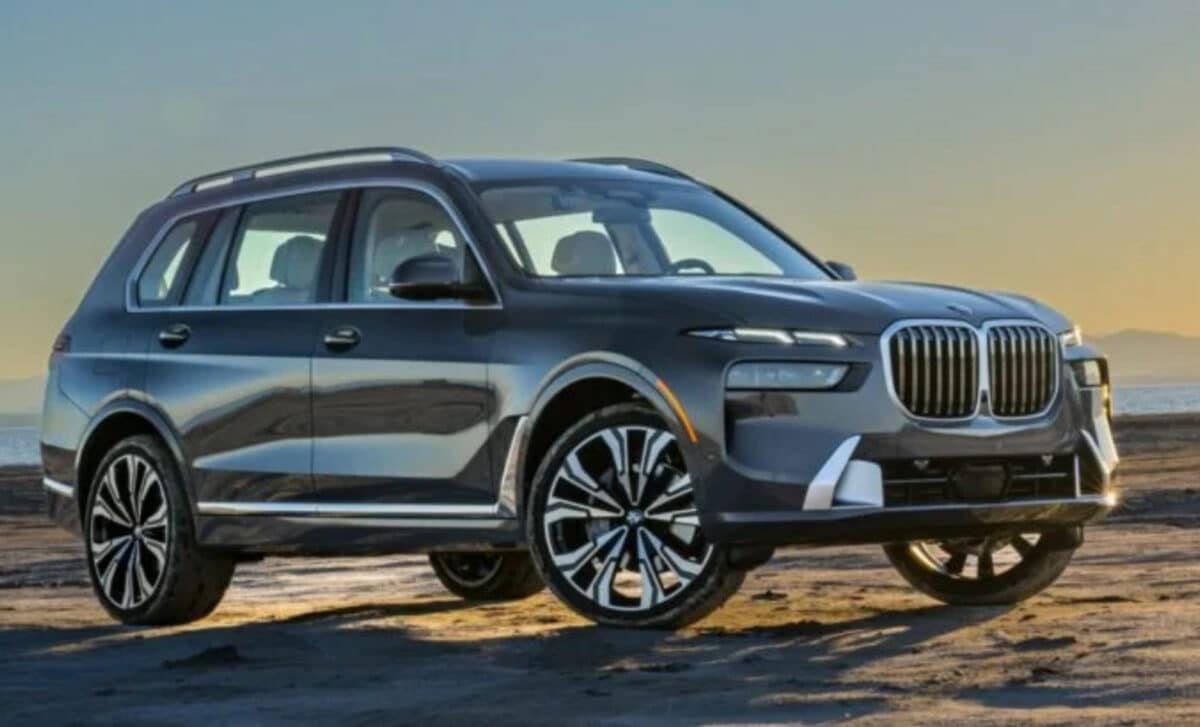
BMW’s hesitation is understandable, but the trend is already well underway. According to Motor1, the US market for large luxury SUVs continues to show strong growth, especially among brands willing to go big. Mercedes-Benz has found success with the GLS and its Maybach variant, while Japanese competitors like Infiniti and Lexus have also maintained a strong presence.
This isn’t about status alone. In regions like the US South and Midwest, where highways dominate and parking space is rarely an issue, buyers genuinely prioritize roominess, towing capacity, and long-distance comfort. The current X7, while refined and capable, remains closer to a European interpretation of what a “large SUV” should be.
A Decision That Reaches Beyond Size
If BMW does move forward, production would almost certainly take place at the Spartanburg, South Carolina facility, which already builds the X5 and X7. That would streamline logistics and align with the company’s strong manufacturing footprint in the US. But more than that, it would signal a willingness to adapt to one of its most important markets without compromising on quality or image.
Still, the question remains: can BMW build a vehicle that meets American expectations for size and utility, while preserving its reputation for engineering precision and dynamic handling? It’s a delicate balance, and not one the brand has had to strike often.