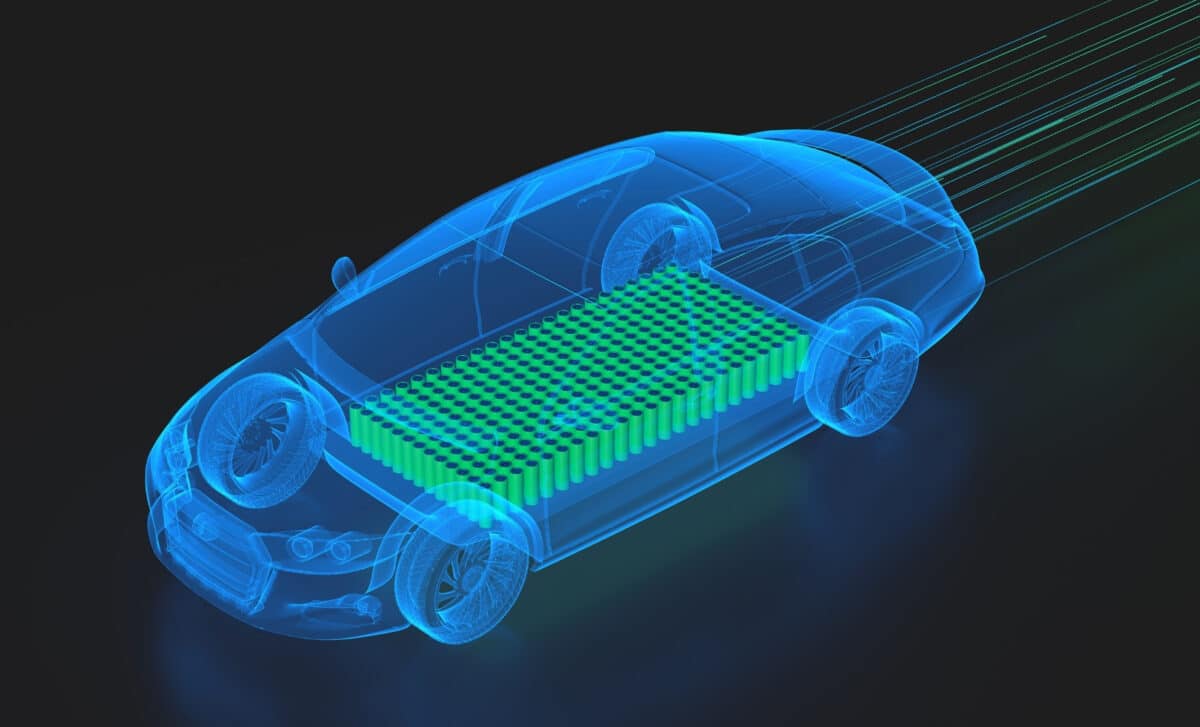
The electric car industry has made bold promises over the last decade, but few have sparked as much anticipation as solid-state batteries. They’re often described as the holy grail of electric mobility, lighter, denser, safer, and much faster to charge than current lithium-ion cells. And yet, in early 2026, they remain nowhere to be found in a mass-produced vehicle.
That’s not for lack of trying. Honda and Toyota, two of the world’s most experienced automotive manufacturers, have been actively developing solid-state technology. They’ve filed patents, built prototypes, and spoken publicly about their plans. But their latest updates reveal that the real hurdles are not what many expected.
Behind the Hype: A Fragile Core
At its heart, a solid-state battery replaces the liquid electrolyte found in traditional lithium-ion designs with a solid material. In theory, this switch enables much higher energy density and eliminates the risk of leakage or combustion,two persistent concerns with current EV batteries.
But as Honda’s research shows, the mechanical stresses that occur inside a battery during charge and discharge cycles are far more complex to manage when solid materials are involved. Internal components expand and contract slightly with each cycle, and while liquids can absorb that stress, solids can’t. The result? Microcracks, detachment between layers, and progressive degradation.
Rather than chase headlines with performance claims, Honda has focused its patents on durability, specifically, the long-term stability of solid-state cells under real-world conditions. The company has adjusted internal structures to better distribute stress and improve the interface between the solid electrolyte and the negative electrode, aiming to minimize the risk of internal damage.
Toyota’s Concern: Making Millions, Not Just One
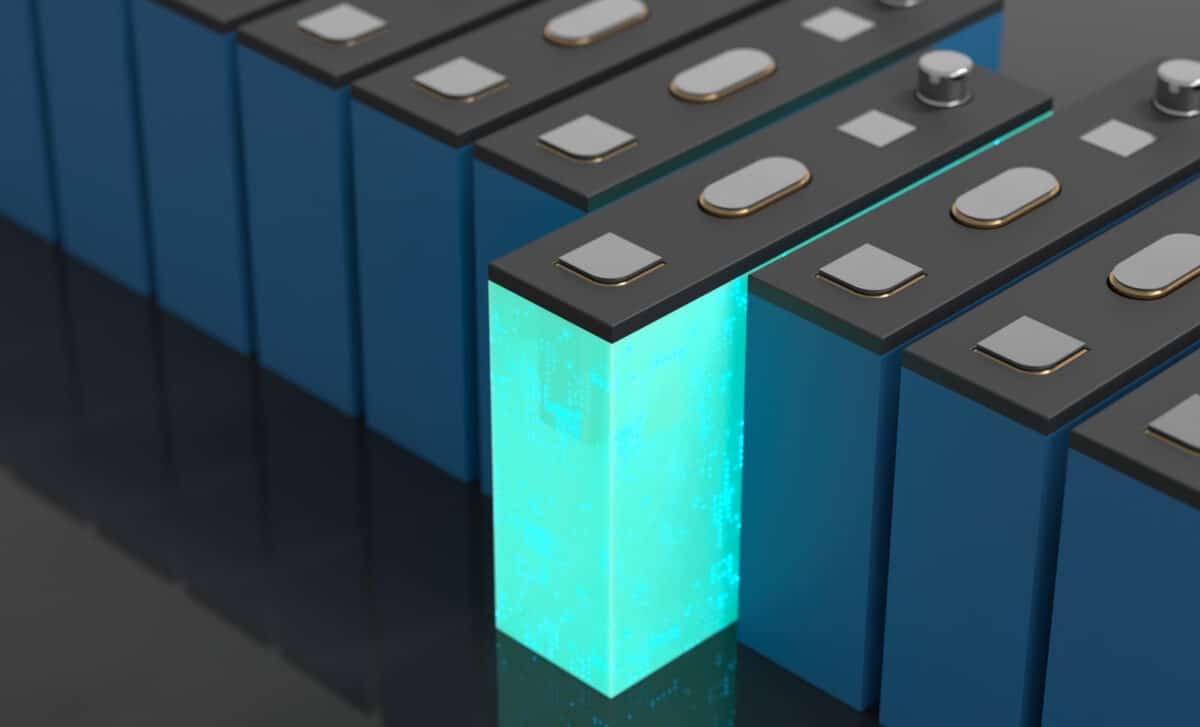
While Honda wrestles with mechanical stability, Toyota is tackling a different challenge: scaling up production. Lab prototypes are one thing. Building millions of identical, high-quality cells in a factory is something else entirely, reports Autoplus.
Solid-state batteries are sensitive to moisture, contaminants, and process variability. In a lab, those factors are tightly controlled. In an industrial setting, even minor deviations during lamination or pressure application can lead to inconsistent quality or early failure. Toyota’s recent patents aim to stabilize these variables and ensure repeatability, a non-negotiable requirement for mass production.
The message is clear: for Toyota, it’s not about whether the technology works, but whether it can be industrialized with sufficient reliability.
2030: Milestone or Mirage?
Despite their challenges, both automakers remain committed. Toyota has publicly stated its goal of launching solid-state batteries by 2030, while Honda has hinted at early models emerging between 2027 and 2030. Whether these will be sold at scale or confined to premium vehicles remains to be seen.
Interestingly, Chinese automakers are moving faster. Chery, for example, has claimed it could launch a model using solid-state technology as early as this year. Whether these claims will hold up under scrutiny is uncertain, but they underscore a growing global competition.
A Deeper Heritage, a Slower Pace
For some, it’s surprising to see two pioneers of hybrid technology, Toyota with the Prius, Honda with the Insight, moving cautiously on solid-state. But their history explains their approach. It took years of testing and refinement for hybrids to reach Toyota’s standards of durability and cost-efficiency. The same process is playing out again.
As Motor1 notes, “the goal is not just functionality but reliability, reproducibility, and economical viability. Without all three, a battery won’t make it past the prototype phase.”