The mid-size truck market has long been a battleground, with heavyweights like the Toyota Tacoma, Ford Ranger, and Chevrolet Colorado locking down a loyal customer base. But in a move that’s generating both buzz and anticipation, Ram is set to introduce a new player, the Dakota. While the truck may seem like a return to the mid-size segment, Ram CEO Tim Kuniskis has made it clear that the Dakota won’t be just another “cute” truck. No, it has to earn the title of a “real truck.” And that means it has to deliver capability, real towing, payload, and ruggedness, while offering something more accessible than its larger counterparts. But what exactly does that mean in practice?
Kuniskis’ comments give us a glimpse into the ethos behind this truck. He insists that the Dakota must stand shoulder-to-shoulder with the full-size trucks in terms of performance, even though it will be smaller. In an interview with The Drive, Kuniskis emphasized that the Dakota needs to have the kind of towing capacity and payload that a truck buyer expects. He elaborated, saying it can’t be just a “car with a bed,” hinting at the missteps of some previous mid-size offerings that lacked the grit of traditional trucks. This clarion call for a no-compromise, capable vehicle is part of Ram’s drive to break into a market that’s currently dominated by the likes of Toyota’s Tacoma, which sold a staggering 274,000 units in 2025.
A Midsize Truck Built for the U.S.
For Ram, the Dakota is more than just a practical addition to its lineup. It’s a strategic pivot. After discontinuing the 1500 Classic, Ram found itself without a clear competitor in the mid-size segment, despite the growing demand for these trucks.
The new Dakota is expected to slot below the full-size 1500, targeting the heart of the market where trucks like the Ranger and Tacoma thrive. While details on powertrains remain scarce, Kuniskis did hint, in his interview, at the possibility of hybrid options, though, notably, he was quick to rule out a V8 for the Dakota, signaling that it’s not going to be a gas-guzzler, but rather an efficient powerhouse. A potential hybrid powertrain, possibly borrowed from the Stellantis family’s Jeep Cherokee, could also be on the table, adding an eco-friendly edge to this rugged offering.
The pricing strategy also plays a critical role. With a base price likely around $40,000, the Dakota will compete with trucks like the Ford Ranger and Chevy Colorado, which are well-established in this price range. However, Kuniskis stresses that this price tag must come with the kind of performance that will justify its position. In the post-COVID car market, many consumers are reconsidering their purchase options, often opting for a more affordable, capable mid-size truck rather than splurging on a full-size model.
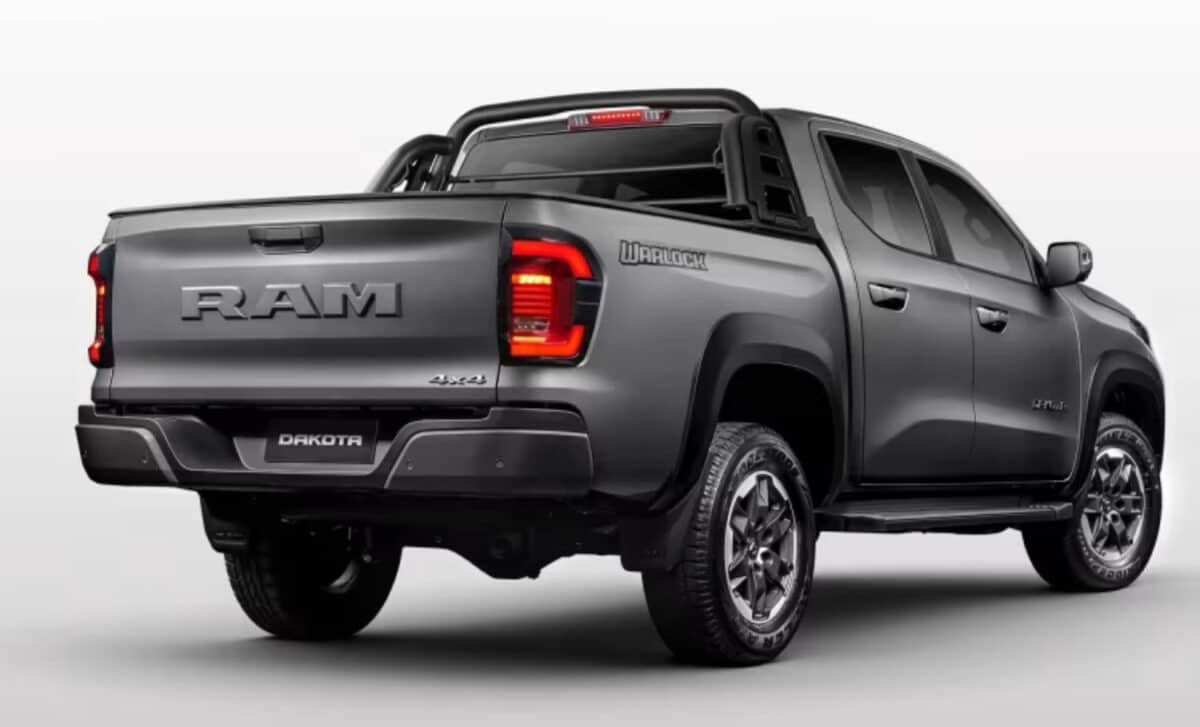
The Real Truck Criteria
Ram’s approach to the Dakota signals a broader shift in how manufacturers view the mid-size market. Kuniskis explained that in the past, Ram had a “two-truck” strategy with the 1500 Classic and the newer 1500, allowing the brand to target both entry-level and full-size truck buyers.
The absence of a mid-size option has created a gap, which now must be filled with a truck that meets both functional needs and the aspirational demands of truck owners. This means that the Dakota must offer more than just looks. It needs to have impressive towing figures, payload capacity, and a robust build that ensures it’s not seen as a “compromise” vehicle. This is where Ram’s reputation as a maker of rugged, durable trucks is crucial.
As the Dakota gets closer to production, it’s clear that the vehicle will need to deliver on these promises. Kuniskis isn’t just talking about capability for the sake of it, he’s positioning the Dakota as a true alternative to the larger, heavier trucks that often dominate the roads. With the focus on performance and utility, it’s clear that Ram’s aim is to craft a mid-size truck that can go toe-to-toe with the segment leaders without compromising on what truck buyers value most: power, practicality, and prestige.
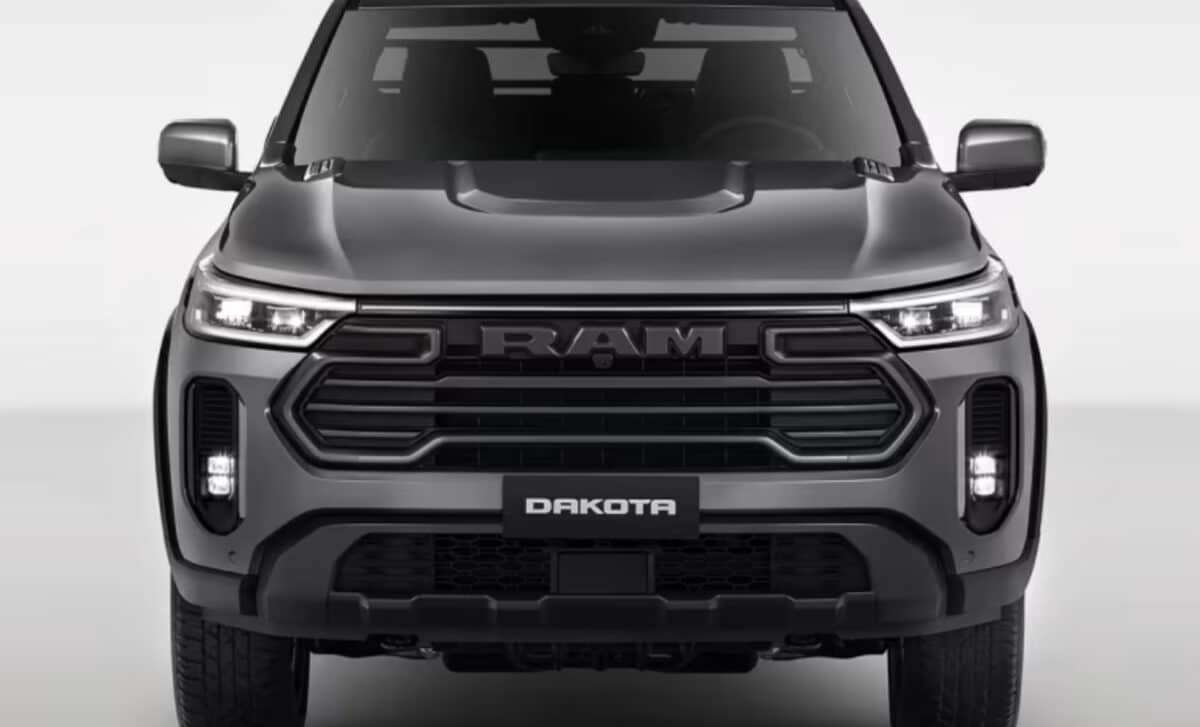
What’s Next for the Dakota?
So, is the Dakota the right move for Ram? If it can indeed meet the lofty standards set by Kuniskis, it could be a game-changer in the mid-size truck market. However, it remains to be seen whether it can outshine the dominant Tacoma or win over those who are already entrenched in Ford and Chevy offerings. One thing is for sure: the market is hungry for a capable, well-rounded mid-size truck that doesn’t skimp on performance or features.
This approach to the Dakota underscores a critical moment in the evolution of mid-size pickups. It’s not just about making a smaller version of a full-size truck; it’s about offering a real, no-compromise option that doesn’t sacrifice capability for size or price. As Kuniskis put it, “It’s got to be a real truck.” Whether the Dakota can live up to this ambition is something truck enthusiasts and industry analysts will be watching closely in the coming months.