

In the automotive world, some names stick to stability like rubber to tarmac. Toyota, for decades, has embodied that image, technically cautious, financially solid, rarely unpredictable. Yet even at the top of this famously structured group, the winds are shifting.
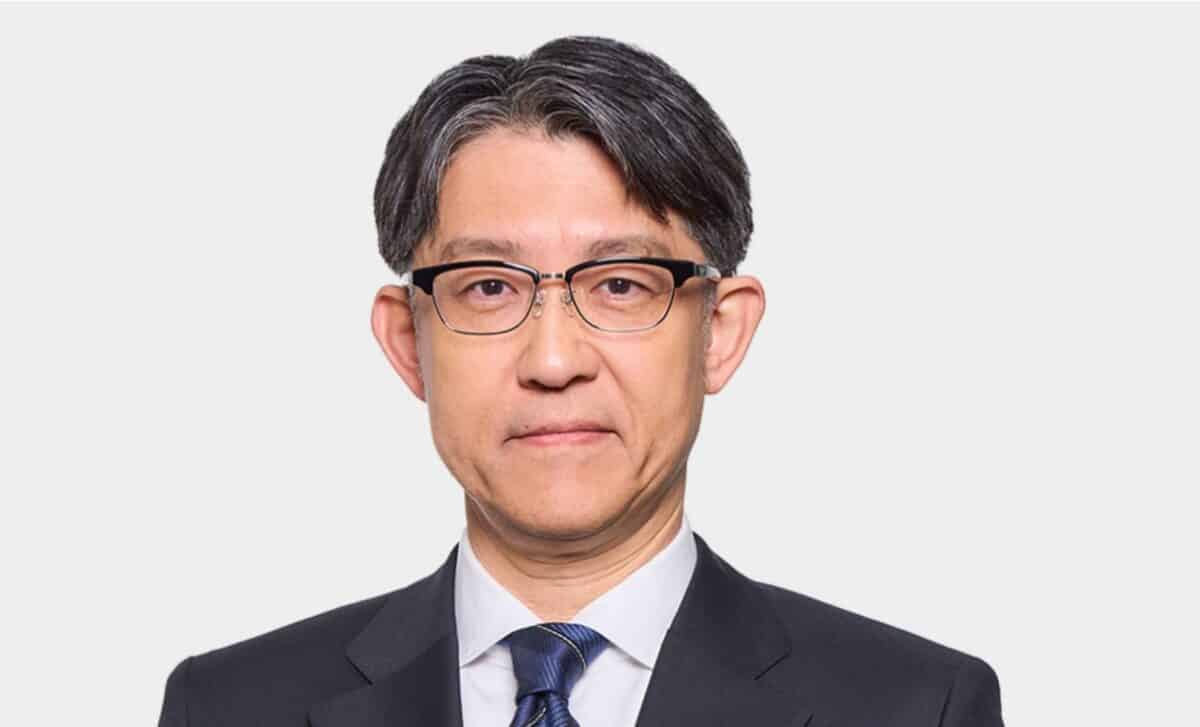
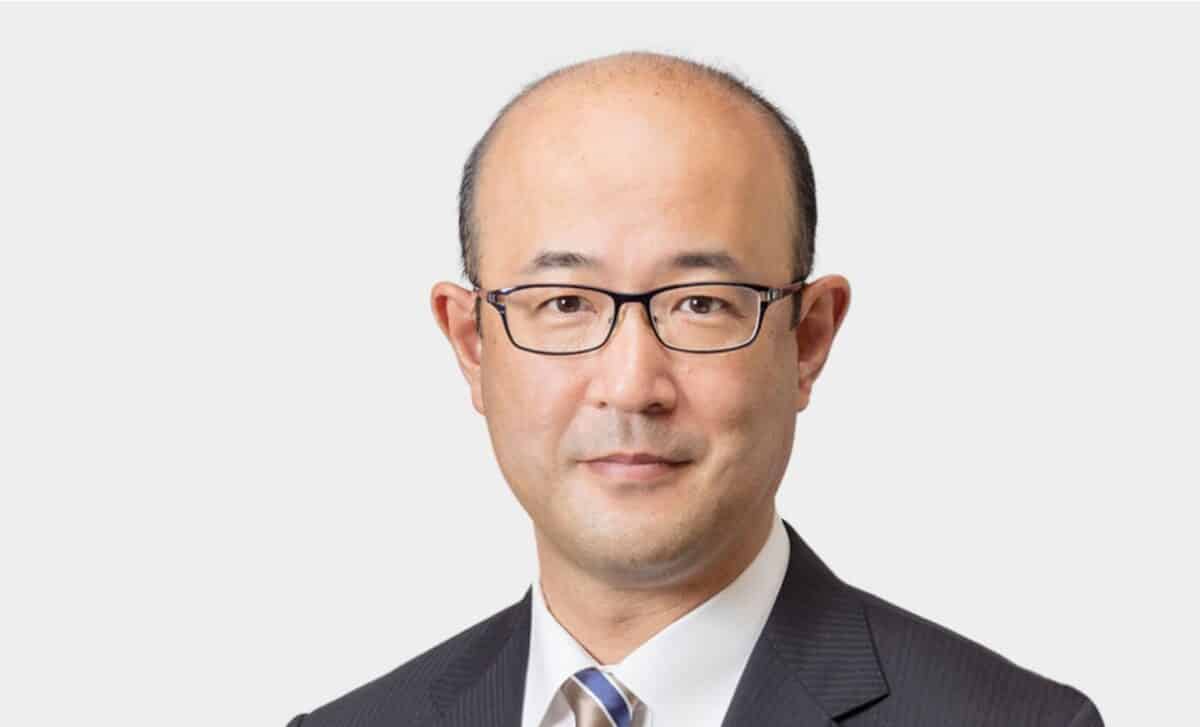
Just two years after Koji Sato took over as CEO from Akio Toyoda, another leadership change has been announced. This spring, the automaker will appoint Kenta Kon, currently the group’s CFO, as the new President and CEO. The move raises questions about timing, strategy, and the role leadership now plays in navigating an industry at a crossroads.
From Engineer to Accountant
Sato’s brief tenure was notable for a number of reasons. First, it marked the end of an era: Akio Toyoda, grandson of the company’s founder, had led the group for over a decade with a mix of hands-on charisma and strong brand vision. Sato, an engineer by training, picked up the mantle in 2023 and continued pushing Toyota’s “multi-pathway” approach to decarbonization, a strategy relying on a mix of hybrids, hydrogen, and battery-electric models, rather than betting everything on full EVs.
By many measures, this policy worked. Under Sato’s leadership, Toyota shares surged by 111%, according to InsideEVs, and hybrid sales remained strong even as EV-only competitors faced rising costs and shifting regulatory environments. But the internal logic of Toyota may now be pointing elsewhere. With Kon, a finance specialist, taking over the top job, the group may be signaling a tighter focus on profitability and operational control during a volatile period.
Kon’s Appointment and What It Might Signal
Kenta Kon is not a “car guy”, a fact the same source highlighted bluntly. That’s not to diminish his influence within the group: as CFO, he played a key role in steering Toyota’s profitability during the uncertain years of post-COVID recovery and geopolitical trade turbulence. His promotion is Toyota’s first appointment of a CEO from outside the product or engineering side since 2009.
The reshuffle is being presented as a way to separate roles more clearly. According to a statement from Toyota, Sato will become Vice Chairman and Chief Industry Officer, a new position. He will oversee broader industry engagement and strategic positioning. Kon, on the other hand, will focus on internal management and company structure.
This dual-leadership model hints at a desire to streamline decision-making, especially as the company adapts to faster product cycles and external pressures. It’s a structure already common in tech firms but less so in Japan’s traditionally conservative corporate world.
Electrification and the Weight of Global Pressures
The timing of this leadership change isn’t random. Toyota’s product strategy, while resilient, faces growing headwinds. Half of the company’s global sales between April and December 2025 came from electrified vehicles, including hybrids. Yet, the industry is clearly entering a new phase. Trade policy disruptions, such as the 25% tariffs imposed by Donald Trump last year on Japanese-made vehicles (later reduced to 15%), have made long-term planning more difficult.
In this context, a financial mind at the top may offer Toyota a kind of defensive strength. Kon’s background could help the group manage margins while investing in flexible production and new platforms like the bZ electric range. It’s also a reminder that while engineering drives innovation, financial strategy sustains momentum.

beyond one man at the top
Digging a bit deeper, it’s also worth noting how the pace of leadership change is accelerating, not just at Toyota, but across the industry. As L’Automobile Magazine observed, the days of decade-long CEO mandates are fading. Executive churn now resembles the turnover of football managers, with shorter cycles driven by fast-moving global shifts and shareholder expectations.
Toyota’s case is particularly striking because of its history of continuity. For years, the company cultivated an image of deliberate, near-clinical consistency. Now, even it appears to be adapting to a new tempo.