


In a car engine, some parts are more exposed to wear than others, and the timing belt is one of them. It synchronizes the different moving components of the engine, ensuring they operate in precise coordination.
Like many mechanical parts, the timing belt deteriorates over time. Specialists generally recommend replacing it every 100,000 to 150,000 kilometers. These intervals can vary depending on factors such as driving style or the specific vehicle model. It may even need to be changed earlier in certain cases, which makes verifying its status particularly useful.
Start with the Maintenance Records and a Visual Check
The first step is often documentary. Checking the vehicle’s service book or technical manual may reveal whether the timing belt has already been replaced. If the information is recorded, it provides a clear and immediate answer.
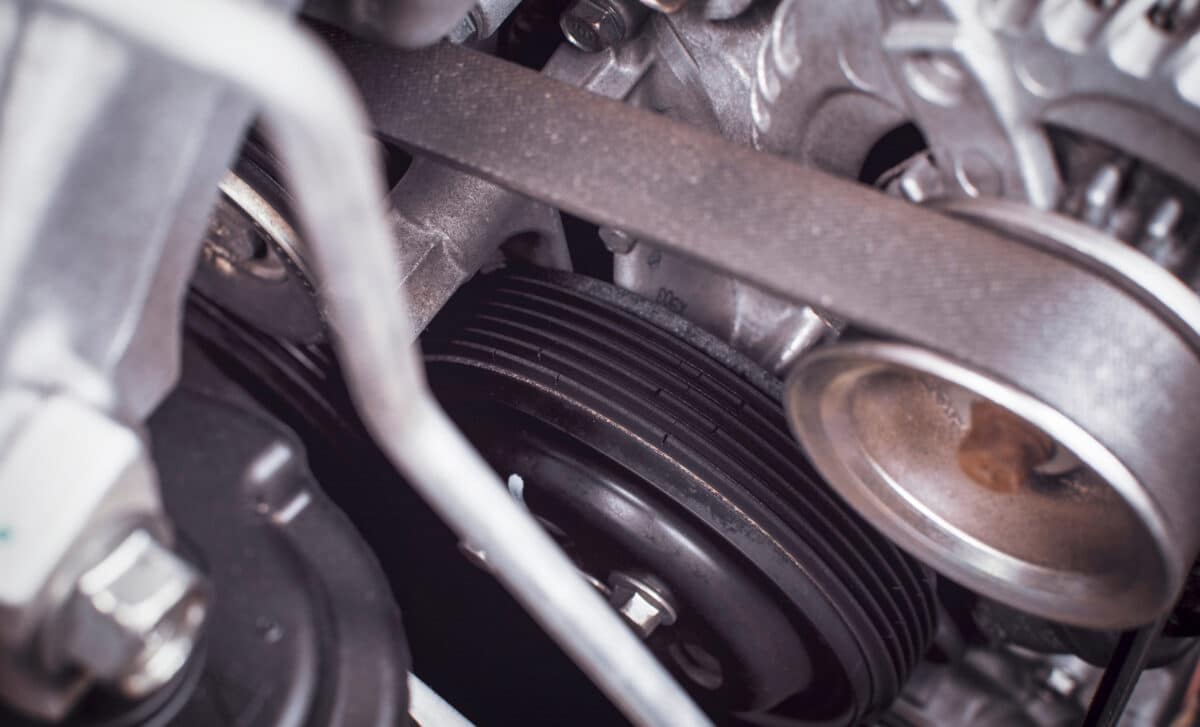
A direct visual inspection can also offer valuable clues. According to Auto Journal, the presence of white markings on the belt indicates that it has never been replaced. These factory inscriptions are typically visible on original belts.
Condition is another indicator. If the belt shows no tears, no oil stains, and no cracks, it is probably new. On the other hand, visible damage or deterioration may suggest that it has not been changed recently. This simple observation can already narrow down the possibilities.
Observe Its Behavior When the Engine Is Running
Another method involves starting the engine and watching how the belt behaves. Under normal conditions, the timing belt should be properly aligned on the tensioner pulleys.
It should not appear loose or shifted. If the belt looks slack or offset, it is likely that it has been replaced but poorly installed. Improper installation can lead to this type of misalignment.
Sound can also provide insight. Squeaking or squealing noises may indicate that the belt was changed but badly fitted, or that it is very worn. Paying attention to unusual sounds when the engine is running can therefore help clarify the situation.
Inspect the Timing Kit and Ask the Previous Owner
The timing belt is not replaced alone. The timing kit, which includes associated components, must be changed at the same time to ensure proper system operation.
Examining this kit can provide additional confirmation. If the aluminum parts look shiny and new, it suggests that the belt was replaced along with them. The appearance of fresh metal components is a useful visual indicator.
If doubt still remains after these checks, contacting the vehicle’s previous owner is another option. Asking directly whether the timing belt has been replaced can sometimes provide the missing piece of information.