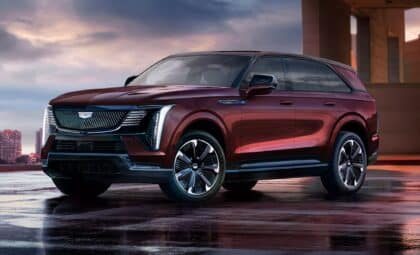


For years, manufacturers competed to multiply touchscreens, eliminate buttons, and commit exclusively to electric platforms. Diesel engines were steadily sidelined, and retractable door handles or minimalist interiors became visual markers of modernity. That trajectory is now being adjusted in multiple areas.
The developments concern safety standards, powertrain strategies, and even exterior design choices. Each signals a recalibration of priorities in response to regulatory pressure, user fatigue, or practical constraints.
Safety Bodies Push Back on Fully Digital Controls
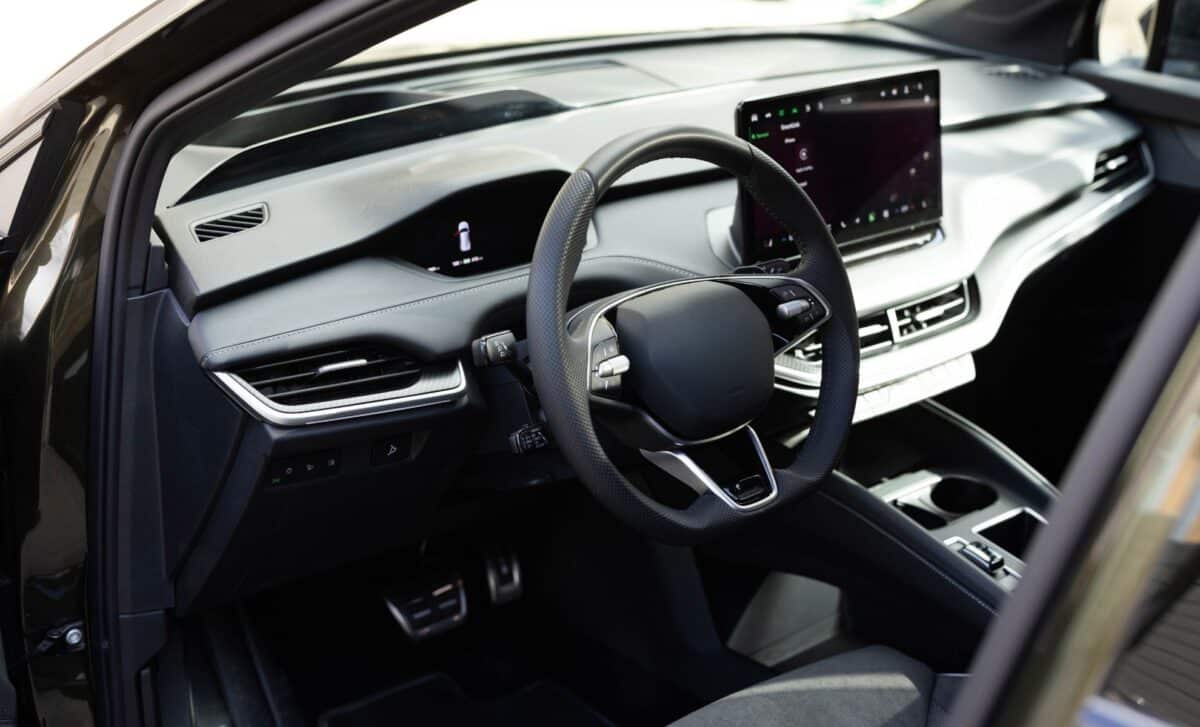
One of the clearest signals comes from the European safety authority Euro NCAP. The organization has introduced a new protocol requiring that a minimum number of physical controls be installed on dashboards if vehicles are to retain the highest five-star safety rating. According to Caradisiac, the measure explicitly targets functions previously integrated into central touchscreens, which can divert drivers’ attention from the road.
The concern is straightforward: accessing key commands through layered digital menus increases cognitive load and reaction time. In response, some manufacturers have already anticipated the shift.
Ferrari, for example, designed the steering wheel of its first electric model, named Luce, with three spokes covered in tactile controls, paired with round, understated gauges. The move suggests that even brands associated with cutting-edge interfaces are reconsidering the balance between digital integration and physical ergonomics.
Diesel and Hybrid Flexibility Return to the Agenda
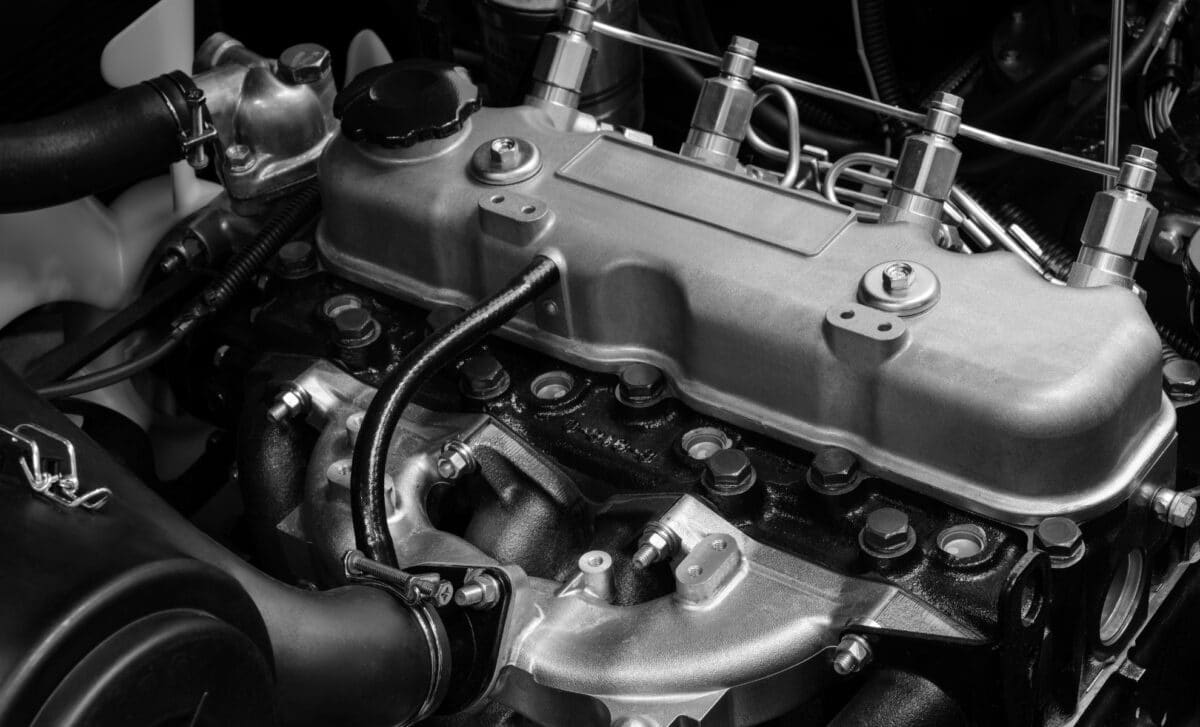
Powertrain strategy is another area experiencing reassessment. Stellantis has publicly reaffirmed its commitment to diesel engines and even plans to expand its diesel passenger car lineup. This stance represents a notable departure from the recent industry consensus that positioned diesel as a declining technology.
At the same time, manufacturers that previously promoted exclusively electric platforms are modifying their approach. Renault and Geely are finalizing a kit that allows a small internal combustion engine to be fitted under the hood of a battery-powered vehicle, effectively creating a range extender. Not long ago, the idea of hybridizing a dedicated electric platform in this manner would have been considered unthinkable.
Regulatory context also plays a role. The European Union has slightly reconsidered the timetable for the 2035 phase-out of combustion engines, a shift that has encouraged greater flexibility in product planning. The combined effect is not a reversal of electrification, but rather an adjustment in how rigidly it is pursued.
Design Reconsidered: From Retractable Handles to Urban Simplicity
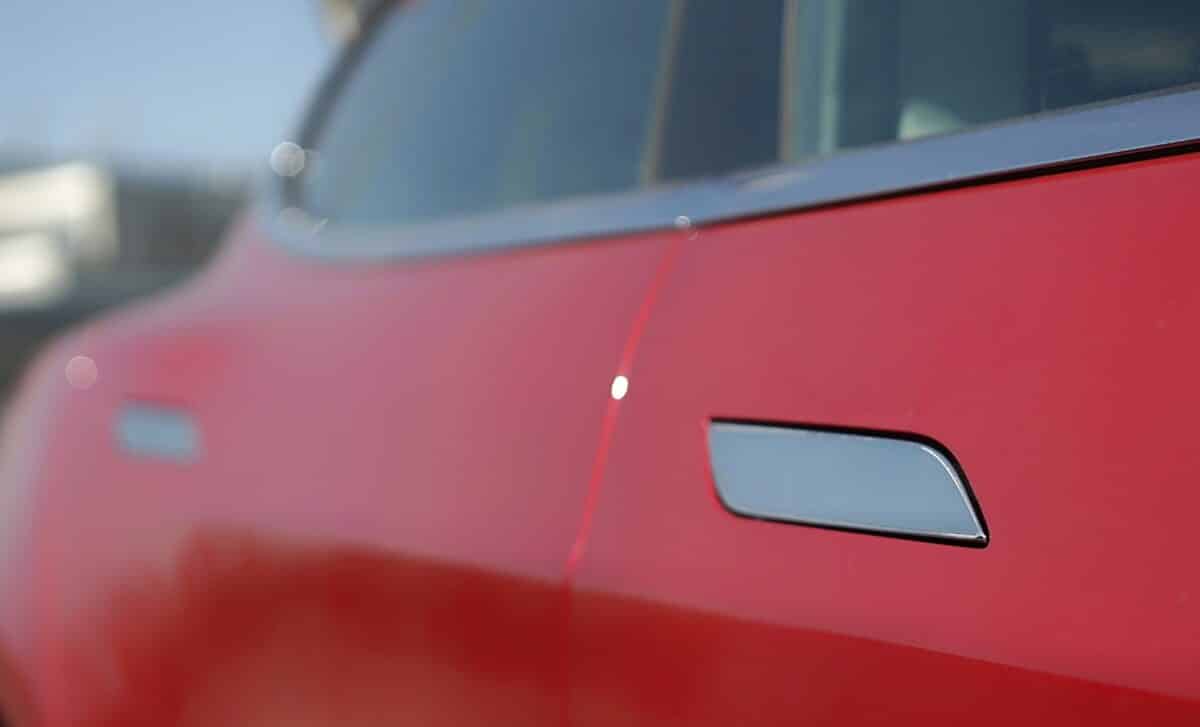
Design trends are also evolving. Flush, retractable door handles, praised for their aerodynamic and aesthetic appeal, are being phased out at the initiative of Chinese manufacturers. These handles have been criticized for potential safety risks in the event of an accident.
Other design elements are being reevaluated as well. Citroën has announced plans to revisit the minivan format popular in the 1990s. In parallel, the idea of a European-style “kei car” has emerged, emphasizing lightweight construction, simplified standards, and a reduction in intrusive driver-assistance systems.
These adjustments reflect a broader sentiment within the industry that certain trends, such as the multiplication of screens or the disappearance of buttons, may have gone too far. Some features were adopted in a form of competitive mimicry, with manufacturers replicating what appeared fashionable elsewhere.
At the same time, technological development continues in less visible domains. Progress toward autonomous driving remains underway, even if its timeline remains uncertain. The overall direction of the automotive sector is not being abandoned, but it is no longer strictly linear. Periods of acceleration are now accompanied by moments of pause, suggesting a more cautious evolution of the modern car.