

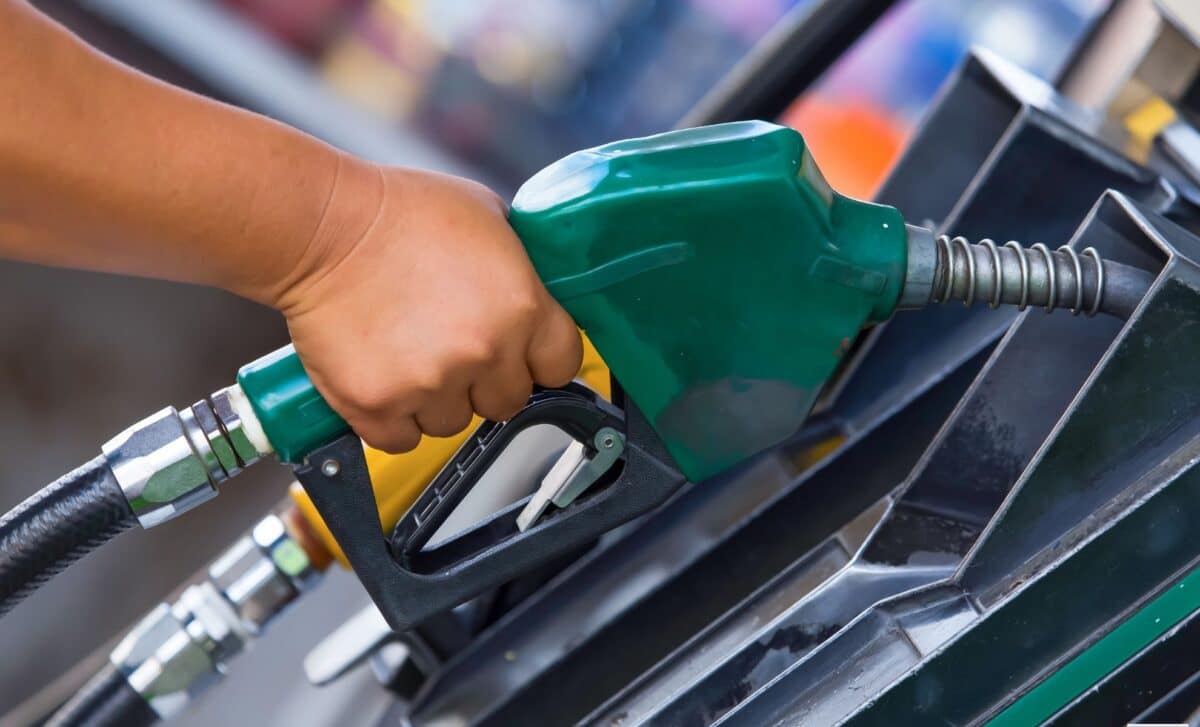
Most gasoline sold in the United States contains 10% ethanol, a blend known as E10. E15, sometimes marketed as Unleaded 88, was first introduced in 2011 and has traditionally been restricted during the summer months under the federal Clean Air Act. The recent decision by the EPA under Administrator Lee Zeldin allows the higher-ethanol blend to remain available through the summer.
The debate surrounding E15 extends beyond fuel prices. Ethanol contains less energy than gasoline, which affects vehicle efficiency, while questions remain about the environmental impact of ethanol production and its emissions profile during warmer months.
Lower Fuel Prices Offset By Reduced Fuel Economy
Ethanol derived from corn contains about one-third less energy than pure gasoline. As a result, vehicles typically travel fewer miles per gallon when operating on a higher ethanol blend.
According to the U.S. Energy Information Administration, fuel economy drops by almost 2% when switching from E10 to E15. Department of Energy data shows that the average vehicle on American roads in 2026 achieves approximately 24.4 miles per gallon, as reported by Jalopnik. Based on Federal Highway Administration figures indicating that Americans drive an average of 13,476 miles annually, that translates to roughly 552.29 gallons of fuel consumed per year on E10 gasoline.
Using a national average gasoline price of $4.50 per gallon, annual fuel costs would total about $2,485.50. In a comparison scenario, E15 is priced at $4.25 per gallon, representing a discount of 25 cents per gallon compared with E10. With fuel economy falling to around 23.9 miles per gallon, yearly fuel consumption would increase to 563.84 gallons. Under those conditions, annual fuel spending would reach approximately $2,396.32, representing savings of less than $90 per year.
Depending on where drivers live, E15 can be priced very differently due to regional and market factors. Reported discounts range from about 10 cents to 50 cents per gallon compared with E10, and availability remains limited outside parts of the Midwest.
Summer Availability Has Long Been Restricted
E15 has historically faced seasonal restrictions because of concerns related to fuel evaporation during warmer weather. The federal Clean Air Act has generally prohibited summer sales of the blend between June and September.
During hot summer weather, ethanol is more prone to evaporation. As fuel evaporates, some of the liquid purchased by consumers is released into the atmosphere.
These evaporative emissions contribute to ground-level ozone formation and visible air pollution. Increased exposure to such pollution can lead to airway muscle constriction and may worsen respiratory conditions including asthma, emphysema, and chronic bronchitis.
Ethanol’s Environmental Role Remains Contested
Ethanol has been part of the U.S. energy landscape for more than a century, though its modern expansion accelerated after the 1973 oil embargo as policymakers sought to reduce dependence on foreign oil supplies.
The fuel was increasingly used as an octane booster beginning in 1975 as leaded gasoline was phased out through 1986. The E10 standard was introduced in 1978, while E15 entered the market in 2011.
Although ethanol is often promoted as a renewable and cleaner-burning fuel because it produces fewer tailpipe emissions than conventional gasoline, its broader environmental benefits remain disputed. Critics point to the land, fertilizer, and water resources required for large-scale corn production.
C. Ford Runge, Professor of Applied Economics and Law, wrote in a Yale School of the Environment paper: “growing corn to run our cars was a bad idea 10 years ago. Increasing our reliance on corn ethanol in the coming decades is doubling down on a poor bet.”
The discussion over E15 therefore continues to encompass both economic and environmental considerations as the fuel becomes available during the summer driving season.