The development carries weight beyond national borders. Germany has long been associated with premium combustion-engine vehicles, making this transition particularly notable. It also highlights the broader industrial and economic adjustments underway as automakers and consumers respond to new constraints.
At the same time, the shift remains fragile. While demand for electric vehicles is rising, the market still depends on public support and faces growing competition, especially from newer entrants.
Electric Vehicles Move Ahead in a Recovering Market
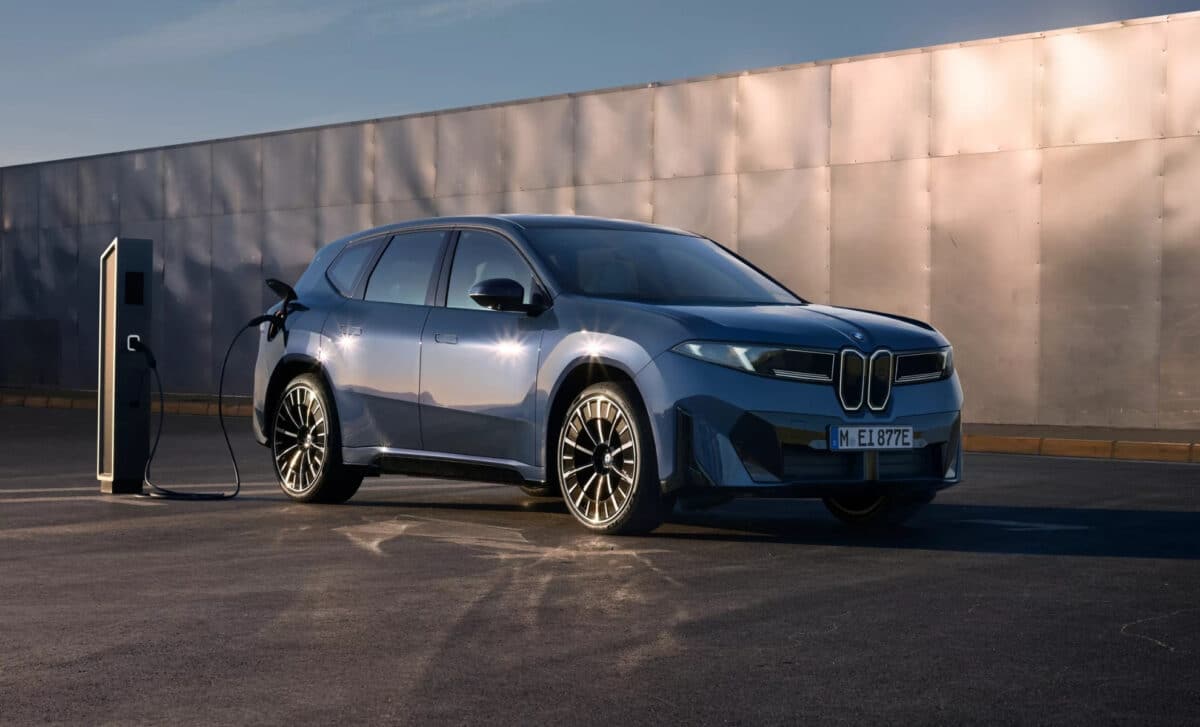
March 2026 stands out as a decisive moment. According to Automobile Magazine, 70,663 electric cars were registered during the month, a 66.2% increase year over year, giving them a 24% market share. This places them ahead of gasoline vehicles, which accounted for 22.8%, while diesel continued its decline at 12.8%.
The overall market also showed signs of recovery, with 294,161 registrations in March, up 16%. This marks the strongest performance since June 2024, although volumes remain below pre-crisis levels. Over the first quarter, 159,630 electric vehicles were sold, a rise of 41.3%, confirming a sustained upward trend.
Hybrid vehicles, however, still dominate the landscape. They represent 40% of the market, including 10.2% for plug-in hybrids, indicating that the transition remains gradual rather than absolute.
Subsidies and Fuel Costs Reshape Purchasing Decisions
The renewed momentum of electric vehicles is closely tied to policy changes. Purchase incentives reintroduced in January offer subsidies of up to $3,300, or $6,600 for lower-income households. Price sensitivity remains a key factor in Germany, making these measures immediately impactful.
At the same time, rising fuel prices in a tense international context are increasing the cost of using combustion vehicles. In a country where average annual mileage is relatively high, this shift in operating costs weighs heavily on consumer choices.
Product offerings have also evolved. Expanded model ranges, improved driving range, and equipment levels comparable to combustion vehicles have contributed to renewed demand. In some cases, this has led to delivery times stretching over several months.
Intensifying Competition Challenges Established Players
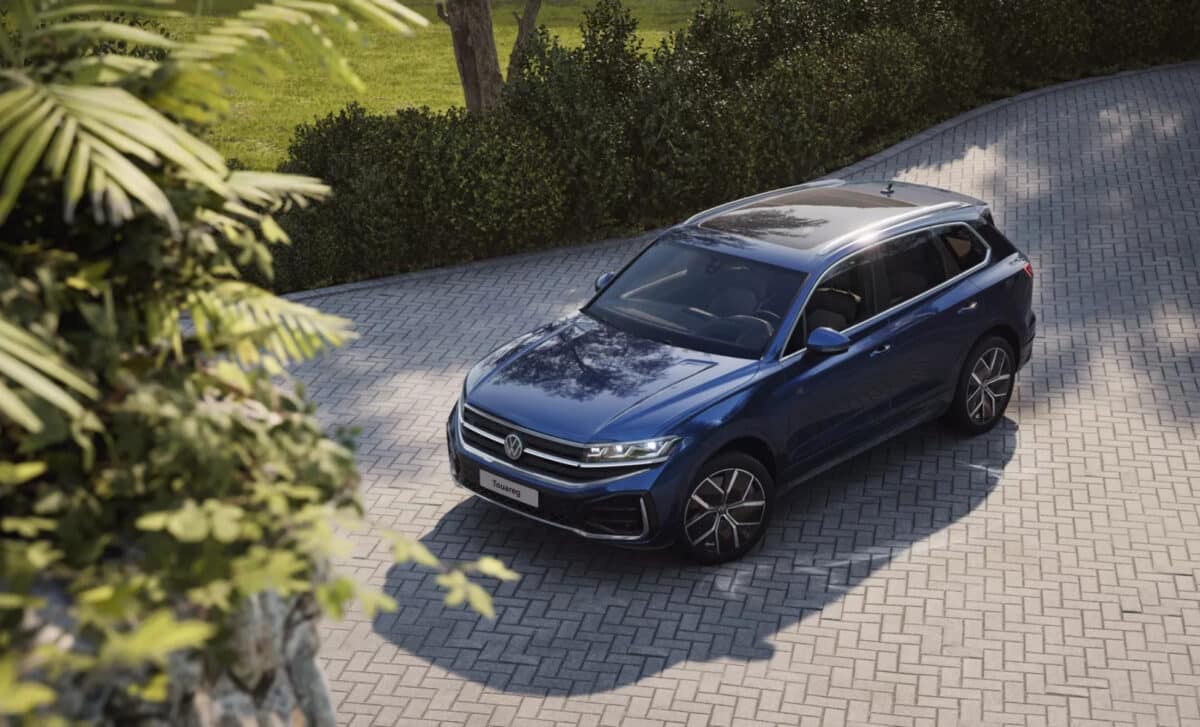
Despite Volkswagen maintaining its leading position with more than 52,000 registrations, its growth of 3.2% lags behind the overall market. Other manufacturers are gaining ground more rapidly. Skoda has surged by 34% to become the second-largest player, while Audi, BMW, Hyundai, and Opel all report double-digit growth.
The most striking increases come from newer entrants. BYD (+327%), Leapmotor (+318%), and Tesla (+315%) are expanding rapidly, with Tesla exceeding 9,000 units in March and reclaiming a market share above 3%. While these volumes remain smaller than those of established groups, they signal a rapid rise of Chinese brands in Europe’s largest market.
Not all legacy manufacturers are benefiting equally. Porsche, for instance, recorded a decline of 12.1%, reflecting a partially reconsidered electric strategy. More broadly, the current rebound still relies heavily on public subsidies rather than fully autonomous demand, suggesting that the transition remains sensitive to economic and geopolitical conditions.