

This initiative is part of Mitsubishi’s broader plan to expand its portfolio of all-terrain and utility vehicles. Recently, the company announced the revival of the Pajero SUV, known in the U.S. as the Montero, signaling renewed interest in off-road capable vehicles. Mitsubishi also plans to bring a small electric vehicle to the U.S., a rebadged version of the Nissan Leaf, complementing its efforts to diversify its lineup.
Mitsubishi does not currently have a manufacturing presence in the United States, making the collaboration with Nissan strategically important. By using Nissan’s Canton, Mississippi, facility, the company can enter a high-volume segment without dealing with import tariffs. This move supports Mitsubishi’s goal to increase global sales from 797,000 units in the fiscal year ending March 31 to 930,000 annually by the early 2030s.
Shared Platform With Nissan Frontier, Xterra, And Infiniti SUV
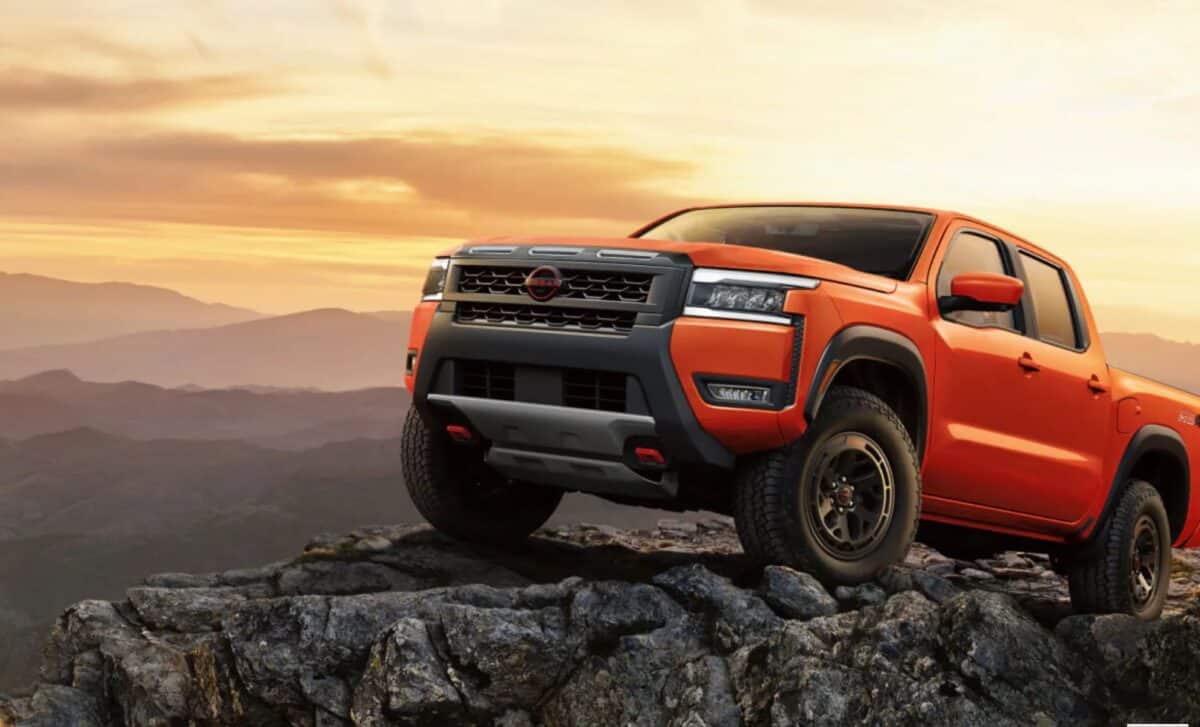
The new Mitsubishi pickup will be built on the same next-generation body-on-frame platform that Nissan is preparing for the redesigned Frontier pickup, the Xterra SUV, and a new Infiniti SUV. According to Car and Driver, this shared platform will provide Mitsubishi with the engineering and durability characteristics expected of off-road capable vehicles.
By leveraging Nissan’s existing platform, Mitsubishi can reduce development costs and simplify manufacturing, while ensuring the new truck meets U.S. market expectations for utility and performance.
The platform strategy also aligns with Mitsubishi’s broader product goals. The company has emphasized a focus on vehicles capable of handling diverse terrains, and using a proven Nissan platform allows Mitsubishi to enter the mid-size truck segment efficiently, without starting from scratch. This approach mirrors trends among automakers who collaborate to balance cost, technology, and market coverage.
Timing, Production, And Market Strategy
Although Mitsubishi has not specified an exact launch date, the new pickup is expected to debut before 2030. Production will take place at Nissan’s Canton, Mississippi plant, giving Mitsubishi immediate access to U.S.-based manufacturing capabilities. According to CEO Takao Kato, the vehicle will support Mitsubishi’s global sales ambitions and strengthen its presence in the North American market.
This truck will mark Mitsubishi’s first U.S. pickup since the Raider, a rebadged Dodge Dakota, was discontinued in 2009. Entering the mid-size segment allows Mitsubishi to compete in a high-demand market without the challenges of importing vehicles, while leveraging Nissan’s production expertise.
The move also reflects a strategic emphasis on offering off-road and utility vehicles that appeal to American consumers seeking versatility and capability.
Potential Expansion Of The Pajero Family And Future Vehicles
Beyond the new pickup, Mitsubishi has signaled continued investment in the Pajero family. The revived Pajero shares its platform with the Triton, a body-on-frame truck sold overseas, which raises questions about which variants will come to the U.S. market. Mitsubishi’s presentation included “Pajero=Montero,” indicating that at least some models could be sold stateside.
Additionally, the company displayed two smaller SUVs under covers, suggesting a possible expansion of the Pajero lineup. Alongside these plans, Mitsubishi intends to launch a small electric vehicle in the U.S., which will essentially be a rebadged Nissan Leaf. Together, these initiatives reflect a strategy of diversifying product offerings while taking advantage of Nissan’s existing platforms and manufacturing capabilities.
By collaborating with Nissan, Mitsubishi positions itself to re-enter the U.S. truck and SUV market efficiently, expand its off-road capable portfolio, and complement its small electric vehicle plans, all while reducing production complexity and costs.