
The debate over plug-in hybrids has intensified as automakers expand their electric lineups and governments push for lower emissions. While these vehicles were once seen as a practical bridge between combustion engines and full electrification, some industry voices now question their long-term relevance.
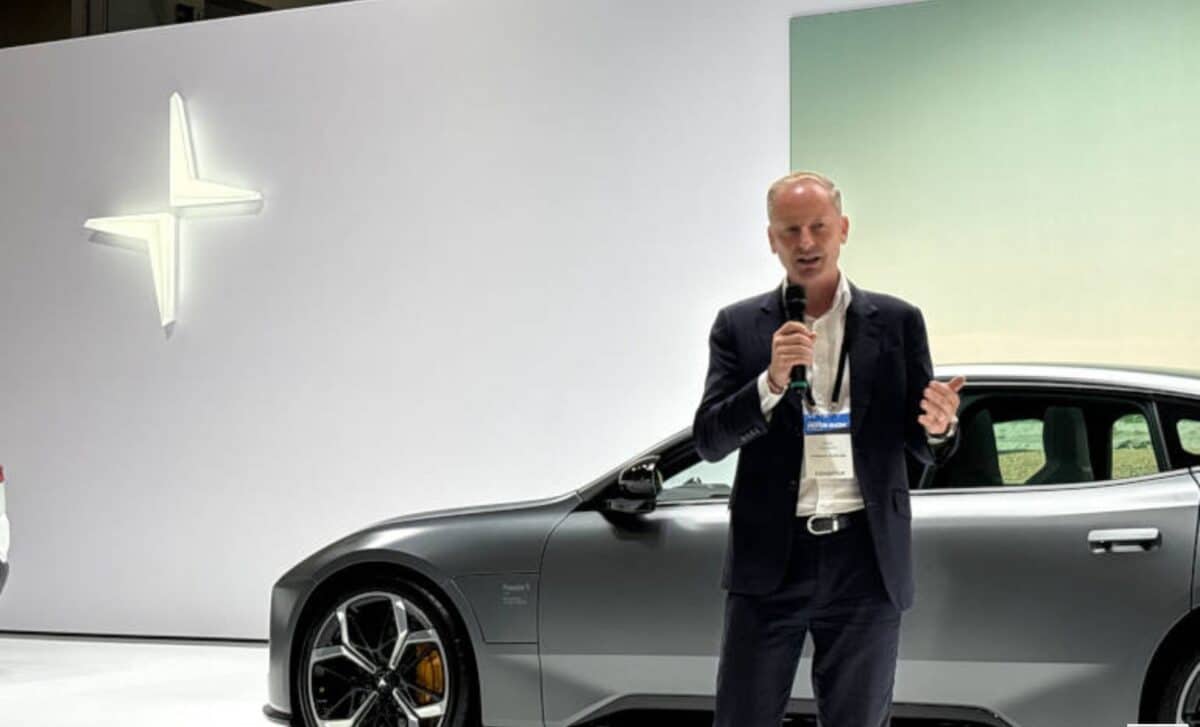
In this context, comments from Polestar Australia managing director Scott Maynard stand out for their directness. Speaking to Australia’s Drive, he openly challenged the value of plug-in hybrids, raising concerns about complexity, maintenance, and real-world usage.
A “Worst Of Both Worlds” Approach
According to Jalopnik, Scott Maynard described plug-in hybrid vehicles as “the worst of both worlds,” pointing to their dual powertrain structure. These cars combine an electric drivetrain with a traditional petrol engine, which increases both mechanical complexity and overall weight.
He emphasized that this setup introduces more potential failure points compared to vehicles relying on a single propulsion system. Maintenance requirements are also higher, as both systems must be serviced independently. The absence of true zero-emission operation further weakens their environmental appeal, in his view.
This critique reflects a broader concern often raised in the industry, though it is less common for executives to express it so explicitly on record.
Limited Real-world Electric Usage
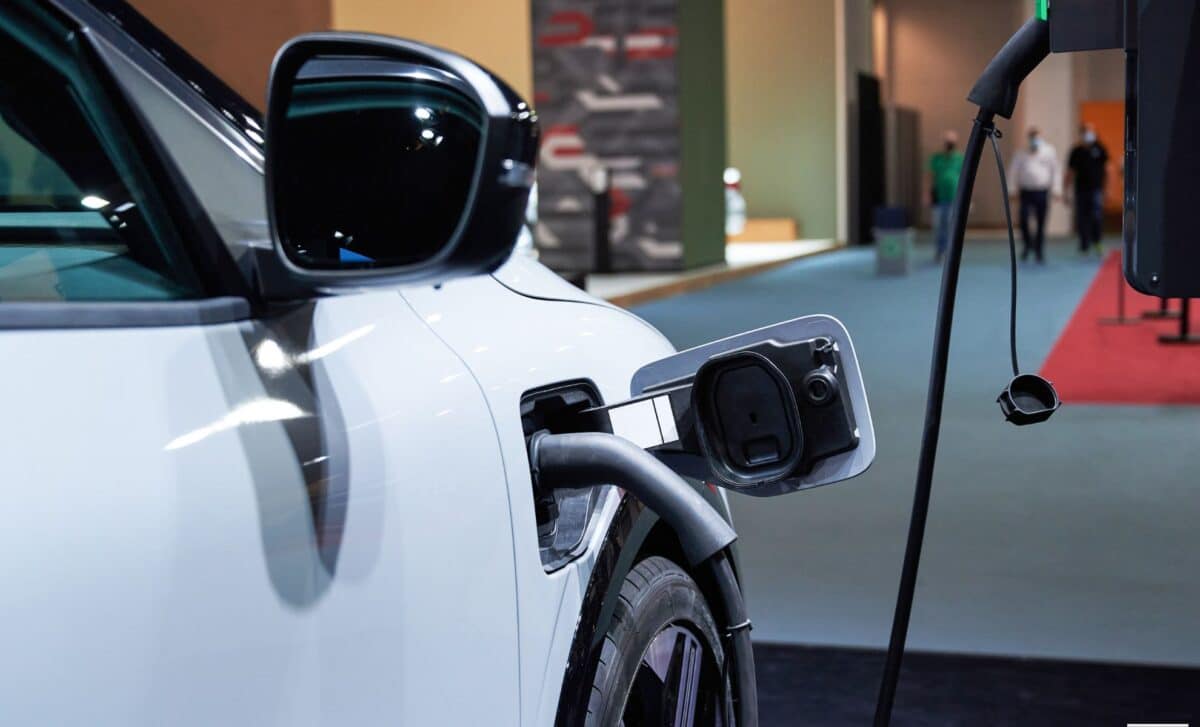
Maynard also questioned how plug-in hybrids are actually used by drivers. He noted that although these vehicles are marketed as a stepping stone toward fully electric cars, many owners do not regularly charge them.
“They’re propped as a stepping stone to electric,” he said, adding that in practice, drivers “rarely plug them in to charge them.” This behavior undermines the intended efficiency benefits of the technology, as the vehicles may end up relying heavily on their internal combustion engines.
His comments suggest that the theoretical advantages of plug-in hybrids do not always translate into real-world outcomes, particularly when user habits are taken into account.
EV Advancements Making PHEVs “Irrelevant”
The rapid progress of electric vehicles is another factor behind Maynard’s stance. He pointed to the growing availability of EVs capable of exceeding 500 kilometers of range on a single charge, along with improvements in performance and cost of ownership.
He argued that modern EVs are now “easy to own and more economical to run than petrol,” reducing the need for transitional technologies like plug-in hybrids. In his words, PHEVs are “fast becoming irrelevant.”
While acknowledging that better fuel efficiency is preferable to worse, he maintained that the role of plug-in hybrids has largely run its course. His remarks reflect a clear position: for consumers seeking lower fuel costs and emissions, fully electric vehicles are now the more coherent option.
The discussion continues across the industry, but statements like these underline a shift in how some automakers view the future of hybrid technology.