
All cars, old or new, need routine service to remain dependable. But maintenance schedules are not identical across brands: Honda generally recommends brake fluid replacement at 45,000 and 90,0000 miles, while Ford says brake fluid changes every three years are mandatory for the F-150.
Driving conditions also matter. Regular towing of trailers and heavy loads falls under the “severe driving” category, which can affect oil-change intervals and require closer attention to the cooling system, tires, and suspension. Put simply, a well-maintained 100,000-mile car is not the same as one that missed key services.
Ignition And Timing Parts Can Become A Major 100,000-Mile Issue
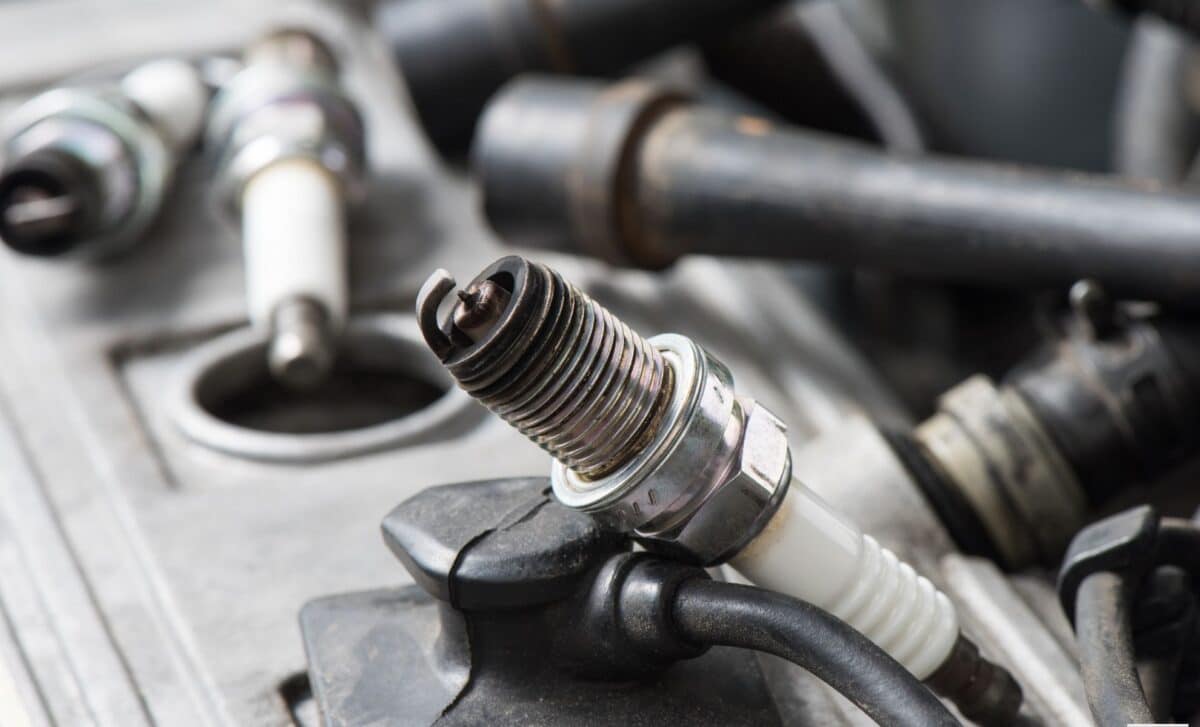
Spark plugs are among the first parts to check. According to Jalopnik, Honda recommends replacing them every 30,000 miles under normal and severe operating conditions, meaning a car could have gone through three sets by 100,000 miles. Ford, by contrast, recommends replacing plugs every 60,000 miles, so some vehicles may not need them again until around the six-digit mark.
Kelley Blue Book recommends copper spark plugs at 25,000 to 30,000 miles, while platinum and iridium plugs can last 60,000 to 100,000 miles. Warning signs include poor fuel economy, rough idling, hard starts, and engine misfires.
Spark plugs are not interchangeable in a casual way. They come in different types and heat ranges, and using the wrong kind can damage an engine. The owner’s manual should specify whether the engine needs iridium or platinum plugs. Ignition coils should also be checked, since they power the plugs and often show similar symptoms when failing. They are usually durable, but they typically need replacement between 80,000 and 100,000 miles, or when diagnosed as faulty.
The timing belt is another high-stakes item. Some manufacturers recommend replacing it between 60,000 and 100,000 miles, while others do not. Not every engine has one, since some use timing chains. But if a timing belt breaks while driving, especially in an interference-type engine, the engine can fall out of sync and suffer bent valves, broken pistons, and cylinder-head damage.
Replacing a timing belt often means replacing nearby components at the same time, including tensioner bearings, idler pulleys, gaskets, and seals. Timing belt kits usually cost about $100 to $350, while complete kits can cost $500 to $1,500. Labor averages $400 to $1,000.
Cooling And Braking Systems Need Close Inspection, Not Just A Quick Look
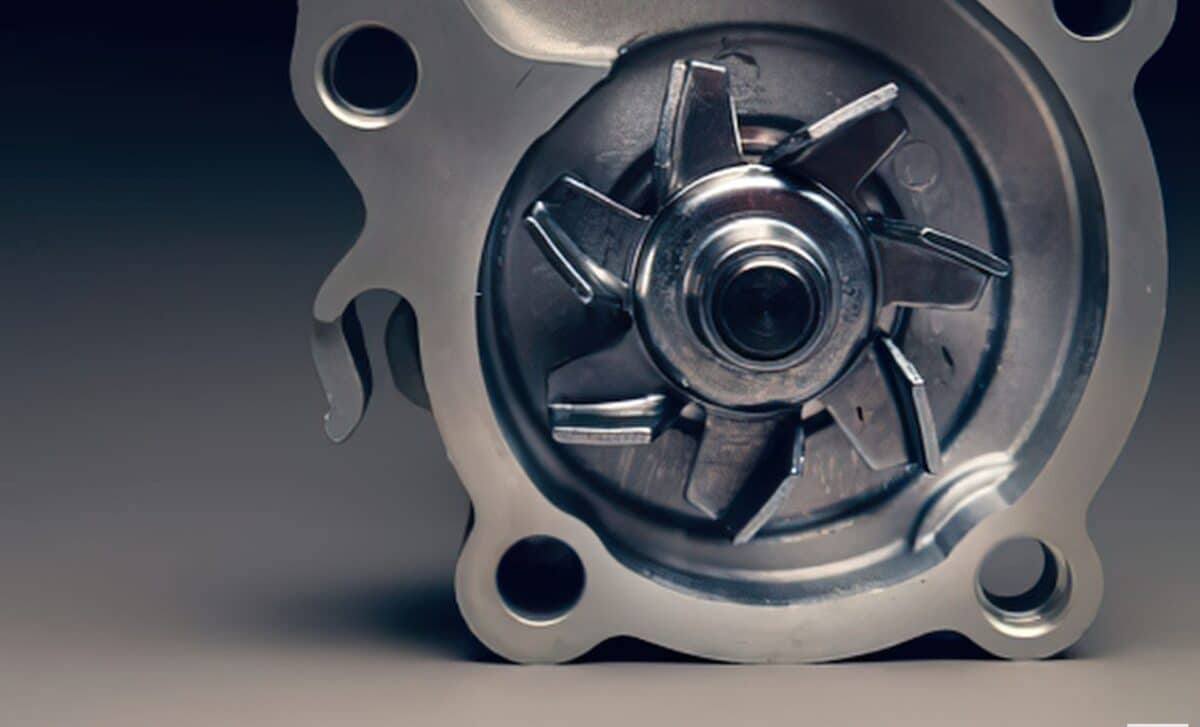
The water pump is commonly addressed during timing belt service. On older cars, water pumps typically last 60,000 to 100,000 miles, while newer vehicles may go beyond 100,000 miles. Since the timing belt drives the water pump on many engines, replacing one without the other can mean paying for the same teardown twice later.
A dealer water-pump replacement often costs $900 or more in parts and labor, while the part alone is usually $200 to $400. A failing pump may make squealing or grinding noises. Coolant inspection and flushing help protect it from rust buildup and extend service life. Manufacturers often call for coolant changes every 50,000 to 100,000 miles, or every three to five years, so a new water pump is often paired with fresh coolant.
The radiator also deserves attention at 100,000 miles. It works with the radiator fans to cool hot coolant before sending it back through the engine. A quality radiator can last 8 to 12 years, but it may clog, fail, or develop rust earlier if coolant changes are neglected. Even when it appears fine from the outside, closer inspection can determine whether replacement is needed.
Radiator hoses are part of the same check. Rubber hoses can crack, fail, or burst after years of heat and pressure. Kelley Blue Book outlines 60,000 miles, or a car that is four years old, as an ideal time for hose replacement. Many owners replace the radiator and hoses together as a preventive measure. Silicone hoses can be considered for longer service life.
Brake fluid is another fluid that should not be ignored. Depending on vehicle type and driving conditions, it should be flushed every two to three years or every 40,000 to 45,000 miles. Brake fluid is hygroscopic, meaning it attracts water, and it does not stay fresh long after the bottle is opened. Glycol-based brake fluids should not be spilled on painted surfaces.
A quick check can reveal problems. Fresh brake fluid should look slightly clear, bluish, greenish, or mildly orange. Dark or murky fluid signals contamination and should be flushed. A soft or spongy brake pedal may also point to the need for a brake fluid change.
Suspension And Transmission Service Shape How The Car Drives
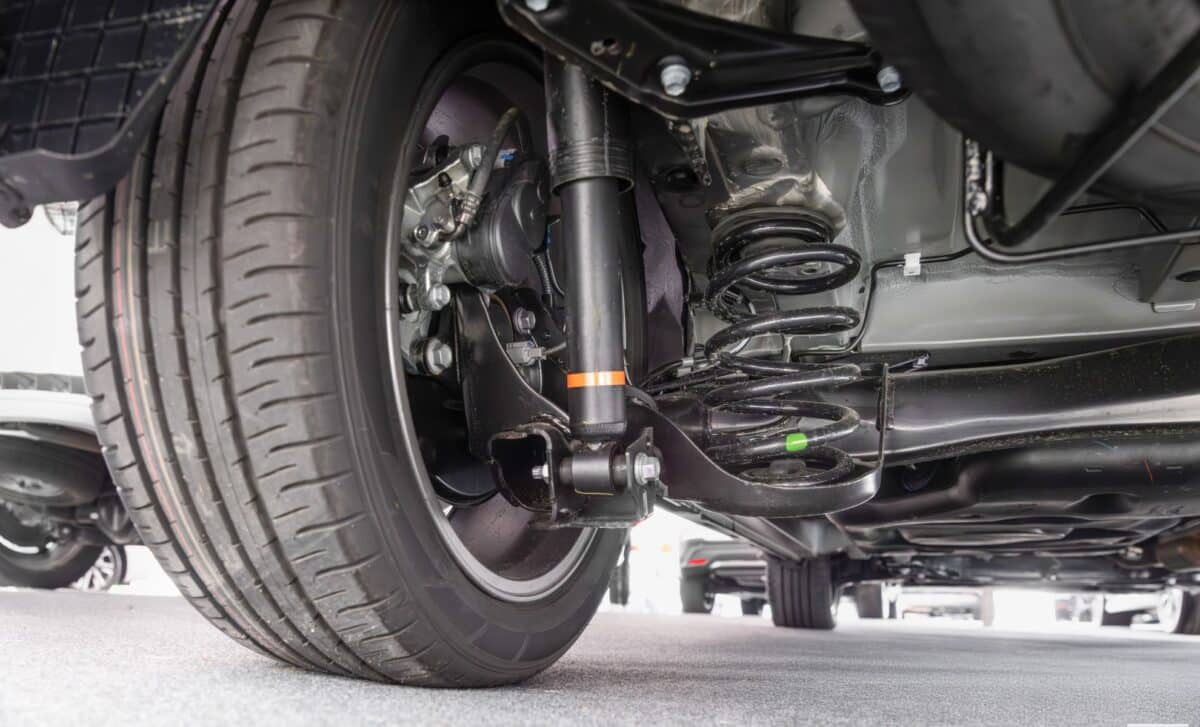
Dampers, shocks, and struts affect how the car feels on the road. Shock absorbers smooth bumps and help keep tires aligned with the road surface. They can be gas or hydraulic, depending on the vehicle. They are generally durable and can last 50,000 to 100,000 miles, making the 100,000-mile service a sensible time to inspect them.
Signs of worn shocks include fluid leaks around the shock body, a bumpy ride, overly stiff steering feel, and uneven tire wear. Shocks and struts are often discussed together, but they are not the same part. A shock absorber, or damper, controls suspension movement as an individual component. A strut combines the damping unit with a housing that provides structural support.
Replacing shocks and struts typically costs $450 to $1,100 on average. Labor is usually $150 to $300 per assembly, whether the job involves two or four assemblies.
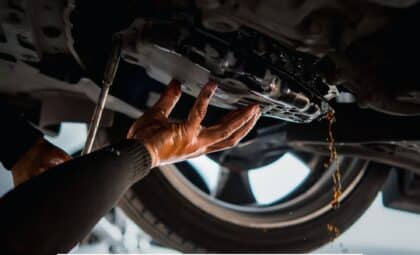
Automatic transmission fluid, or ATF, is also part of the 100,000-mile discussion. It does not need replacement every 5,000 miles like some engine-oil schedules, but it should generally not go beyond 30,000 to 60,000 miles, or two to five years, before replacement. The owner’s manual should guide the interval, and the fluid condition should be inspected at 100,000 miles.
Transmission fluid is described in the source as the “lifeblood” of the transmission. Old, degraded, or contaminated fluid can increase abrasion, cause overheating, and contribute to poor shifting and premature clutch wear. The right fluid type matters: ATF and continuously variable transmission fluid are not the same. ATF is often dyed red, while CVT fluids may be green or yellow.
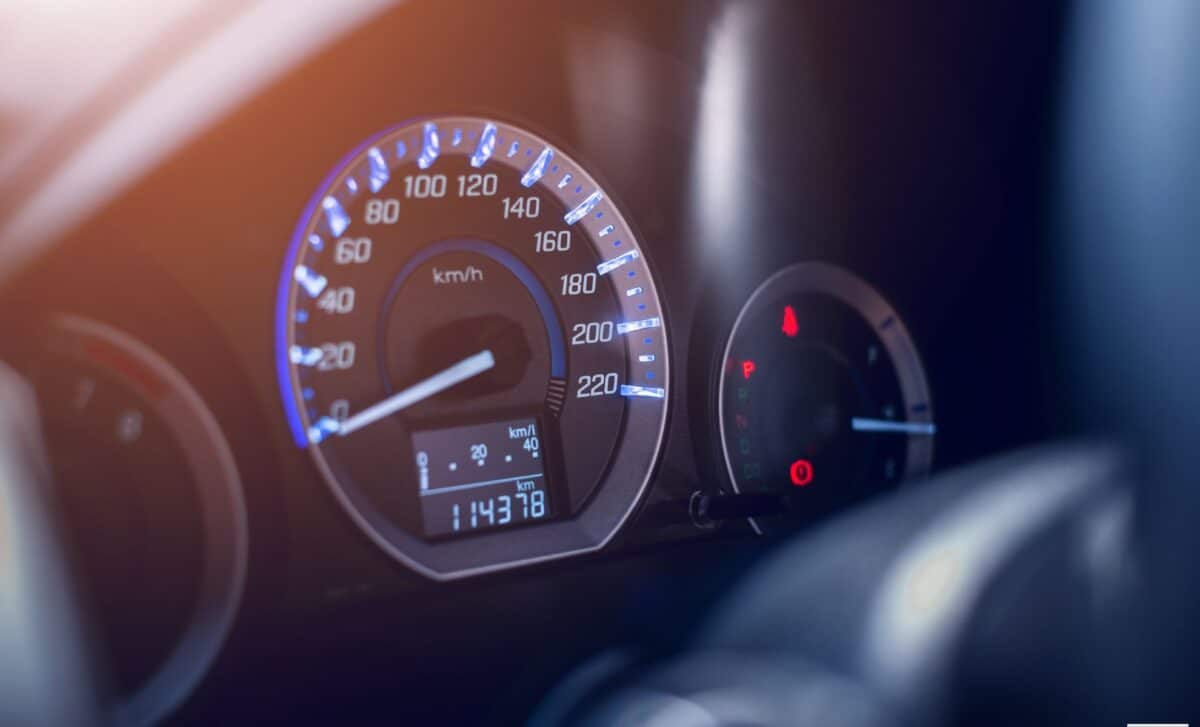
At 100,000 miles, the main question is not only what has worn out. It is also what was serviced on time before the odometer reached that point. A car that followed its owner’s manual may need targeted work; one that missed scheduled maintenance may need much more.