

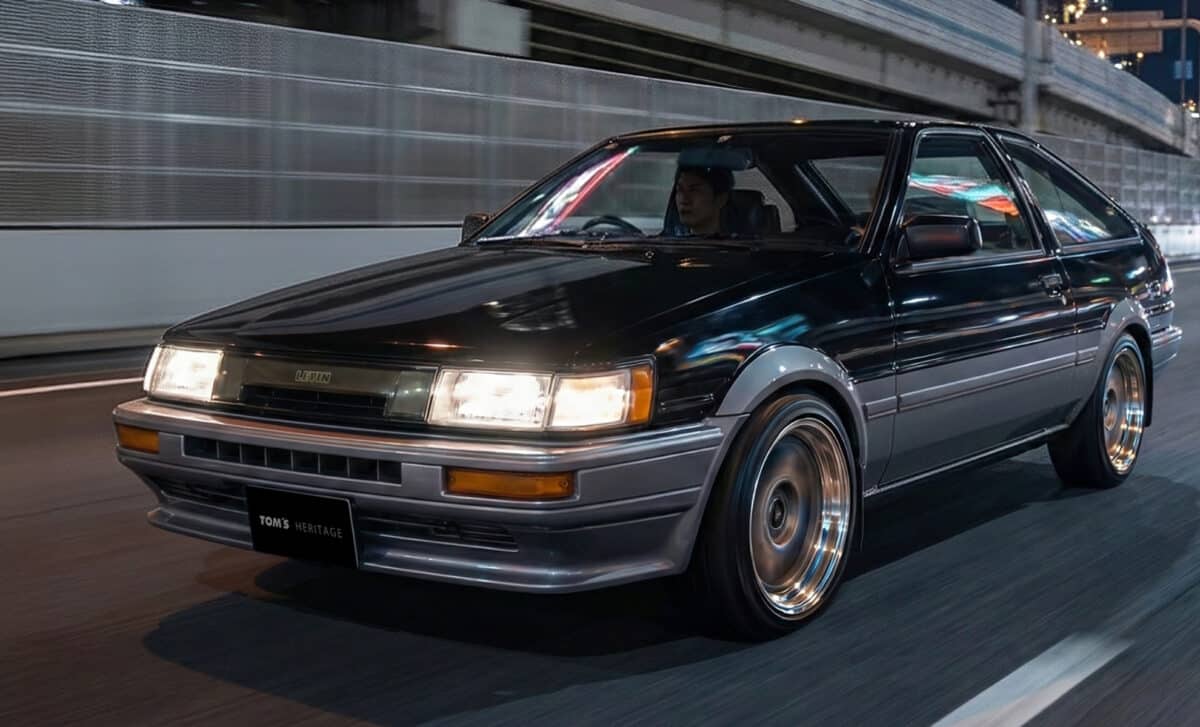
The AE86 has long occupied a unique place in automotive culture, shaped by its presence in manga, video games, and grassroots motorsport. Known for its lightweight rear-wheel-drive layout and balanced handling, it became a symbol of pure driving enjoyment. Its reappearance today signals more than nostalgia, it reflects a growing interest in preserving and modernizing classic performance cars.
This initiative is driven by TOM’S, a company closely associated with Toyota since 1974 and recognized for its involvement in Super GT and Super Formula. Rather than restoring existing vehicles, the tuner has undertaken a complete reconstruction process, aiming to deliver a version of the AE86 that feels both new and authentic to its origins.
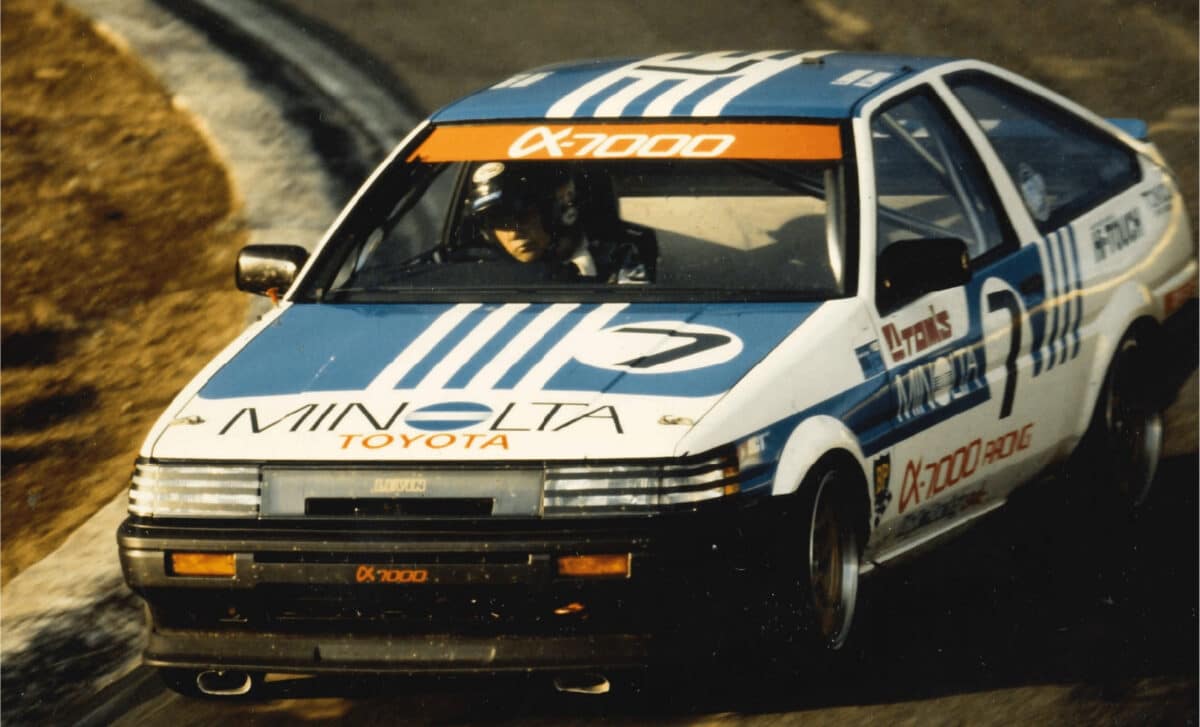
A Complete Reconstruction Rather than a Restoration
The project goes beyond traditional restoration practices. According to Automobile Magazine, TOM’S rebuilds the AE86 by creating a fully renewed monocoque structure, reinforced and rigidified using modern techniques. Each component is either restored or replaced, following what the company describes as a “reconstruction” approach.
This method results in a vehicle that is not simply refurbished but effectively re-engineered. The car retains its original design while benefiting from updated structural integrity and manufacturing precision. The process aligns with the broader restomod trend, though here it is executed with what the source describes as industrial-level rigor.
Toyota indirectly supports the initiative by reproducing certain original parts, enabling a high level of fidelity to the initial model. This collaboration helps maintain the authenticity of the AE86 while allowing for technical improvements.
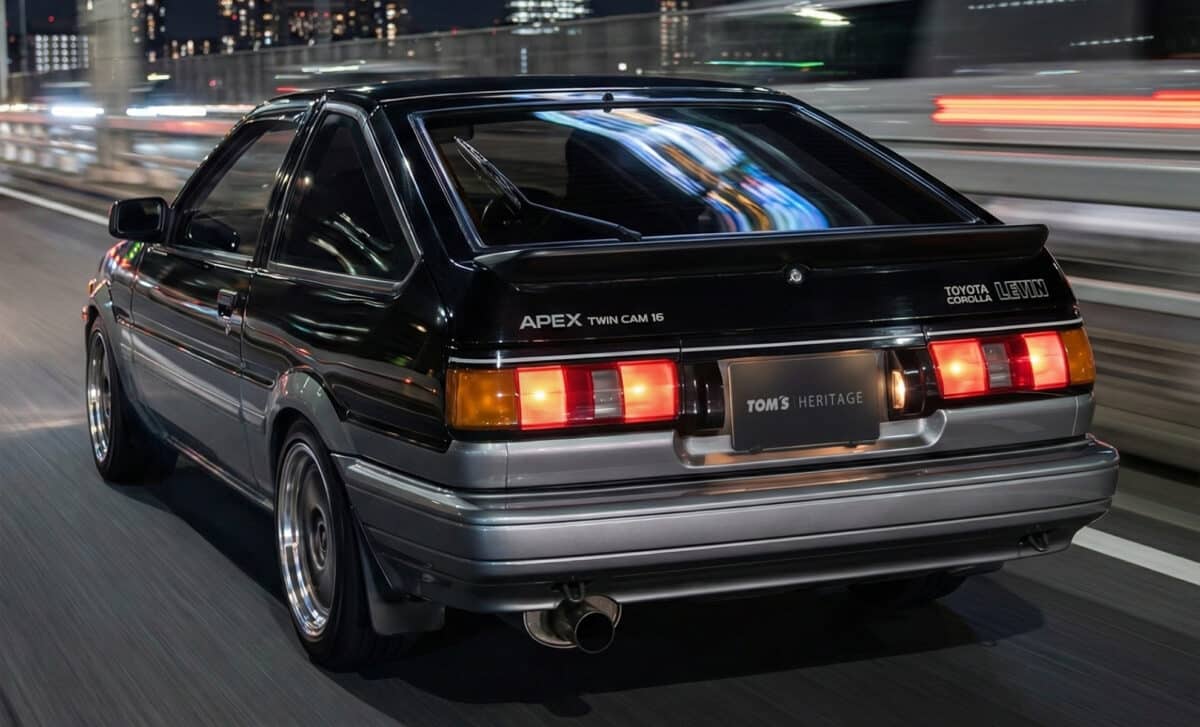
Increased Performance with a Reworked 4A-G Engine
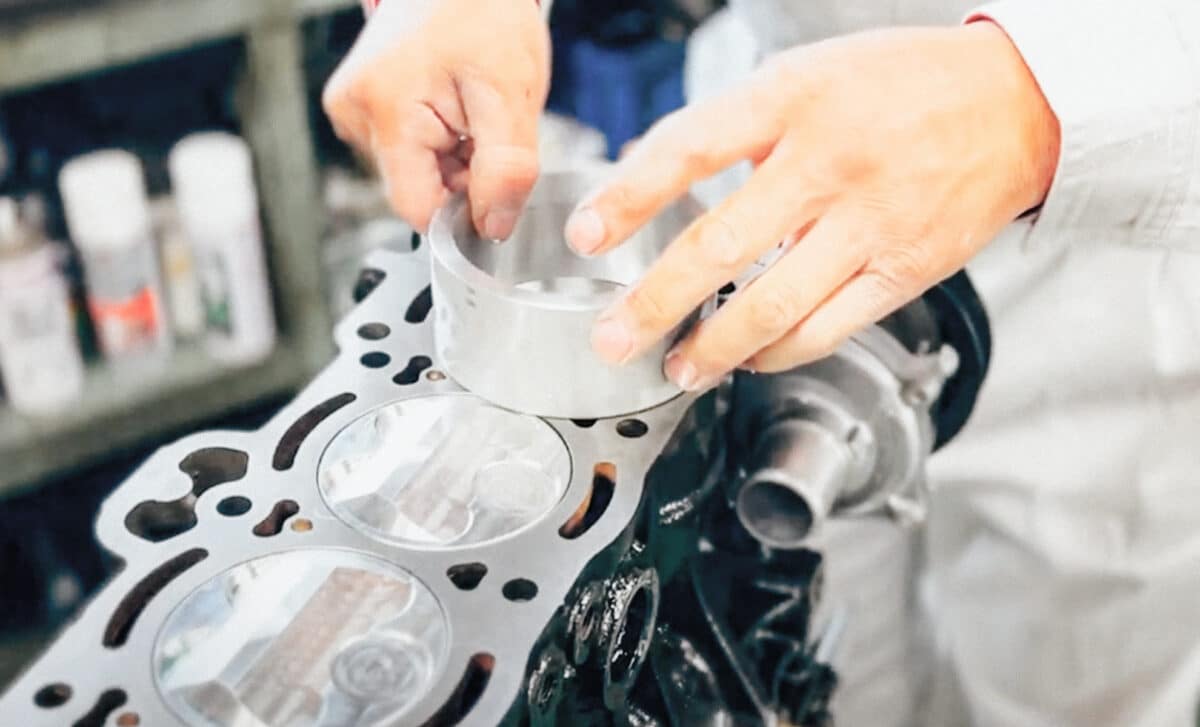
Under the hood, the AE86 features a significantly upgraded version of its original 4A-G engine. The displacement has been increased from 1,578 to 1,626 cubic centimeters through a larger bore, while the engine architecture draws from TOM’S racing developments.
The output now exceeds 190 horsepower, compared to 130 to 160 horsepower in period versions, with torque reaching 191 Nm. The vehicle maintains a weight of around 940 kilograms, preserving a favorable power-to-weight ratio aligned with modern sports cars.
The improvements extend beyond raw figures. The updated engine delivers a broader usable power range, addressing limitations often associated with older naturally aspirated units. The chassis has also been reinforced and optimized, including aerodynamic refinements beneath the car developed through digital simulation. The model retains 15-inch wheels fitted with Bridgestone Potenza RE-11RS tires, balancing period-correct aesthetics with current performance standards.
Interior Fidelity with Modernized Components and Pricing
Inside the cabin, the visual identity remains rooted in the 1980s. Seats, fabrics, and the steering wheel reflect the original design, though every element has been reworked. Materials have been updated, cushioning renewed, and finishes improved to meet contemporary expectations while preserving the car’s historical character.
Attention has also been given to less visible aspects such as assembly quality, fixings, and overall fit, bringing the vehicle closer to modern production standards. Subtle aerodynamic enhancements are integrated under the bodywork, contributing to stability without altering the exterior appearance.
The pricing reflects the scale of the project. A fully reconstructed AE86 by TOM’S is listed at around 16.5 million yen, approximately $590,000, while a rebuild based on an existing car is priced at 13.2 million yen, or about $475,000. These figures place the model in the same range as modern sports cars such as the GR Yaris, though the comparison remains limited given the AE86’s heritage focus.
Through this reconstruction, TOM’S reintroduces a significant piece of Japanese automotive culture, offering a version of the AE86 that can be experienced as if newly produced, while staying true to its original identity.