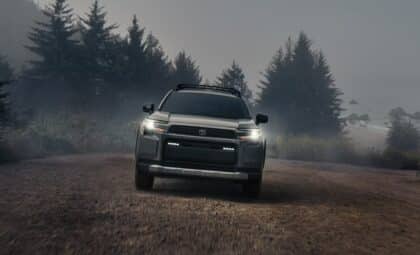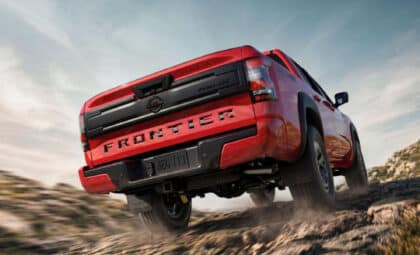

The disclosures follow the introduction of U.S.-manufactured vehicles into Japan under a trade agreement signed last year by U.S. President Donald Trump. While the vehicles remain fully functional, the automakers acknowledge that buyers may encounter cosmetic imperfections that are less common on cars intended specifically for the Japanese market.
Japanese consumers are accustomed to strict quality standards on new vehicles. For that reason, both Toyota and Nissan have issued detailed notices outlining differences between U.S.-built models and vehicles produced for domestic sale in Japan.
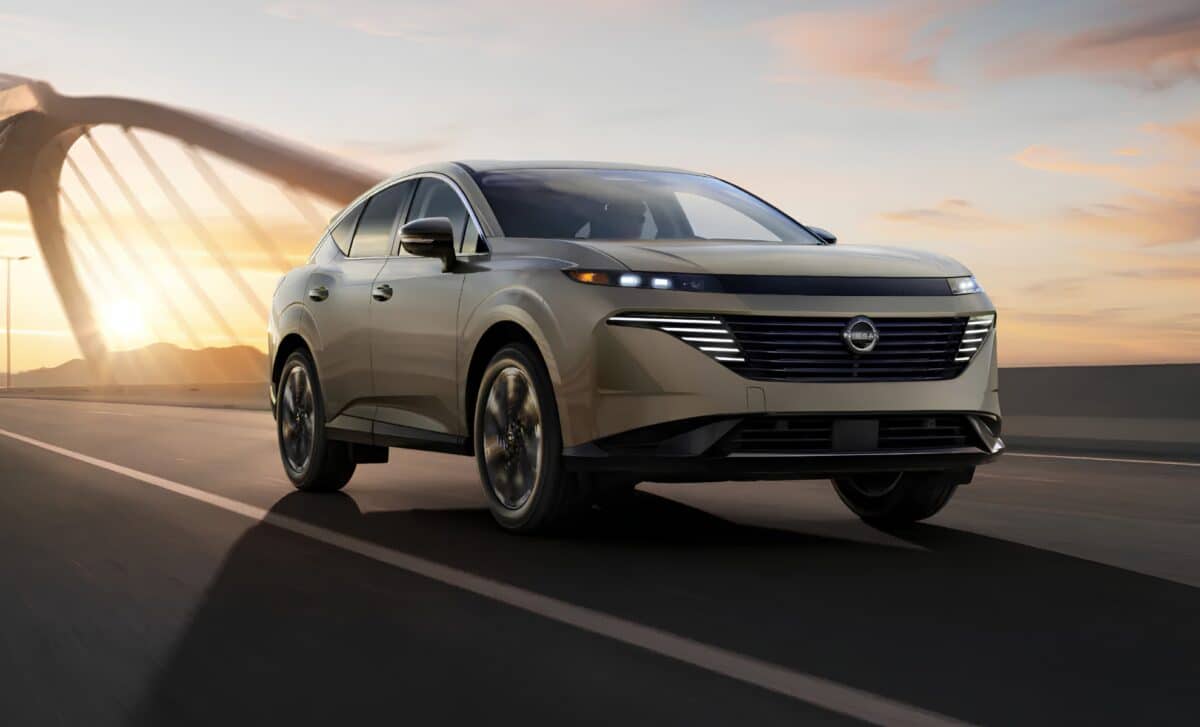
Nissan Details Potential Cosmetic Imperfections on the Murano
Nissan includes a notice with the U.S.-built Murano explaining that the vehicle “is manufactured to specifications intended for overseas markets and differs in quality standards applied to vehicles destined for the Japanese domestic market.”
The notice states that customers may find dust particles in the paint, traces of sealant residue, or uneven and misaligned panels and gaps. Nissan also emphasizes that these differences do not affect the vehicle’s operation.
As quoted by Motor1, the company tells customers: “These differences do not affect the vehicle’s functionality or performance, so you may use it with confidence.”
The automaker also warns that some features may not function in Japan or have not been homologated for the market. The Murano’s instrument cluster and infotainment system, for example, are available only in English, Spanish, and French.
Toyota Issues Similar Warnings for the Tundra and Highlander
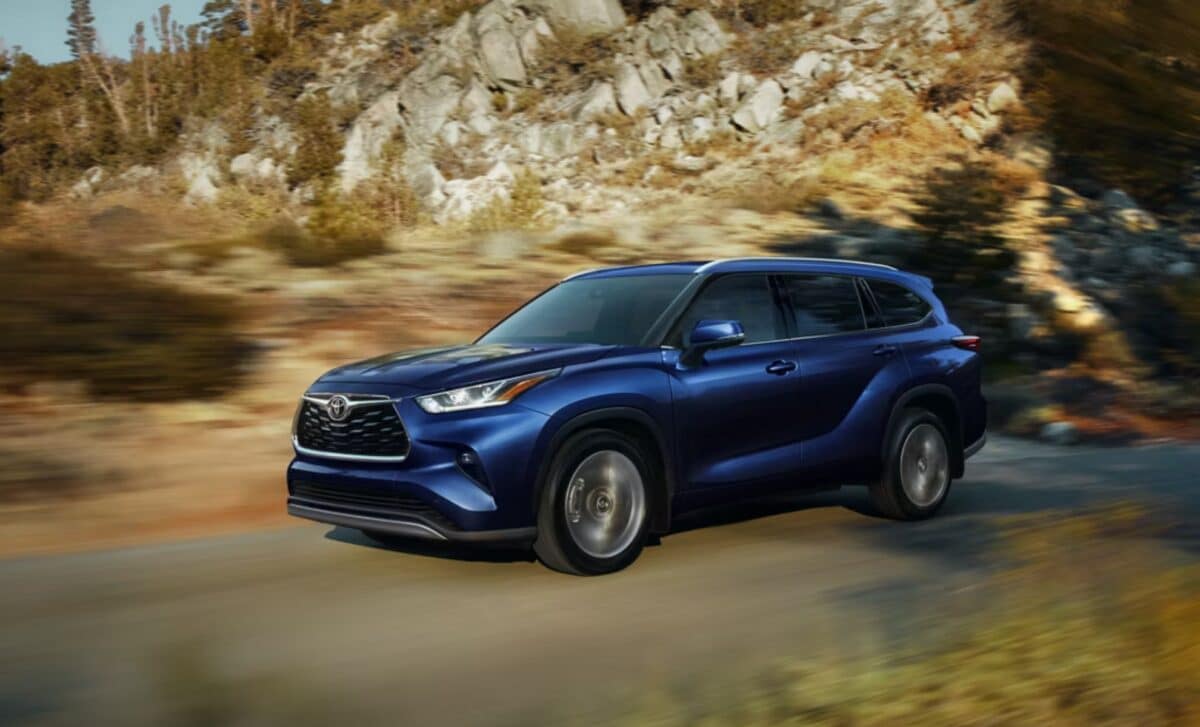
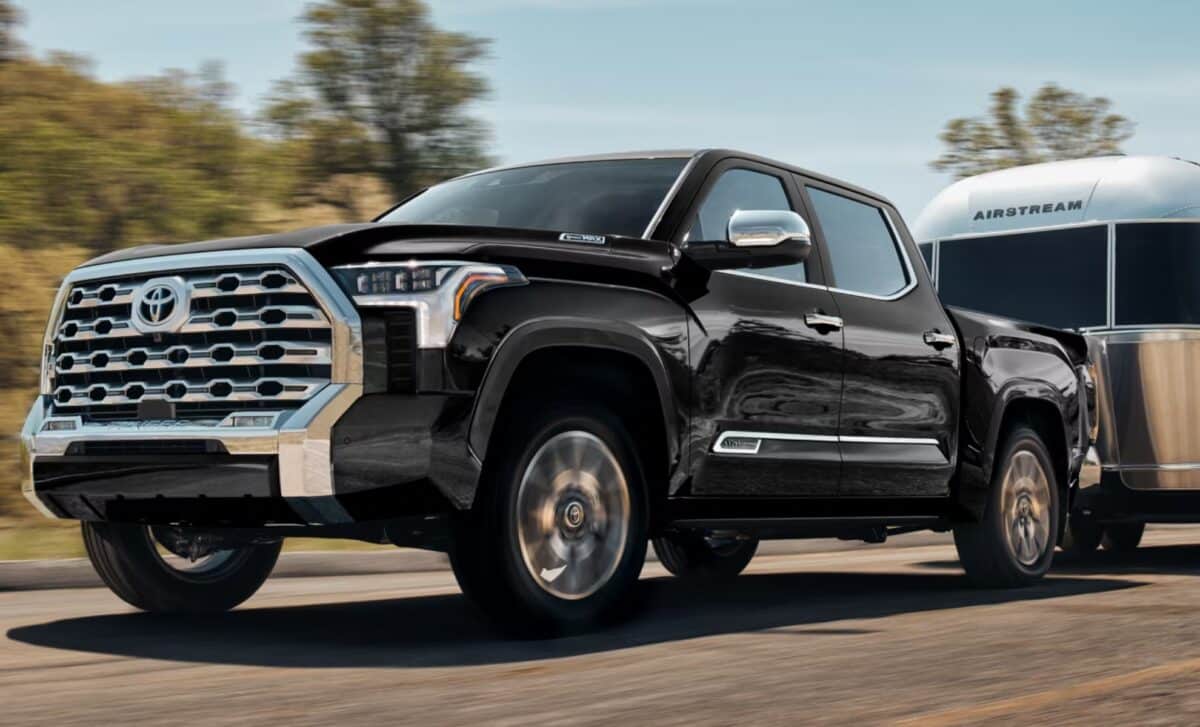
Toyota has adopted a comparable approach for the Tundra pickup and Highlander SUV imported from the United States.
Toyota advises customers that the paint finishes on these vehicles are “designed for overseas markets.” Buyers may notice thin paint, variations in color, polishing marks, and dents.
The notices are intended to clarify differences between vehicles produced for overseas markets and those built to standards applied to the Japanese domestic market.
Toyota also highlights limitations affecting certain onboard technologies. Features such as traffic sign recognition and map functions will not operate on the imported models sold in Japan.
Feature Compatibility May Be as Significant as Cosmetic Concerns
Beyond the quality notices, both manufacturers inform customers that some vehicle systems are not fully adapted to Japanese requirements.
Nissan specifically notes limitations involving the Murano’s displays and language support, while Toyota identifies restrictions affecting navigation and traffic sign recognition functions.
It remains unclear whether the cosmetic issues described in the notices will be a major concern for Japanese buyers interested in these U.S.-built vehicles. The absence of certain country-specific features could also influence purchasing decisions.