Unusual noises under the hood, warm air coming through the vents, strange smells inside the cabin, and rising fuel consumption can all indicate that the compressor is deteriorating. Repair costs can quickly become significant if the problem is ignored. For many drivers, the first symptom appears when the air conditioning no longer blows consistently cold air.
In some cases, the system may simply need a refrigerant recharge, which generally costs around $250. Compressor replacement is far more expensive, with repair bills commonly ranging from $750 to $1,500 depending on the vehicle. Even replacing the unit without labor can still exceed $500 in parts alone.
Strange Noises And Vibrations Can Indicate Bearing Failure
An AC system naturally wears over time, especially during periods of heavy use. Internal compressor components such as bearings and shafts can gradually deteriorate, leading to vibrations and unusual sounds from the engine bay. AC compressors usually provide several visible or audible signs before they fail completely, giving drivers time to identify the issue before the peak of summer heat arrives.
Squealing noises and metallic grinding are among the most common warning signs linked to compressor problems, according to Jalopnik. These sounds often appear when compressor bearings become worn or begin to seize. If the bearing locks completely, the drive belt may no longer rotate properly, producing a sharp squealing sound under the hood.
Not every vibration or noise automatically points to compressor failure, since multiple engine components can create similar symptoms. Still, when grinding or squealing is combined with poor cooling performance or unusual smells, the likelihood of compressor damage increases considerably.
Weak Cooling And Burning Smells May Signal Deeper AC Issues
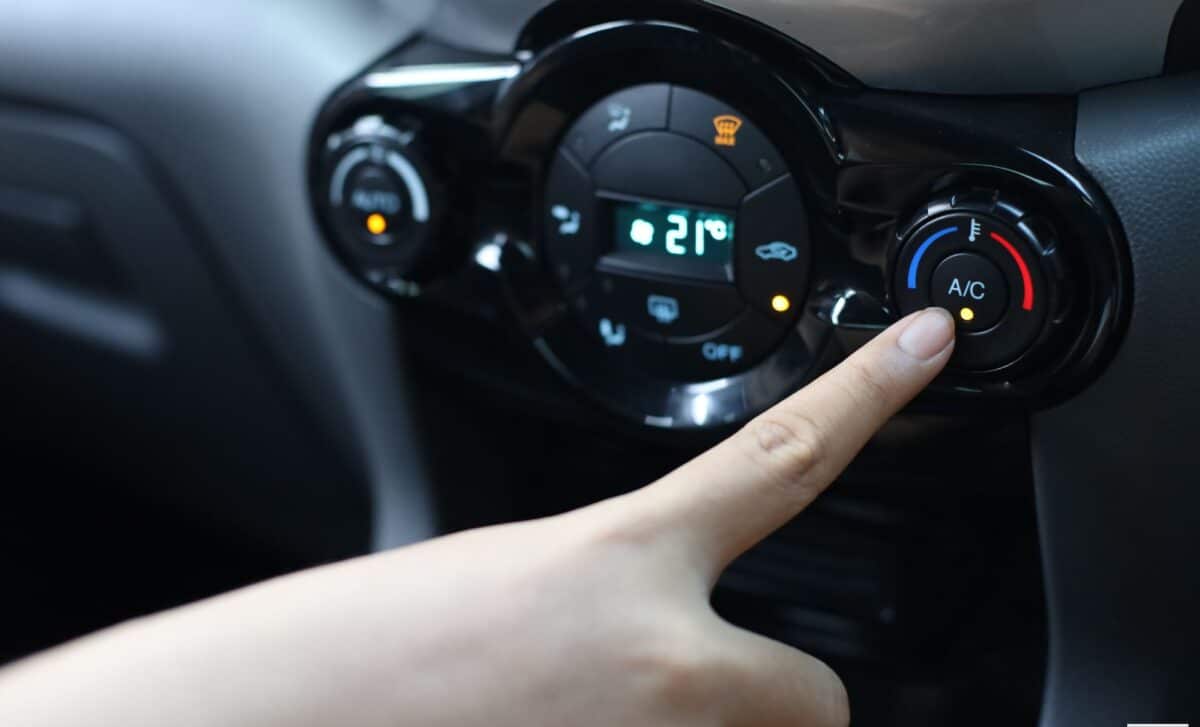
A functioning air conditioning system should maintain a steady flow of cold air. When warm air starts blowing through the vents, the system may have lost refrigerant pressure or developed internal compressor problems.
Some odors inside the cabin can also help identify the source of the issue. Musty smells are generally linked to mold or mildew within the HVAC system rather than compressor failure. Burning smells are more concerning and may indicate compressor-related damage.
Several causes can produce this odor, including an electrical short, a slipping rubber belt, or oil leaking onto hot engine components. In these situations, the smell can travel into the cabin through the ventilation system.
Sweet or chemical-like smells point toward a different problem entirely. These odors can indicate an antifreeze leak somewhere in the vehicle’s cooling system. Low antifreeze levels can eventually contribute to overheating and head gasket failure if the leak is left unresolved.

Fuel Economy And Visible Leaks Can Reveal Compressor Damage
A failing compressor can also increase fuel consumption. Since the compressor operates using engine power, a damaged or inefficient unit forces the engine to work harder to cool the cabin.
With gasoline prices reaching $4 per gallon in March 2026, even a moderate drop in fuel efficiency can become noticeable during daily driving. Refrigerant leaks and declining compressor performance both place additional strain on the system, increasing the workload on the engine.
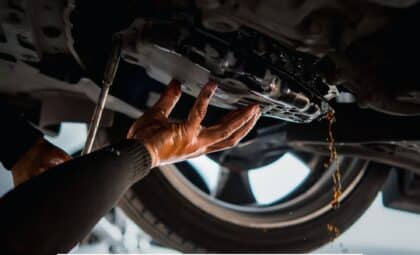
Physical inspection can sometimes reveal visible signs of damage as well. Corrosion, oily buildup, or dried residue on the compressor housing may indicate refrigerant or oil leaks. These leaks can reduce lubrication inside the compressor and accelerate internal wear.
Compressor failure rarely appears through a single symptom. In many cases, drivers experience several warning signs at the same time, including reduced cooling performance, unusual noises, burning smells, and worsening fuel economy. Catching these problems early can help prevent a complete AC system failure during the hottest months of the year.