
Dust, dirt, and various impurities naturally accumulate inside a vehicle over time. Without regular care, plastic surfaces can lose their shine and make the cabin appear untidy.
The restoration process begins with thorough dust removal, followed by gentle cleaning methods and a final step designed to enhance the plastics’ appearance. The publication also emphasizes the importance of regular maintenance to preserve both cleanliness and durability.
Removing Dust Before Any Cleaning
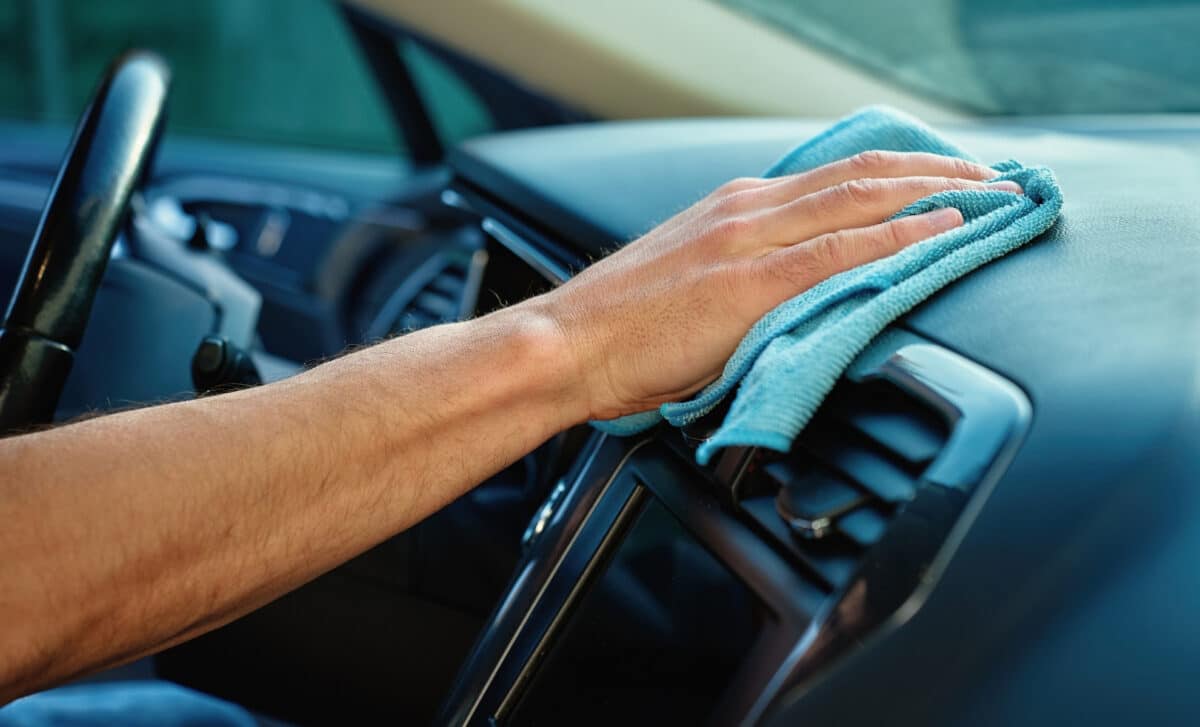
Before washing plastic surfaces, accumulated dust should be removed carefully. Two methods are recommended: using a slightly damp microfiber cloth or a duster to eliminate surface dust.
For hard-to-reach areas, such as small air vents and inaccessible corners, a cotton swab can be used. When dirt buildup is heavier a vacuum cleaner can help remove larger accumulations of dust and embedded debris before finishing the job with a microfiber cloth.
Vacuuming is particularly effective for removing substantial dirt deposits, while the microfiber cloth provides a streak-free finish. Regular cleaning routines help prevent excessive buildup and contribute to the longevity of plastic surfaces.
Cleaning Plastic Surfaces Without Damaging Them
Once dust has been removed, the next step is washing the plastics while avoiding products that may cause long-term damage. According to Auto Journal, limiting the use of chemical cleaners is recommended because natural alternatives are generally sufficient.
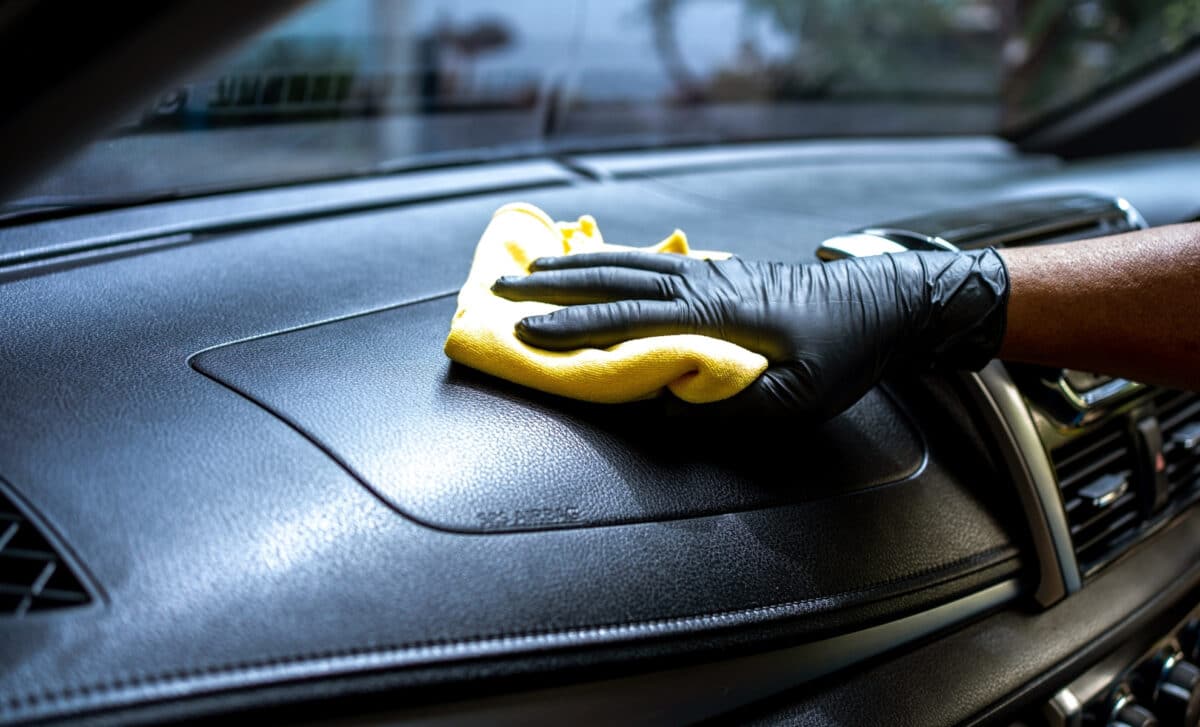
Black soap is presented as an effective solution. A sponge soaked in a mixture of hot water and black soap can be used to scrub plastic surfaces. After cleaning, the surfaces should be rinsed with clean water and dried with a clean cloth. If black soap is unavailable, soapy water can also be used safely on interior plastics.
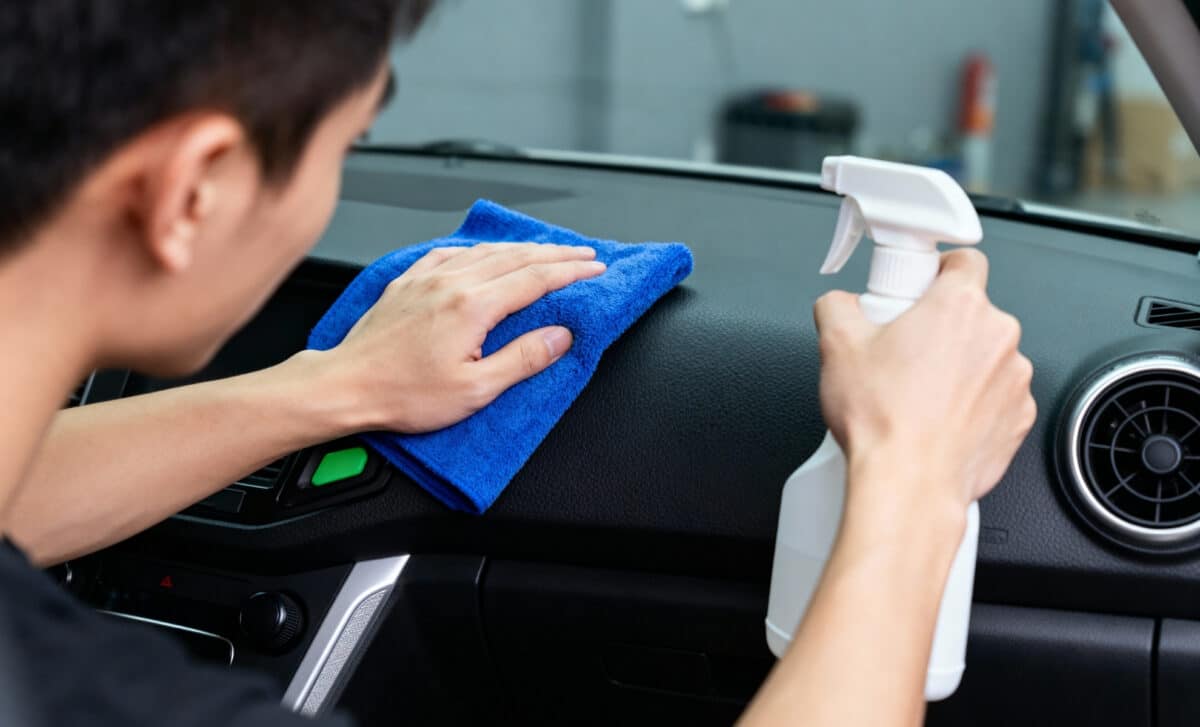
For more delicate surfaces or stubborn stains, the source recommends diluted white vinegar. This mixture remains gentle on plastics while offering natural disinfecting properties. White vinegar can help eliminate unpleasant odors. The suggested method consists of spraying the solution onto the surface, allowing it to sit for a few minutes, and then wiping it away with a microfiber cloth.
To add extra shine, a few drops of olive oil can be applied to a soft cloth and lightly polished onto the plastic surface. This can restore brightness while helping protect the material from future dust accumulation.
Restoring Shine and Maintaining Results Over Time
As a final step, two options are suggested for improving the appearance of plastic surfaces: fabric softener or olive oil. In both cases, a few drops should be applied to a microfiber cloth before gently rubbing the plastic using circular motions.
The effect is immediate, allowing plastics to regain their shine. Direct sunlight should be avoided during application so that the products do not dry too quickly.
Regular maintenance remains part of the process. Plastic surfaces should be dusted at least once a week and cleaned more thoroughly once a month. This routine helps prevent dirt accumulation and makes future cleaning easier. These habits help keep plastics shiny while protecting them from wear and premature aging.
Before applying any product broadly, it is recommended to test it on a small, discreet area to avoid any unwanted reaction.