

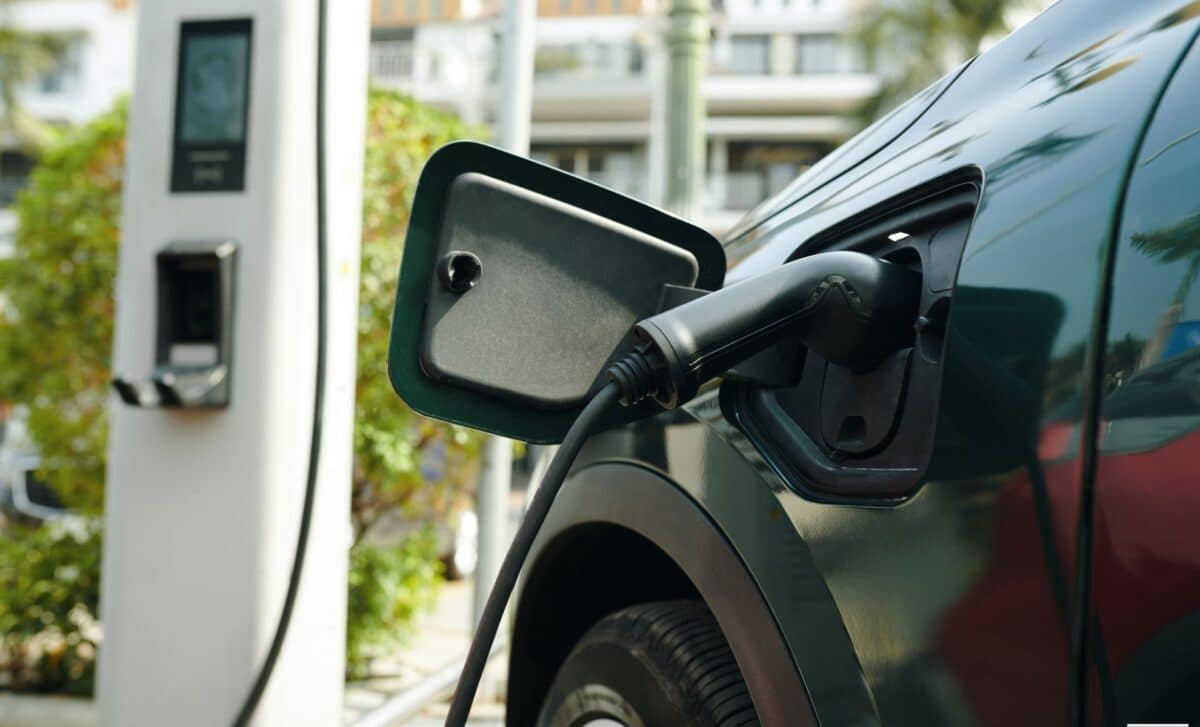
The proposal arrives at a time when high fuel prices continue to affect American drivers amid ongoing instability in the Middle East. As gasoline costs remain elevated, electric and plug-in hybrid vehicles have become more attractive to some consumers looking to reduce fuel expenses, though the proposed fees could narrow part of those savings.
The Build America 250 Act was introduced by Missouri Republican Representative Sam Graves, who chairs the House Transportation and Infrastructure Committee. Washington Democratic Representative Rick Larsen has also expressed support for the bill, making it one of the few bipartisan transportation efforts currently under discussion in Congress.
Proposed Fees Would Apply To EVs And Plug-in Hybrids
Under the proposal, fully electric vehicles would be charged a new annual federal fee of $135, while plug-in hybrid vehicles would face a yearly fee of $35. The measure also includes automatic yearly increases of $5 until the fees reach a maximum of $150 for EVs and $50 for plug-in hybrids.
The federal fees would be collected in addition to charges already imposed by several states on electric vehicle owners to help fund road maintenance and infrastructure projects. Revenue generated through the new federal program would be directed to the U.S. Department of Transportation’s Highway Trust Fund, which distributes money to states for highway and transit systems.
According to MotorTrend, supporters of the measure describe the fees as a way for EV and plug-in hybrid owners to contribute to transportation funding in place of the federal gasoline tax, which these vehicles either avoid entirely or pay at lower levels due to reduced fuel consumption.

Highway Funding Concerns Are Driving The Proposal
The proposed legislation is intended to replace the current federal highway funding measure, which is set to expire in September. Lawmakers backing the bill argue that growing EV and plug-in hybrid sales are contributing to declining federal fuel tax revenues.
Representative Sam Graves stated that the proposed fees would generate more than $38 billion over a ten-year period for the Highway Trust Fund. By comparison, the existing federal fuel tax, approximately 18 cents per gallon for gasoline and 24 cents per gallon for diesel, currently generates around $40 billion annually.
At the same time, Congress is also considering a temporary fuel tax holiday as fuel prices remain high. Such relief measures would still not fully offset the rise in gasoline prices seen since 2025.
The Bill Also Includes Transportation And Spending Changes
The Build America 250 Act extends beyond vehicle fees and includes several transportation-related funding measures. The proposal allocates $21 billion for the U.S. Coast Guard and another $12.5 billion for the Federal Aviation Administration to modernize air traffic control technology.
The legislation also proposes eliminating funding tied to several programs created under the Inflation Reduction Act. Among the programs targeted for cuts are Neighborhood Access and Equity Grants, Environmental Review Implementation Funds, Low-Carbon Transportation Materials Grants, and the FAA’s Alternative Fuel and Low-Emission Aviation Technology Program.
According to the proposal, these funding reductions would lower federal spending by approximately $4 billion. The bill is currently being reviewed by the House Budget Committee and would move to a congressional vote if approved during the next stage of the legislative process.