

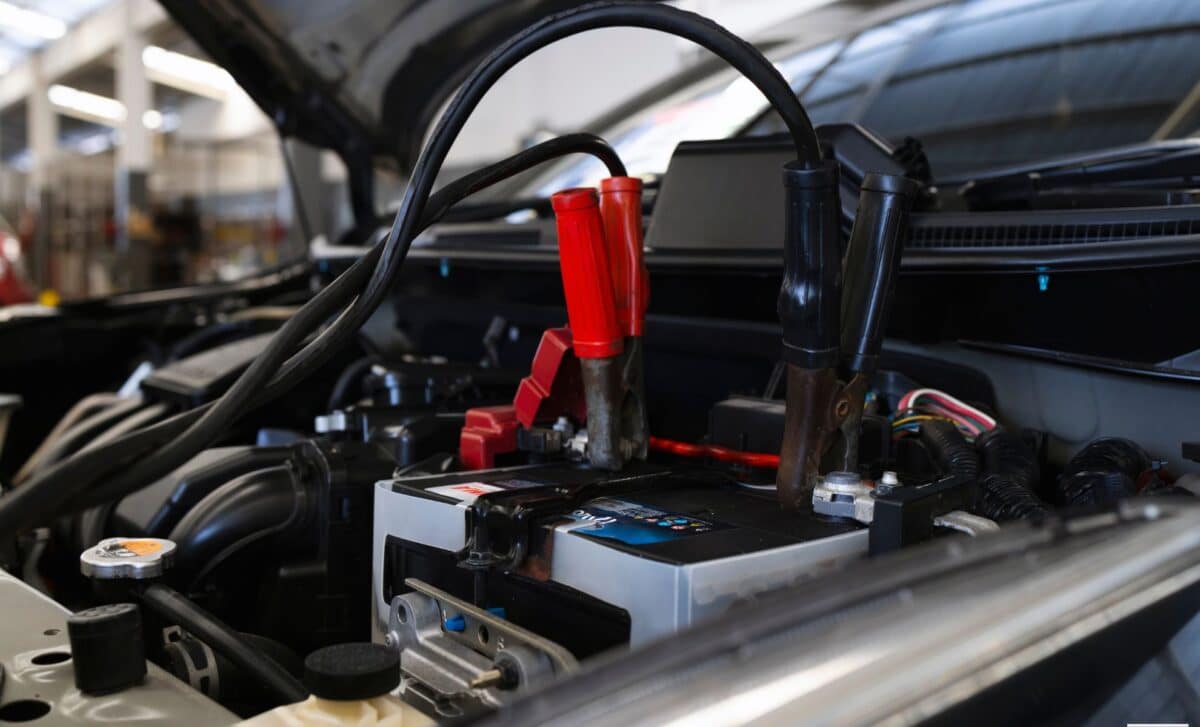
Jump-starting a vehicle is a common task for motorists, but it requires more than simply connecting a set of cables. The procedure depends on identifying the correct battery terminals, making the right connections in the proper order, and avoiding mistakes that could damage a battery or create a safety risk.
The entire operation typically takes between 10 and 15 minutes and is suitable for beginners. The publication notes that consulting the vehicle owner’s manual can save time, particularly when battery terminals are difficult to locate.
Preparing The Vehicles And Locating The Battery Terminals
The first step is to position the vehicle with the functional battery close enough to the disabled vehicle so that the jumper cables can reach between them. The two cars should be parked nose to nose, and the engine of the vehicle with the good battery should be switched off before the hoods are opened.
Once both batteries are located, drivers must identify the positive and negative terminals. These are marked with “+” and “−” symbols. The positive terminal is often covered by a plastic cap and is connected to a red cable, while the negative terminal is connected to a black cable. Jumper cable clamps are generally color-coded in the same way.
Some vehicles store their battery in the trunk while providing dedicated jump terminals under the hood. In such cases, the owner’s manual can help identify the correct connection points.

Connecting The Jumper Cables In The Correct Order
Before any connection is made, none of the jumper cable clamps should be allowed to touch one another.
The red clamp is first attached to the positive terminal of the dead battery. The red clamp at the opposite end of the cable is then connected to the positive terminal of the good battery. After that, the black clamp on the same end is attached to the negative terminal of the good battery.
The final connection differs from what some drivers may expect. Rather than attaching the remaining black clamp directly to the dead battery, it should be connected to a piece of bare, unpainted metal under the hood of the disabled vehicle, such as an exposed bolt. Car and Driver notes that connecting this clamp directly to the dead battery could create a spark and potentially ignite a fire under the hood, although it describes such an event as extremely rare.
After all connections are made, each clamp should be checked to ensure it is firmly gripping the metal surface and making good contact.
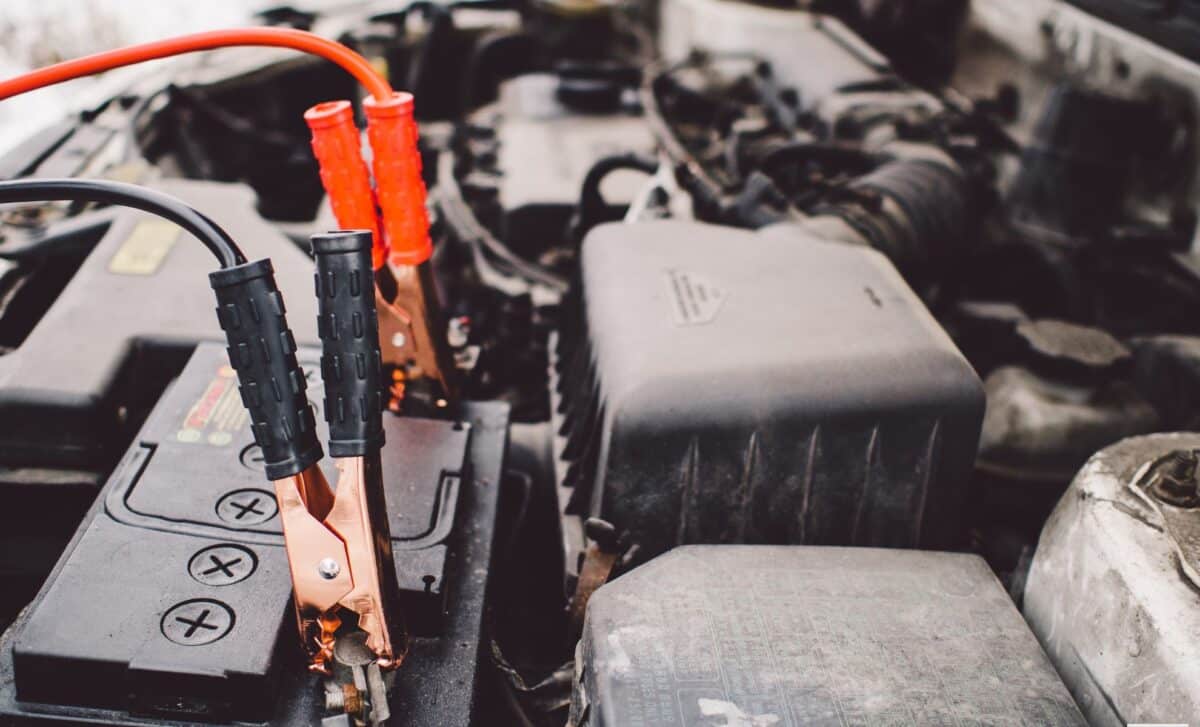
Starting The Vehicle And What To Do If The Problem Returns
Before starting either vehicle, drivers should verify that the cables are clear of moving components such as cooling fans and accessory belts.
The engine of the vehicle with the good battery should then be started and left idling for two or three minutes to allow some charge to transfer to the weak battery. An attempt can then be made to start the disabled vehicle. If the engine does not start immediately, it should be turned off while the assisting vehicle continues to idle for 10 to 15 minutes before another attempt is made.
If the vehicle still fails to start, the battery or another component may require replacement, making a jump-start ineffective.
Once the disabled vehicle starts, it should remain running while the cables are removed in reverse order. The negative clamp connected to the bare metal point is removed first, followed by the red clamp from the restarted vehicle’s positive terminal. The red clamp is then removed from the good battery, and finally the black clamp is disconnected from the good battery.
A successful jump-start may only provide a temporary fix. If the vehicle cannot restart after being driven for at least 30 minutes, the battery may be permanently dead or there may be a fault in the charging system. In that case, the vehicle should be taken to a repair shop or dealer for diagnosis. Drivers may also remove the battery and take it to an auto-parts store, where some retailers offer battery testing and replacement services.